In This Article
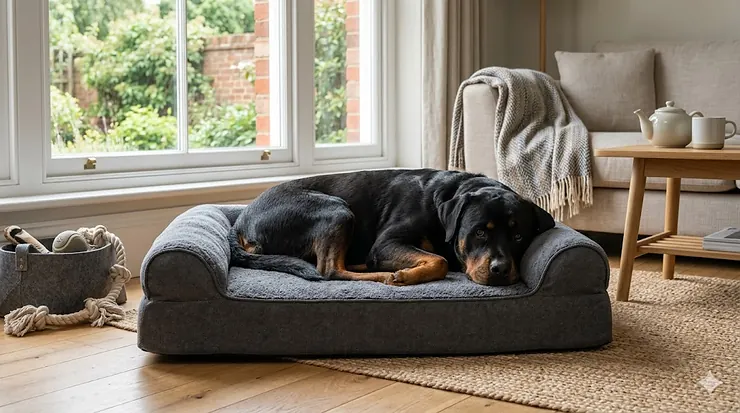
Your rottweiler’s sleeping arrangements aren’t just about comfort—they’re about joint health, longevity, and preventing the sort of hip problems that plague far too many giant breeds. When a dog that weighs anywhere from 40 to 60 kg settles down for their 14-16 hours of daily sleep, the surface beneath them either supports those vulnerable joints or slowly compounds existing issues.
The Kennel Club recognises rottweilers as a working breed with specific structural requirements, and their sleep surface plays a rather crucial role in maintaining that muscular, powerful build without the joint deterioration that often accompanies it. I’ve spent considerable time researching orthopedic support systems specifically designed for giant breeds, and the difference between a proper rottweiler bed and a standard dog cushion is rather like comparing a premium mattress to sleeping on the floor.
The British climate adds another layer of complexity—our perpetual dampness means beds need waterproof protection, whilst our typically compact homes demand space-efficient solutions that don’t compromise on size. This guide cuts through the marketing fluff to identify beds that actually address the specific needs of rottweilers in UK households, from weight capacity and joint support to washability and long-term durability. Whether you’re dealing with a young, exuberant Rottie who treats beds like chew toys or a senior dog showing early signs of hip dysplasia, the right bed makes a measurable difference to their quality of life.
Quick Comparison: Top Rottweiler Beds at a Glance
| Product | Size | Key Feature | Weight Capacity | Price Range (£) | Best For |
|---|---|---|---|---|---|
| Bedsure XXL Orthopedic | 121x76x18cm | Memory foam + bolsters | Up to 70kg | £45-£65 | Senior dogs with joint issues |
| EHEYCIGA XXL Mattress | 120x74x9cm | Egg-crate foam | Up to 60kg | £30-£45 | Crate training + versatility |
| KSIIA Extra Large Sofa Bed | 121x76x18cm | U-shape bolster | Up to 65kg | £50-£70 | Dogs who love head support |
| The Dog’s Bed Orthopedic Premium | 127x91cm | Pocket spring system | Up to 75kg | £100-£130 | Lifetime investment |
| Bedsure Large Flat Mattress | 112x81x7.6cm | Egg-crate base | Up to 55kg | £35-£50 | Active younger rottweilers |
| JOEJOY Orthopedic Bolster | 107x81x20cm | High walls + plush | Up to 60kg | £55-£75 | Dogs seeking security |
| Renvix Large Waterproof | 91x61x18cm | Four-sided bolster | Up to 50kg | £40-£55 | Smaller rottweilers |
From this comparison, you’ll notice the Bedsure XXL Orthopedic offers the best balance of supportive memory foam and spacious dimensions for larger rottweilers, whilst the budget-conscious might gravitate toward the EHEYCIGA XXL Mattress which delivers solid egg-crate support without the premium price tag. The The Dog’s Bed Orthopedic Premium, whilst pricier, uses pocket spring technology similar to human mattresses—rather worth considering if you’re planning for your Rottie’s entire lifespan and want a bed that genuinely lasts a decade.
💬 *Just one click — help others make better buying decisions too!*😊
Top 7 Rottweiler Beds: Expert Analysis
1. Bedsure XXL Orthopedic Dog Bed with Memory Foam
This bed has become something of a benchmark in the UK orthopedic dog bed market, and for good reason. The 121x76x18cm dimensions accommodate even the largest rottweilers comfortably, whilst the dual-layer memory foam system provides the sort of pressure relief that makes a visible difference to dogs with early-stage hip dysplasia.
The U-shaped bolster design serves a practical purpose beyond aesthetics—rottweilers often rest their considerable heads on elevated surfaces, and this bolster stays plump rather than flattening after a few months. The egg-crate foam base distributes weight evenly, which matters enormously when you’re supporting 50-60 kg of dog. What most UK buyers particularly appreciate is the waterproof inner liner; in our damp climate, accidents, drool, and wet coats after rainy walks are inevitable, and this protection extends the bed’s lifespan considerably.
The removable cover is machine-washable and OEKO-TEX certified, meaning it’s been tested against over 1,000 potentially harmful chemicals—rather important when your dog spends half their life on it. UK customers report the bed arrives vacuum-packed and takes 24-48 hours to fully expand, though many dogs claim it immediately regardless.
Customer Feedback: Multiple UK reviewers with rottweilers specifically mention improved mobility in senior dogs within 1-2 weeks. One Birmingham owner noted her 9-year-old Rottie, who’d been struggling with stairs, showed noticeably less stiffness after transitioning to this bed.
Pros:
✅ Memory foam provides superior joint support compared to standard polyester fill
✅ Waterproof liner protects against accidents and British weather
✅ Non-slip base prevents shifting on laminate or tile floors
Cons:
❌ Takes 24-48 hours to fully expand from vacuum packaging
❌ Bolsters may be too high for dogs with severe mobility limitations
Price & Value: In the £45-£65 range, this represents excellent value for the quality of orthopedic support provided. Prime members receive free next-day delivery.

2. EHEYCIGA XXL Orthopedic Dog Bed Mattress
If you’re looking for a no-frills orthopedic mattress that fits perfectly in an XXL crate or can sit flat on the floor, the EHEYCIGA deserves serious consideration. The 120x74x9cm dimensions make it ideal for crate training whilst still providing proper support for a full-grown rottweiler.
The 9cm thick egg-crate foam design is less plush than memory foam alternatives, but it offers something rather valuable—consistent support that doesn’t compress over time. This matters for rottweilers because their weight would gradually flatten inferior foam, creating pressure points that defeat the entire purpose of an orthopedic bed. The egg-crate pattern promotes air circulation, which helps prevent overheating—rottweilers aren’t known for their temperature regulation, and a cooler sleeping surface makes summer months more bearable.
The removable grey cover unzips completely for washing, and UK buyers appreciate that replacement covers are readily available on Amazon.co.uk should the original wear out. What this bed lacks in luxurious cushioning, it compensates for with durability and practicality. It’s particularly well-suited for younger, active rottweilers who don’t yet need maximum cushioning but would benefit from joint protection as a preventive measure.
Customer Feedback: Several UK customers use this in outdoor kennels or garages during summer months, noting the waterproof cover holds up well to damp conditions. One Lancashire owner mentioned it survived two years of daily use by two rottweilers before needing replacement.
Pros:
✅ Fits standard XXL crates perfectly (120cm length is ideal)
✅ Egg-crate foam won’t flatten like cheaper polyester-fill beds
✅ Budget-friendly without compromising essential orthopedic support
Cons:
❌ Lower profile (9cm) provides less cushioning for very senior dogs
❌ No bolsters for dogs who prefer head support
Price & Value: At £30-£45, this is the most economical proper orthopedic option available on Amazon.co.uk for giant breeds. Expect around 2-3 years of solid use.
3. KSIIA Extra Large Dog Bed with U-Shape Bolster
The KSIIA stands out for its generous 121x76x18cm dimensions combined with a properly supportive U-shaped bolster system that actually holds its shape. Many bolster beds on the market go flat within weeks, but this one uses firmer foam specifically engineered to maintain structure under a rottweiler’s weight when they lean against it.
The waterproof layer beneath the removable cover is crucial for UK households—it’s not just about accidents; it’s about muddy paws tracked in from the garden, damp coats after walks in British drizzle, and the occasional spilled water bowl. The base layer uses egg-crate orthopedic foam which, whilst not quite as luxurious as memory foam, provides reliable joint support and pressure distribution. UK customers particularly value the non-slip bottom; on laminate or tile floors common in British homes, beds without proper grip tend to shift across the room as dogs settle in.
The cover features OEKO-TEX Standard 100 certification, indicating rigorous chemical safety testing—the sort of detail that separates proper manufacturers from those cutting corners. The grey colour hides dirt rather well, which any rottweiler owner in the UK countryside will appreciate.
Customer Feedback: A Nottingham owner reported her 8-year-old rottweiler with elbow dysplasia showed marked improvement in getting up after resting. Several reviewers note the bolsters remain supportive even after six months of daily use.
Pros:
✅ U-shaped bolster provides head and neck support without flattening
✅ Waterproof inner liner essential for UK weather and accidents
✅ Machine-washable cover maintains appearance after multiple washes
Cons:
❌ Heavier than flat mattresses, making it awkward to move for cleaning
❌ Takes up more floor space due to bolster design
Price & Value: At £50-£70, you’re paying a premium for the bolster system, but for dogs who consistently rest their heads on furniture, it’s worth the investment.
4. The Dog’s Bed Orthopedic Premium with Pocket Springs
This is the bed you buy once and use for your rottweiler’s entire life. Handmade in the UK, it uses genuine pocket spring technology—around 220 individual springs in the XXL size—combined with four deep layers of cotton-rich felt. This isn’t marketing hyperbole; it’s the same construction method used in premium human mattresses, scaled for a 60 kg dog.
The pocket springs provide dynamic support that responds to your rottweiler’s body contours, cushioning pressure points at the hips and elbows where joint problems typically develop. The cotton-rich felt filling offers natural breathability that synthetic materials simply cannot match—particularly valuable in the UK where humid conditions can cause synthetic beds to retain moisture and develop odours. The design creates a natural air circulation system that keeps the bed fresh and prevents overheating.
At approximately 9.5 kg for the XXL size, the substantial weight prevents the bed sliding around—a feature that’s more valuable than it initially sounds when your rottweiler habitually flops down with all their considerable weight. The waterproof removable cover protects the internal structure, and The Dog’s Bed sells replacement covers should you wish to refresh the appearance after several years.
What you’re really buying here is longevity. Whilst the initial outlay sits in the £100-£130 range, properly maintained, this bed lasts 5-10 years compared to the 2-3 years you’d get from standard orthopedic beds. For a breed prone to joint issues, investing in superior sleeping conditions from puppyhood through to senior years makes both financial and welfare sense.
Customer Feedback: UK customers with senior rottweilers report noticeable mobility improvements. The bed is approved by Canine Arthritis Management, the leading UK organisation for arthritic dogs. Several reviewers mention their dogs abandoned sofas and human beds in favour of this one.
Pros:
✅ Pocket spring technology provides unmatched orthopedic support
✅ Handmade in UK with 5-year guarantee against defects
✅ Natural materials prevent overheating and odour retention
Cons:
❌ Premium price point (£100-£130) requires upfront investment
❌ Heavy weight makes frequent repositioning difficult
Price & Value: The highest-priced option in this guide, but cost-per-year over its lifespan makes it competitive with replacing cheaper beds every 2-3 years. Free UK delivery on orders over £50.
5. Bedsure Large Orthopedic Flat Mattress with Egg-Crate Foam
Sometimes simpler is better, particularly for younger, active rottweilers who haven’t yet developed joint issues but need preventive support. This flat mattress design (112x81x7.6cm) provides proper orthopedic benefits without the bulk and weight of bolster systems.
The egg-crate foam base is 7.6cm thick—substantial enough to prevent bottoming out when your rottweiler lies down, but low-profile enough for easy entry and exit. This matters for puppies learning where they’re allowed to sleep and for older dogs who might struggle with high-sided beds. The pattern of the egg-crate foam creates air channels that help regulate temperature, addressing the overheating issues common in rottweilers.
The removable plush Sherpa cover provides surface comfort whilst the waterproof inner layer protects the foam itself. UK customers appreciate that the cover emerges from washing machines looking nearly as good as new—the quality of materials means it withstands repeated laundering without pilling or losing softness. The rectangular shape fits neatly into corners of British living rooms where space is at a premium, and the non-slip base keeps it firmly planted on laminate, tile, or hardwood floors.
This bed is particularly well-suited as a daytime resting spot in addition to a main bed, or for households with multiple dogs where you need several sleeping areas. The price point makes it feasible to have one in your living room and another in the bedroom without breaking the budget.
Customer Feedback: Several UK rottweiler owners use this as a supplementary bed in different rooms. A Manchester customer noted it fit perfectly under her desk, giving her dog a comfortable spot during working-from-home days. Multiple reviewers mention it holds up well to daily use by dogs weighing 45-55 kg.
Pros:
✅ Low profile makes entry and exit easy for dogs with mobility limitations
✅ Lightweight design (compared to bolster beds) simplifies moving and cleaning
✅ Fits easily into compact UK living spaces
Cons:
❌ No head support for dogs who prefer bolsters or raised edges
❌ Thinner profile (7.6cm) provides less cushioning than premium orthopedic beds
Price & Value: At £35-£50, this offers genuine orthopedic support at a price point that makes multiple-bed households financially viable. Prime members enjoy free next-day delivery.
6. JOEJOY Orthopedic Dog Bed with High Bolster Walls
The JOEJOY takes a different approach to orthopedic support by combining egg-crate foam with unusually high bolster walls (20cm) that create a cosy, enclosed sleeping environment. Rottweilers, despite their imposing appearance, often appreciate the sense of security that high-walled beds provide—it’s reminiscent of the denning instinct that hasn’t entirely been bred out of them.
The 107x81x20cm dimensions make this suitable for most rottweilers, though the very largest males (60kg+) might find it slightly snug. The egg-crate foam base provides solid orthopedic support, distributing weight to prevent pressure points at vulnerable joints. What distinguishes this bed is the plush velvet covering that’s softer than the typical flannel or sherpa found on most orthopedic beds. This creates a luxurious sleeping surface that dogs visibly appreciate.
The entire cover is removable and machine-washable, essential for managing the inevitable dirt and drool that accompanies rottweiler ownership. UK customers note the grey colour is forgiving of stains—a practical consideration when your dog spends time in muddy British gardens. The waterproof inner liner provides an additional layer of protection, though it’s worth mentioning that the high walls mean you’ll want to check regularly for dampness if your dog has accidents.
Customer Feedback: A Cornwall owner mentioned her rottweiler, who’d previously chosen to sleep on the cold tile floor, immediately adopted this bed and now refuses to sleep anywhere else. Several reviewers with anxious dogs note the high walls seem to have a calming effect.
Pros:
✅ High bolster walls provide security and head support
✅ Plush velvet covering creates premium sleeping surface
✅ Well-suited for dogs who like feeling enclosed whilst sleeping
Cons:
❌ High walls may be challenging for dogs with severe mobility issues
❌ Slightly smaller than some XXL options, potentially tight for 60kg+ males
Price & Value: At £55-£75, you’re paying for the premium materials and high-wall design. Best suited for rottweilers who actively seek out enclosed sleeping spots.
7. Renvix Large Waterproof Orthopedic Bed
Whilst the 91x61x18cm dimensions make this the smallest bed in this guide, it deserves inclusion because many UK rottweiler owners need a second bed for different rooms, and not every Rottie reaches the breed’s maximum size. Female rottweilers and slightly smaller males fit comfortably in this size, and the four-sided bolster design provides proper head and body support.
The egg-crate foam base delivers legitimate orthopedic benefits despite the lower price point, and the waterproof layer addresses the practical realities of dog ownership in Britain’s damp climate. The non-slip bottom is particularly effective—UK customers specifically mention it stays put on laminate flooring even when dogs circle before lying down.
The removable cover features a practical grey colour that hides dirt between washes, and the OEKO-TEX certification indicates proper safety testing. What you’re getting here is a proper orthopedic bed at a size and price point that makes it suitable as a secondary sleeping spot or for smaller members of the breed.
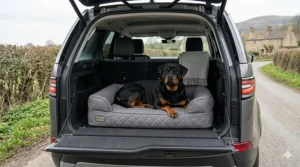
Customer Feedback: London customers mention using this as a car bed or for occasional stays at family members’ homes. A Birmingham owner uses it as a kitchen bed whilst keeping a larger bed in the living room. Several reviewers note smaller female rottweilers (40-45kg) find this size perfectly adequate.
Pros:
✅ Appropriate size for smaller rottweilers and as secondary beds
✅ Budget-friendly option for multi-bed households
✅ Four-sided bolster provides head support despite compact size
Cons:
❌ Too small for typical male rottweilers (50-60kg)
❌ Lower weight capacity (50kg) limits suitability for larger dogs
Price & Value: At £40-£55, this represents good value for smaller rottweilers or as an additional bed. Prime delivery available.
Real-World Rottweiler Scenarios: Matching Dogs to Beds
The Birmingham Commuter’s Senior Rottie
Sarah works from home three days weekly in her two-bedroom terraced house in Bournville. Her 10-year-old rottweiler, Max, has developed early-stage hip dysplasia diagnosed by their vet last autumn. He struggles to get up after resting and shows visible stiffness in cold, damp weather—precisely the sort of mornings Birmingham specialises in producing.
Recommended bed: The Dog’s Bed Orthopedic Premium with pocket springs. Whilst the £110 price initially gave Sarah pause, her vet explained that proper orthopedic support could delay the need for pain medication by months or even years. The pocket spring system provides superior pressure relief compared to foam alternatives, and the bed’s durability means it’ll last through Max’s remaining years without replacement.
Why this matches: Senior dogs with diagnosed joint conditions benefit most from premium orthopedic support. The initial investment pays off through improved mobility and potentially reduced veterinary costs. The bed’s substantial weight prevents it shifting around when Max struggles to stand—a stability issue that cheaper, lighter beds don’t address.
The Scottish Countryside Family
The MacLeods live in a farmhouse outside Inverness with two rottweilers: a energetic 3-year-old female (45kg) and a calmer 7-year-old male (58kg). Both dogs spend considerable time outdoors in all weather, tracking mud and dampness indoors. Space isn’t an issue—they have a large utility room where the dogs sleep—but practicality is everything.
Recommended beds: EHEYCIGA XXL Mattress for the utility room (two beds) and Bedsure Large Flat Mattress as a living room daytime bed. Total cost around £110-£120 for three beds versus £150-£200 for premium alternatives.
Why this matches: The EHEYCIGA’s flat design and waterproof cover handle muddy paws and damp coats without fuss. Easy to hose down or wipe clean before washing. The egg-crate foam provides adequate support for dogs who are active and haven’t developed joint issues yet. Having multiple beds in different rooms prevents territorial disputes whilst keeping costs manageable.
The London Flat Dweller
James lives in a one-bedroom flat in Hackney with his 6-year-old rottweiler, Bruno. Floor space is limited, and the flat’s laminate flooring means beds slide around easily. Bruno has started showing early signs of elbow discomfort—not severe enough for veterinary intervention yet, but noticeable when he rises from resting.
Recommended bed: KSIIA Extra Large with U-Shape Bolster, positioned in the corner of the living room where Bruno habitually sleeps anyway. The £60 price point balances quality orthopedic support with the reality of London living costs.
Why this matches: The U-shaped design fits efficiently into corners, maximising Bruno’s sleeping space whilst minimising floor space consumption—crucial in compact London flats. The non-slip base addresses the laminate floor issue, and the bolster provides support for Bruno’s preference to rest his head whilst sleeping. The orthopedic foam offers preventive joint support before problems become serious.
How to Choose a Rottweiler Bed: The Seven Factors That Actually Matter
Choosing a bed for a rottweiler involves rather different considerations than selecting one for a Westie or even a Labrador. The combination of substantial weight, predisposition to joint problems, and specific sleeping habits means standard dog bed selection criteria need adjusting. Here’s what genuinely matters based on veterinary recommendations and practical experience.
Size Requirements: Bigger Than You Think
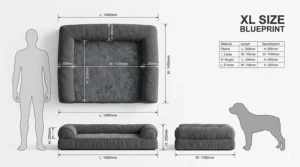
Most UK rottweiler owners underestimate the bed size needed. Your dog should be able to stretch fully without limbs hanging off edges. The Kennel Club breed standard notes rottweilers typically measure 61-69cm at the withers (shoulder height), with males at the larger end. When lying down with legs extended, most rottweilers occupy 120-130cm of length.
The minimum bed size for average rottweilers is XXL (120cm length), with larger males potentially requiring 130cm+. Don’t be tempted by “Large” beds marketed as suitable for big breeds—these typically max out at 100-110cm, forcing your Rottie into a curled position that prevents proper spinal alignment during sleep.
Practical test: Measure your rottweiler from nose to base of tail whilst lying stretched out. Add 20-25cm to account for shifting positions during sleep. That’s your minimum bed length requirement.
Weight Capacity: Beyond Marketing Numbers
Many beds list weight capacities that sound impressive but don’t account for the concentrated pressure points giant breeds create. A 55kg rottweiler doesn’t distribute weight evenly like a human—they concentrate pressure on specific joints (hips, elbows, shoulders) when lying down.
Look for beds explicitly designed for giant breeds with weight capacities of 60kg+. The foam density matters more than thickness; high-density orthopedic foam or pocket spring systems maintain support under sustained pressure, whilst cheaper alternatives compress over time, creating pressure points that defeat the bed’s purpose.
Orthopedic Support: Preventing Problems Before They Start
Research from Cornell University’s Veterinary College indicates rottweilers have increased susceptibility to hip dysplasia, a hereditary condition that affects up to 20% of the breed. Proper sleeping surfaces don’t cure dysplasia, but they significantly reduce the discomfort associated with it and potentially slow progression.
Genuine orthopedic beds use either high-density memory foam (moulds to body shape, relieving pressure points), egg-crate foam (distributes weight across multiple contact points), or pocket spring systems (dynamic support that responds to movement). Standard polyester fill, regardless of how thick, provides inadequate support for a 50-60kg dog.
Waterproofing: Essential in British Climate
The UK’s perpetual dampness isn’t just about rain—it’s morning dew on grass, muddy garden soil, that mysterious wetness that appears on pavements. Your rottweiler will track this indoors regardless of your efforts. Additionally, drool (rottweilers aren’t delicate droolers), occasional accidents (particularly in senior dogs), and spilled water bowls mean the bed will get wet.
A waterproof inner liner beneath the removable cover is non-negotiable. This protects the orthopedic foam from moisture, which causes breakdown and odour if it penetrates. Look for beds where the waterproof layer is sewn into the design rather than a separate add-on you’ll forget to replace.
Washability: Practicality Over Aesthetics
Your rottweiler bed will require washing every 2-3 weeks at minimum, weekly if your dog spends considerable time outdoors. The removable cover needs to survive 20-30 washing machine cycles per year without losing shape, fading dramatically, or developing pilling.
OEKO-TEX certification indicates the fabric has been tested for harmful chemicals and typically correlates with better washing durability. Check customer reviews for washing performance—if multiple UK reviewers mention covers holding up after months of regular washing, that’s a reliable indicator.
Non-Slip Base: Physics Matters
On laminate, tile, or hardwood flooring common in British homes, beds without proper grip slide across rooms as dogs settle in. This isn’t merely annoying—it can cause joint strain as dogs brace against the movement, and older dogs with mobility issues may give up on beds that shift when they attempt to use them.
Look for beds with rubber or silicone grip patterns covering at least 50% of the base. Some manufacturers use grippy fabric instead, but this is less effective on smooth floors. Weight also provides stability—heavier beds (7-10kg) naturally shift less than lightweight alternatives.
Elevation vs. Flat Design: The Joint Consideration
Elevated beds (raised on legs or frames) promote air circulation and keep dogs cooler—valuable in summer. However, they require dogs to step up, which becomes increasingly difficult for dogs with hip or elbow dysplasia. The Orthopedic Foundation for Animals notes that low-entry beds reduce joint stress for affected dogs.
For rottweilers under 5 years without joint issues, elevated beds are viable. For dogs 6+ years or those showing any mobility reduction, flat beds with low profiles (under 18cm height) are safer choices.
Common Mistakes When Buying Rottweiler Beds
Buying Based on Human Bed Shopping Habits
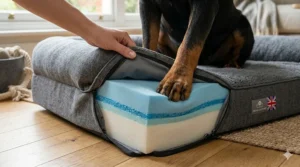
We choose human mattresses based on how they feel when we lie down for 30 seconds in a shop. This doesn’t translate to dog beds—your rottweiler won’t appreciate a memory foam bed that feels lovely to your hand if it’s too soft to provide proper support under their weight for 16 hours daily. What feels “cushy” often lacks the density needed for genuine orthopedic support.
The better approach: Focus on specifications (foam density, weight capacity, material composition) rather than how the bed feels when you press your hand into it. High-density orthopedic foam should resist your hand pressure noticeably—if it compresses easily, it’ll flatten under your dog’s weight.
Ignoring UK-Specific Compatibility
Many beds sold on Amazon.co.uk are designed for American or European markets with different standards. This occasionally means:
- Sizing that doesn’t account for British floor space constraints in terraced houses and flats
- Materials not tested to UK safety standards (look for OEKO-TEX Standard 100 or similar UK/EU certifications)
- Covers that don’t hold up in UK washing machines running cooler cycles than American machines
- Inadequate waterproofing for our climate
Always check customer reviews specifically from UK buyers to identify region-specific issues.
Underestimating Weather Impact
British dampness isn’t dramatic—it’s relentless. Morning grass is wet, pavements retain moisture, gardens turn to mud after rain. Your rottweiler will lie in this, roll in it, and track it indoors. A bed without comprehensive waterproofing will develop that distinctive damp-dog-bed smell within months, and the internal foam will begin breaking down.
The waterproof liner isn’t optional; it’s essential. Additionally, consider how quickly the outer cover dries—materials that hold moisture for days between washes become breeding grounds for bacteria.
Buying Too Small “Because They Curl Up Anyway”
Yes, rottweilers often sleep curled up. They also stretch fully, sprawl on their sides, and shift positions multiple times during sleep. A bed that accommodates only the curled position forces them to wake and reposition when they instinctively want to stretch, disrupting sleep quality.
Proper sleep is crucial for giant breeds—inadequate rest affects joint recovery, immune function, and temperament. The £15 saved buying a Large rather than XXL bed is false economy when it compromises your dog’s rest.
Prioritising Aesthetics Over Substance
That Instagram-worthy designer dog bed in fashionable colours looks lovely in your living room. It also flattens within three months under a rottweiler’s weight, lacks waterproofing, and can’t be properly washed. Rottweilers need functional, durable beds that withstand their size and lifestyle, not decorative accessories.
Grey, charcoal, and navy colours hide dirt better than cream or light grey. Washable covers matter more than pattern options. Orthopedic support trumps how the bed photographs. Your rottweiler doesn’t care if their bed coordinates with your sofa—they care if it hurts when they get up.
Delaying Purchase Until Problems Appear
Orthopedic beds aren’t just for dogs with diagnosed conditions—they prevent problems from developing or progressing. Hip dysplasia progression can be influenced by environmental factors including sleeping surfaces. Starting with proper support from puppyhood through to senior years potentially delays the onset of painful arthritis by years.
The “we’ll upgrade to an orthopedic bed when he gets older” approach means years of inadequate support during the dog’s most active phase, when joint stress is highest. Prevention costs less than treatment, both financially and in terms of your dog’s quality of life.
Rottweiler Beds vs. Generic Large Dog Beds: What’s Actually Different
The marketing would have you believe every large dog bed suits every large dog. The reality is rather more nuanced—rottweilers have specific requirements that generic large breed beds often fail to address adequately.
Weight Distribution Patterns
Labradors and Golden Retrievers (the most common “large” breeds) typically weigh 25-35kg. Rottweilers weigh 40-60kg—that’s 40-70% heavier. More importantly, rottweilers have a more muscular, compact build that concentrates weight differently. When a Labrador lies down, their weight distributes relatively evenly. When a rottweiler lies down, they create pronounced pressure points at hips, shoulders, and elbows.
Generic large dog beds use foam densities adequate for 30kg dogs but insufficient for 55kg dogs. The foam compresses under sustained pressure, creating the very pressure points orthopedic beds are meant to prevent. Rottweiler-appropriate beds require higher-density foam or spring systems that maintain support under greater sustained weight.
Joint Problem Prevalence
Approximately 20% of rottweilers develop hip dysplasia, and over a third experience elbow dysplasia at some point. These rates significantly exceed those in Golden Retrievers (around 8% for hip dysplasia) or most other large breeds. This means rottweilers benefit from orthopedic support earlier in life and require more robust support systems to manage existing conditions.
A generic orthopedic bed marketed for “large dogs” might provide adequate support for a breed with low dysplasia rates, but fails to offer the enhanced support rottweilers require. The difference is measurable—proper rottweiler beds use 2-3 times the foam density of standard large dog beds.
Durability Under Heavy Use
Rottweilers aren’t delicate when claiming their sleeping spot. They flop down with their full weight, shift positions with vigour, and may circle multiple times before settling. This heavy use pattern destroys cheaper beds within months.
Beds designed for rottweilers and similar giant breeds use reinforced stitching at stress points, heavier-gauge materials, and construction methods that accommodate rough use. The price difference between a generic large bed (£30-£40) and a proper giant breed bed (£50-£80) reflects these enhanced construction standards. The generic bed lasts 6-12 months; the proper bed lasts 3-5 years.
Climate Considerations for UK Owners
This particularly affects UK households—generic dog beds designed for American markets don’t account for British climate realities. American homes typically run warmer and drier; British homes are cooler and damper. A bed that stays dry in Florida retains moisture in Manchester.
Rottweiler-specific beds (particularly those from UK or European manufacturers) incorporate waterproofing adequate for our climate and use materials that resist the mildew issues common when homes maintain 15-18°C temperatures with high humidity. This isn’t just about comfort—it’s about preventing the bed becoming a health hazard.
Long-Term Cost Analysis: Cheap vs. Quality Beds in GBP
The Budget Option: Three-Year Total Cost
Initial purchase: Generic large orthopedic bed from Amazon.co.uk: £35
Replacement cycle: Every 12-18 months as foam flattens and cover deteriorates
Replacements needed over 10 years: 6-7 beds Additional costs:
- Waterproof liner purchases (original inadequate): £15 every 18 months = £75 over 10 years
- Extra washing machine cycles due to inadequate waterproofing (mildew smell): approximately £30 over 10 years in energy costs
- Veterinary costs for joint issues potentially exacerbated by inadequate support: conservatively £200-£500 over dog’s lifetime for additional pain management
10-year total: £445-£745
The Quality Option: Three-Year Total Cost
Initial purchase: Premium rottweiler-specific orthopedic bed (e.g., The Dog’s Bed): £120
Replacement cycle: 8-10 years (possibly entire dog’s lifetime)
Replacement covers: £40 every 3-4 years = £80-£120 over 10 years
Additional costs: Minimal—proper waterproofing reduces washing frequency and eliminates odour issues
10-year total: £200-£240
The Middle Ground Option: Three-Year Total Cost
Initial purchase: Quality but not premium bed (e.g., Bedsure XXL Orthopedic): £55
Replacement cycle: 3-4 years
Replacements needed over 10 years: 2-3 beds
Additional costs: Minimal due to adequate waterproofing and quality construction
10-year total: £165-£220
The mathematics rather speaks for itself—the “expensive” premium bed costs less than half the budget option over your rottweiler’s lifetime, whilst providing superior support throughout. The middle-ground option offers nearly comparable value whilst requiring less initial outlay.
UK Delivery, Returns, and Amazon Prime Benefits
Standard Amazon.co.uk Delivery
Most dog beds require £25+ order value for free standard delivery (3-5 working days), which the XXL beds in this guide easily exceed. Orders under £25 incur £3.99-£4.99 delivery charges. Standard delivery ships to England, Scotland, Wales, and Northern Ireland, though some remote Scottish Highlands and Islands postcodes may require additional delivery time.
Items shipped from UK warehouses (most major brands) arrive within the timeframe stated. Beds shipped from EU suppliers post-Brexit occasionally experience customs delays, though this has improved significantly since 2023. Check the seller location before purchasing if delivery timing is critical.
Amazon Prime Advantages
Prime membership (£8.99/month or £95/year) provides substantial benefits for large item purchases like dog beds:
- Next-day delivery on Prime-eligible items ordered before 6pm—particularly valuable when your dog has destroyed their existing bed
- Same-day delivery in select postcodes (primarily London, Manchester, Birmingham, Glasgow, Edinburgh)
- Free delivery regardless of order value, including XXL items that might otherwise incur oversized shipping charges
- Extended return window compared to non-Prime purchases
For rottweiler owners replacing beds every 2-4 years, the Prime subscription pays for itself through delivery savings alone, before considering the expedited shipping benefits.
Returns Policy for Dog Beds
Amazon.co.uk offers 30-day returns on most items, including dog beds, with free return shipping for faulty or mis-described items. However, returns on used dog beds vary by seller:
- Amazon-fulfilled returns: Generally accepted even if opened and tested, provided the bed isn’t soiled or damaged. Many UK customers report successfully returning beds after their dog tried them for 2-3 days.
- Third-party seller returns: Policies vary; check individual seller terms. Some require beds to be in original packaging with all tags attached.
- Hygiene considerations: Once a bed has been used by your dog, particularly if it’s accumulated dog hair or odours, return authorisation becomes less certain. Amazon’s discretion applies.
Practical advice: When testing a new bed, place it on top of old bedding or a waterproof sheet for the first few days. This keeps it clean enough for return if your rottweiler refuses to use it, whilst allowing proper testing.
Northern Ireland Specifics
Post-Brexit, Northern Ireland maintains different regulatory alignment with the EU, occasionally affecting product availability and delivery logistics. Most major dog bed brands on Amazon.co.uk ship to Northern Ireland without issues, but check:
- Delivery timeframes may extend by 1-2 days compared to England/Scotland/Wales
- Some third-party sellers restrict NI delivery; filter by “delivers to your location”
- Consumer protection under Northern Ireland Protocol mirrors EU standards, potentially offering stronger return rights than rest of UK
Maintaining Your Rottweiler’s Bed: Extending Lifespan to 5+ Years
Washing the Cover: Getting It Right
Most removable covers tolerate machine washing at 30-40°C, but UK washing machines running cooler cycles require adjustments for proper cleaning:
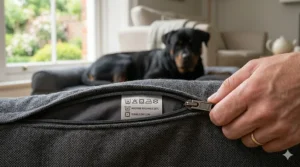
Weekly maintenance wash: 30°C with pet-safe detergent, no fabric softener (reduces waterproofing effectiveness). Air dry or tumble dry low heat.
Deep cleaning (monthly): 40°C with oxygen-based stain remover pre-treatment on visible marks. Double rinse cycle removes all detergent residue. Fabric softener remains off-limits.
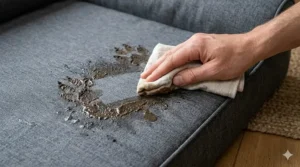
Emergency cleaning (mud, accidents): Spot-clean immediately with enzymatic pet odour eliminator before full wash. The longer organic matter sits, the more it penetrates waterproof layers and underlying foam.
Drying considerations: British weather makes air drying unreliable 8-9 months yearly. Tumble drying on low heat works for most covers but check manufacturer specifications—some materials shrink or degrade with heat. The radiator-drying compromise works but takes 24-48 hours.
Protecting the Waterproof Liner
The waterproof inner liner protects the orthopedic foam from moisture, but it’s not immortal. Most liners degrade after 3-4 years of washing cycles, showing:
- Reduced water resistance (moisture seeping through to foam)
- Cracking or peeling of waterproof coating
- Tears at seams where stitching pulls through degraded material
Extending liner life:
- Avoid washing the entire bed (cover plus liner) more than monthly
- When washing the liner, use delicate cycle at 30°C maximum
- Never use fabric softener or bleach on waterproof materials
- Air dry rather than tumble drying when possible
Some manufacturers sell replacement liners for £15-£25. Replacing the liner every 3-4 years extends the overall bed lifespan significantly.
Foam Care: What Never to Do
The orthopedic foam core should never get wet. This sounds obvious, but UK humidity means moisture creeps in through imperceptible gaps in covers or degraded waterproofing. Once foam gets wet:
- It takes days to dry completely in British climate
- Damp foam develops mildew and that distinctive musty smell
- The foam’s structural integrity degrades, creating permanent compressed areas
- Bacteria growth becomes a genuine health concern
Protection strategies:
- Check waterproof liner integrity every 6 months (pour small amount of water on it; if it seeps through immediately, replace it)
- Never leave bed in damp garage or outside
- If foam does get wet, extract it from cover immediately and dry in warm room with fan for 48-72 hours; replace if mildew smell develops
- Consider spraying foam with antimicrobial spray annually (allow to air out completely before replacing cover)
Rotation and Flipping Strategy
Like human mattresses, dog beds benefit from regular rotation to prevent uneven wear:
Flat mattress beds: Flip monthly (top to bottom) and rotate 180° fortnightly. This distributes wear across entire foam surface rather than creating a permanently compressed “dog shape.”
Bolster beds: Cannot flip, but rotate 180° fortnightly so your rottweiler isn’t always lying on the same section.
Pocket spring beds: These require less rotation due to their superior support structure, but rotating 180° quarterly prevents uneven settlement.
Spot-Cleaning Between Washes
British muddy paws necessitate cleaning between full cover washes:
For mud: Allow to dry completely, then brush off with stiff brush. Spot-treat any remaining marks with damp cloth and mild pet-safe cleaner.
For drool: Wipe immediately with damp microfiber cloth. Dried drool becomes difficult to remove and attracts dirt.
For odours: Sprinkle baking soda on affected area, leave 30 minutes, vacuum thoroughly. This neutralises odours without washing entire cover.
When to Replace Rather Than Repair
Even well-maintained beds eventually reach end-of-life. Replace when:
- Foam shows permanent compression (doesn’t bounce back after your dog stands up)
- Multiple areas feel noticeably thinner than when new
- Your rottweiler starts avoiding the bed in favour of floor or furniture
- Cover or waterproof liner develops tears that can’t be economically repaired
- Persistent odours that survive washing indicate bacterial penetration into foam
For premium beds (£100+), replacement at 8-10 years is expected. Mid-range beds (£50-£70) typically last 3-5 years with proper maintenance. Budget options (under £40) rarely exceed 18-24 months under a rottweiler’s use.
Frequently Asked Questions
❓ Are XXL dog beds really necessary for rottweilers, or will an extra large suffice?
❓ How often should orthopedic dog beds be replaced for heavy breeds like rottweilers?
❓ Do rottweilers need waterproof dog beds specifically, or is a regular cover sufficient?
❓ What's the best bed for a rottweiler with diagnosed hip dysplasia?
❓ Can I use a human mattress topper as a cheaper alternative to an orthopedic dog bed?
Conclusion: Investing in Your Rottweiler’s Joint Health
The bed you choose for your rottweiler isn’t simply furniture—it’s preventive healthcare that operates 14-16 hours daily. When a breed carries genetic predisposition to hip and elbow dysplasia affecting 20-35% of dogs, the sleeping surface becomes a crucial factor in either exacerbating or mitigating those inherited vulnerabilities.
The research from veterinary organisations like Cornell University’s College of Veterinary Medicine and the Orthopedic Foundation for Animals consistently demonstrates that whilst genetic factors establish susceptibility, environmental factors—including sleeping surfaces—influence whether and how severely dysplasia manifests. Proper orthopedic support doesn’t cure inherited joint conditions, but it measurably affects quality of life and potentially delays the need for pain management or surgical intervention.
For UK rottweiler owners specifically, the additional challenges of our damp climate, typically compact living spaces, and the practicalities of managing a 50-60kg dog in terraced housing or flats make bed selection particularly consequential. The waterproofing, washability, and durability requirements exceed those in drier climates or larger homes, and beds designed for the UK/European market better address these realities than products originally marketed in North America.
The price differential between adequate and excellent beds—roughly £40-£70—is modest when amortised across the bed’s 3-10 year lifespan and compared against potential veterinary costs for managing joint problems. An extra £30-£50 invested in superior orthopedic support represents approximately £5-£10 per year, whilst potentially preventing or delaying joint issues that cost hundreds or thousands of pounds to manage.
Your rottweiler will spend nearly half their life on whatever bed you choose. Make it count.
Recommended for You
- 7 Best Boxer Dog Beds UK 2026: Orthopedic & Waterproof Picks
- Best Staffie Beds UK 2026: 7 Chew-Proof & Indestructible Options
- 7 Best German Shepherd Beds UK: Expert Guide 2026
Disclaimer: This article contains affiliate links. As an Amazon Associate, I earn from qualifying purchases. If you purchase products through these links, we may earn a small commission at no additional cost to you.
✨ Found this helpful? Share it with your mates! 💬🤗
