In This Article
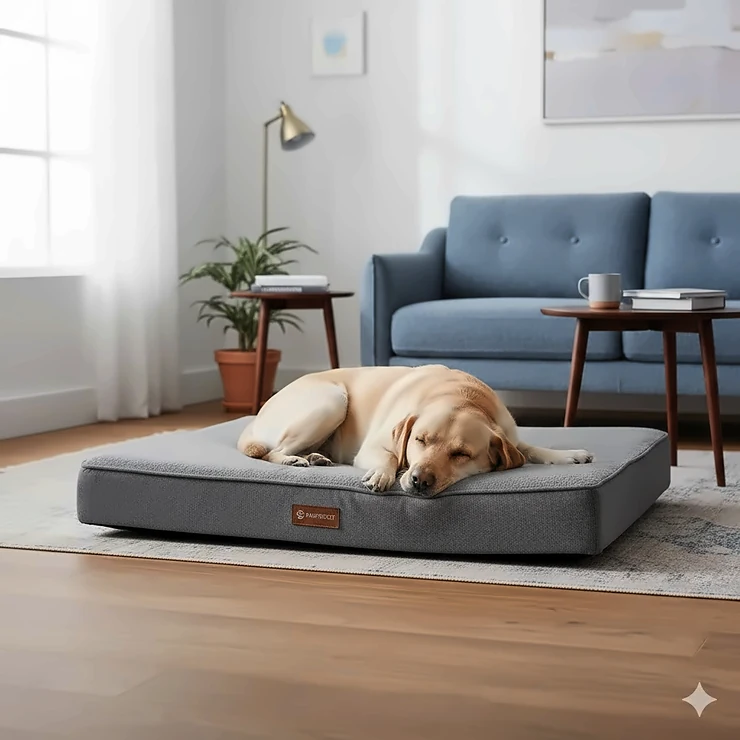
You’ve watched your faithful companion struggle to get comfortable lately, haven’t you? Perhaps they’re taking longer to settle down at night, or you’ve noticed them shifting positions more frequently. I know that feeling all too well—my own Labrador, Max, started showing these signs at age eight, and it broke my heart.

The truth is, your dog spends roughly 12 to 14 hours sleeping each day, according to sleep specialists. That’s more than half their life! Yet, many of us invest hundreds of pounds on our own mattresses whilst our four-legged friends make do with flattened cushions that offer about as much support as a soggy biscuit.
Enter the washable memory foam dog bed—a game-changing solution that’s revolutionising canine comfort across the UK. These clever beds combine orthopaedic support with practical hygiene features, making them particularly valuable for elderly dogs suffering from arthritis or joint pain. Studies show that osteoarthritis affects an estimated 2.5% of UK dogs annually, with senior pups and certain breeds at significantly higher risk.
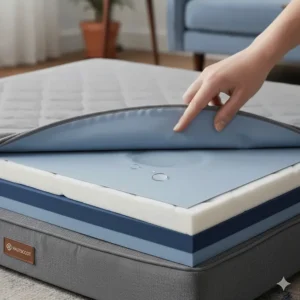
But here’s the brilliant part: modern washable memory foam dog beds don’t ask you to choose between your dog’s comfort and your home’s cleanliness. With removable covers that pop straight into your washing machine and waterproof liners protecting that precious foam, these beds tackle both challenges head-on. Whether you’re dealing with muddy paws, the occasional accident, or simply the everyday grime that comes with dog ownership, proper maintenance requirements have never been easier to meet.
In this comprehensive guide, I’ll walk you through everything you need to know about selecting, using, and maintaining the perfect washable memory foam dog bed. We’ll explore real products available on Amazon.co.uk right now, compare prices, and ensure you understand exactly what cleaning frequency and hygiene standards these beds require. By the end, you’ll be equipped to make an informed decision that keeps your dog comfortable and your home fresh—without breaking the bank.
Quick Comparison Table
| Product Name | Size Range | Price (£) | Foam Type | Cover Type | Best For |
|---|---|---|---|---|---|
| Bedsure Orthopedic Dog Bed | S-XL Plus | £35-£75 | Egg Crate Memory Foam | Removable Sherpa/Flannel | Budget-conscious owners |
| Omlet Memory Foam Bolster Bed | Small-Large | £175-£295 | High-Density Memory Foam | Machine-Washable rPET | Eco-minded pet parents |
| Baker & Bray Ultimate Bed | Small-Large | £149-£199 | Repurposed Memory Foam | Recycled Ocean Plastic | Sustainability enthusiasts |
| Kong Orthopedic Lounger | Medium-XL | £45-£85 | High-Density Memory Foam | Waterproof/Water-Resistant | Active outdoor dogs |
| PetFusion Ultimate Dog Bed | Medium-XL | £59-£147 | Solid 10cm Memory Foam | YKK Zippered Cotton Blend | Large breed owners |
| Bedsure Flannel Dog Sofa | Medium-XL Plus | £55-£95 | Egg Crate Foam + Bolsters | Removable Flannel | Dogs who love bolsters |
| We Cut Foam Custom Bed | Custom Sizes | £60-£120 | 2-Layer Memory Foam | Washable Removable Cover | Specific size needs |
💬 Just one click – help others make better buying decisions too! 😊
Top 7 Washable Memory Foam Dog Beds: Expert Analysis
Finding the perfect bed for your furry friend shouldn’t feel like navigating a maze. After extensive research and comparing dozens of options available on Amazon.co.uk, I’ve identified seven standout products that truly deliver on their promises. Let’s dive into what makes each one special.
1. Bedsure Orthopedic Dog Bed – Best Budget-Friendly Option
If you’re seeking exceptional value without compromising quality, the Bedsure Orthopedic Dog Bed deserves serious consideration. This American brand has made significant inroads into the UK market, and British dog owners are singing its praises.
Key Specifications:
- Dual-layer construction: high-density memory foam top with firm supportive base
- CertiPUR-US certified foam (non-toxic, safe materials)
- Removable, machine-washable cover (Sherpa or flannel options)
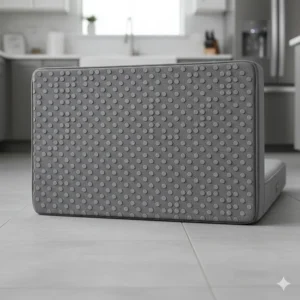
- Non-slip bottom prevents sliding on hardwood or tile
- Available in six sizes from Small (71x58x18cm) to XXL (134x106x20cm)
UK Price Range: £35–£75 depending on size
What UK Customers Say: British buyers consistently praise this bed’s durability and value proposition. One Sheffield owner noted, “brilliant quality for the price” whilst highlighting that their three Schnauzers’ digging habits haven’t damaged the bed despite regular washing. The waterproof liner receives particular acclaim for protecting against accidents—essential for elderly dogs or puppies still mastering house training.
Pros:
✅ Outstanding value for money
✅ Fits perfectly in crates and kennels
✅ Foam expands fully within 24-48 hours
Cons:
❌ Some customers report inconsistency between orders regarding waterproof liner inclusion
❌ Cover fabric may pill with excessive digging behaviour
Perfect For: Budget-conscious owners seeking reliable orthopaedic support for dogs up to 50kg, particularly those using crate training.

2. Omlet Memory Foam Bolster Dog Bed – Premium British Design
Can a dog bed genuinely compete with your sofa for comfort? The Omlet Memory Foam Bolster Bed certainly makes a compelling case. This premium British brand has earned cult status amongst UK dog owners who appreciate thoughtful design and eco-friendly credentials.
Key Specifications:
- High-performance memory foam mattress that never flattens
- Three-sided cushioned bolster for head and neck support
- Removable covers made from rPET (recycled bottles) or GOTS certified organic cotton cord
- Optional designer feet in various styles (Black Rail, Square, etc.)
- Upholstery-grade fabrics tested for tooth and claw resistance
- Available in 15 stylish colours
UK Price Range: £175–£295 depending on size and customisation
What UK Customers Say: Owners rave about the bed’s longevity, with many reporting it looks “as good as new” even after a year of daily use and regular washing. The lower front edge receives special mention from owners of senior dogs or small breeds, making entry and exit effortless for those with mobility challenges.
Pros:
✅ Exceptional durability with upholstery-grade materials
✅ Sustainable rPET and GOTS organic cotton options
✅ Customisable with designer feet and colour choices
Cons:
❌ Premium price point may stretch some budgets
❌ Takes up considerable space (not ideal for small homes)
Perfect For: Design-conscious owners seeking a bed that complements their interior whilst delivering luxury comfort for senior or arthritic dogs.
3. Baker & Bray Ultimate Orthopaedic Bed – Best Eco-Friendly Choice
Winner of The Telegraph’s “Best Dog Bed” award for three consecutive years (2023, 2024, 2025), the Baker & Bray Ultimate Bed represents the pinnacle of sustainable luxury. This British brand has cracked the code on combining eco-credentials with genuine orthopaedic benefits.
Key Specifications:
- Repurposed premium-grade memory foam core
- Bolsters filled with recycled mixed polyester fibre from textile industry surplus
- Outer covers made from recycled ocean-bound plastic bottles
- Lower Scandi-style front edge for easy access
- Eight contemporary muted colours including trendy sage green
- 30-day risk-free trial with free next-day delivery
- 3-in-1 design: removable mattress section works in crates or for travel
UK Price Range: £149–£199 across three sizes
What UK Customers Say: British buyers appreciate the bed’s surprisingly substantial weight—a testament to its quality construction. One Labrador owner noted their dog “made himself right at home immediately, snuggling into the bolster.” The eco-friendly materials resonate strongly with environmentally conscious pet parents who want to reduce their carbon pawprint.
Pros:
✅ Outstanding eco-credentials without compromising comfort
✅ Telegraph-endorsed quality assurance
✅ Versatile 3-in-1 functionality
Cons:
❌ Higher price point than basic models
❌ Heavy construction makes moving between rooms challenging
Perfect For: Environmentally conscious owners seeking award-winning quality for dogs of all ages, particularly those who frequently travel or crate-train.
4. Kong Orthopedic Lounger – Best for Active Dogs
From the brand synonymous with indestructible dog toys comes the Kong Orthopedic Lounger—a spacious mattress-style bed engineered for dogs who live life to the fullest. This recent addition to Kong’s UK lineup has captured attention for its generous proportions and practical design.
Key Specifications:
- Flat mattress design with firm memory foam support
- Extra-large model measures 140cm x 90cm x 15cm
- Non-slip base ensures stability on all floor types
- Choice of waterproof or water-repellent upholstery fabric cover
- Machine-washable on cold setting
- Available in grey with red piping or sophisticated grey upholstery
UK Price Range: £45–£85 depending on size selection
What UK Customers Say: Owners of large breeds particularly appreciate the sprawling space this bed provides. The waterproof option proves invaluable for dogs who enjoy outdoor adventures and return home muddy—simply wipe clean or remove the cover for washing.
Pros:
✅ Genuinely spacious for large breeds or multi-dog households
✅ Waterproof option for messy pups
✅ Trusted Kong brand quality
Cons:
❌ Flat design lacks bolsters (some dogs prefer edges for security)
❌ Limited colour choices compared to competitors
Perfect For: Active outdoor dogs, large breeds, or households with multiple medium-sized dogs who enjoy sharing sleeping space.
5. PetFusion Ultimate Solid Memory Foam Dog Bed – Best for Large Breeds
The PetFusion Ultimate Dog Bed has cultivated a loyal following amongst owners of giant breeds who struggle to find beds that don’t flatten within weeks. This American brand delivers on its promises with solid construction and thoughtful features.
Key Specifications:
- Solid 10cm (4-inch) memory foam base
- Water-resistant liner protects foam from accidents
- YKK premium zippers (renowned for durability)
- Breathable cotton blend removable cover
- Raised bolsters provide security and neck support
- Extra-large size accommodates dogs up to 45kg comfortably
UK Price Range: £59–£147 depending on size (Medium to Extra Large)
What UK Customers Say: British buyers consistently praise the bed’s longevity, with multiple reviewers noting it remains supportive even after years of use. The premium zippers receive special mention—they glide smoothly and resist snagging, making cover removal genuinely effortless.
Pros:
✅ Solid foam construction prevents early flattening
✅ Premium materials including YKK zippers
✅ Effective water-resistant liner
Cons:
❌ Higher price point for premium construction
❌ Limited colour options (primarily grey)
Perfect For: Owners of large or giant breeds (German Shepherds, Great Danes, Newfoundlands) who need beds that withstand substantial weight over extended periods.
6. Bedsure Orthopedic Flannel Dog Sofa – Best Bolster Design
Dogs who love to curl up will adore the Bedsure Orthopedic Flannel Dog Sofa. This clever design combines the orthopaedic benefits of memory foam with the psychological comfort of surrounding bolsters—particularly valuable for anxious dogs or those who enjoy feeling securely nestled.
Key Specifications:
- High-density egg-crate foam base for joint support
- Three raised bolster panels for head and neck comfort
- Soft flannel or Sherpa fabric covering
- Removable, machine-washable cover with full-length zipper
- Available in six colour options and five sizes
- Non-slip bottom prevents movement
UK Price Range: £55–£95 depending on size (Medium to XL Plus)
What UK Customers Say: One Hampshire owner with an 85-pound Labrador notes the dog uses the bolsters “as pillows for her head” and that the XL size comfortably fits two medium-sized dogs. The full-perimeter zipper receives praise for simplifying cover removal—no wrestling required.
Pros:
✅ Bolsters provide security for anxious dogs
✅ Spacious enough for sharing (two medium dogs)
✅ Easy cover removal with complete zipper
Cons:
❌ Reassembling cover after washing requires patience
❌ Bolsters may compress slightly over time with heavy use
Perfect For: Dogs who love to curl up, anxious pets seeking security, or households with multiple medium-sized dogs who enjoy cuddle sessions.
7. We Cut Foam Custom Memory Foam Dog Bed – Best Bespoke Option
Sometimes standard sizes simply won’t do. The We Cut Foam Custom Memory Foam Dog Bed offers British dog owners the flexibility to specify exact dimensions—perfect for awkward spaces, unusually shaped alcoves, or dogs with specific requirements.
Key Specifications:
- 1-inch thick memory foam top layer for pressure relief
- 1-inch high-density Putafoam base for weight support
- Custom sizing available (order exact dimensions needed)
- Removable, washable cover included
- Meets British fire standard BS 5852
- Made in UK (Plymouth-based company)
UK Price Range: £60–£120 depending on custom specifications
What UK Customers Say: Buyers appreciate the British manufacturing and the ability to create beds that fit perfectly into specific spaces—under staircases, inside unusual crate dimensions, or for dogs with unique needs.
Pros:
✅ Complete customisation of dimensions
✅ British-made supporting local business
✅ Meets UK fire safety standards
Cons:
❌ Custom orders take longer to manufacture
❌ May not be chew-proof despite durability
Perfect For: Owners with specific space constraints, unusual requirements, or those who prioritise British manufacturing and bespoke solutions.
✨ Don’t Miss These Exclusive Deals!
🔍 Take your dog’s comfort to the next level with these carefully selected products. Click on any highlighted item to check current pricing and availability on Amazon.co.uk. These beds will help create authentic restful sleep your furry friend will love!
Understanding Memory Foam Technology for Dogs
What Makes Memory Foam Special?
Memory foam—technically known as viscoelastic polyurethane foam—was originally developed by NASA in the 1960s to improve seat cushioning and crash protection for airline pilots. Today, this remarkable material has found its way into our homes and, thankfully, our dogs’ sleeping quarters.
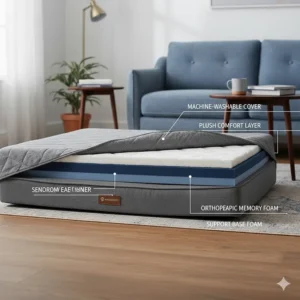
The magic lies in its unique cellular structure. Unlike traditional foam that simply compresses uniformly under pressure, memory foam contains millions of tiny cells that respond individually to heat and weight. When your dog settles onto the bed, these cells compress and redistribute pressure evenly across the entire contact surface. This creates a custom mould around your dog’s body contours, eliminating pressure points that can exacerbate joint pain or discomfort.
According to veterinary orthopaedic specialists, this pressure-distributing property proves particularly beneficial for dogs with arthritis or hip dysplasia. The PDSA notes that arthritis affects many UK dogs, causing joints to become swollen and painful as bone surfaces rub together. Memory foam’s ability to cushion and support simultaneously helps reduce this friction whilst allowing natural movement.
High-Density vs. Low-Density Foam
Not all memory foam beds offer equal benefits. The density—measured in pounds per cubic foot (PCF) or kilograms per cubic metre—significantly impacts both comfort and longevity.
High-Density Memory Foam (4-5 PCF or higher):
- Provides superior support for heavier dogs
- Maintains shape longer (resists permanent indentations)
- Typically firmer, which orthopaedic specialists prefer for joint support
- More expensive but offers better value over time
- Ideal for senior dogs or those with mobility issues
Low-Density Memory Foam (2-3 PCF):
- Softer, more plush feel that some dogs prefer initially
- Less expensive but may flatten faster
- Suitable for lighter dogs or younger pups
- May require replacement sooner
Most premium UK brands use high-density foam specifically because it maintains therapeutic properties throughout the bed’s lifespan. Cheaper alternatives often use lower-density foam that feels comfortable initially but loses support within months.
Egg Crate vs. Solid Memory Foam
You’ll encounter two main memory foam configurations when shopping:
Egg Crate Foam (Convoluted): The surface features peaks and valleys resembling an egg carton. This design increases airflow, helping regulate temperature—particularly valuable for thick-coated breeds prone to overheating. The varying surface also provides targeted pressure point relief. However, some dogs find the textured surface less comfortable for certain sleeping positions.
Solid Memory Foam: A uniform slab offers consistent support across the entire surface. Most dogs find this more comfortable for sprawling or changing positions throughout sleep. Solid foam typically lasts longer as there are no weak points in the structure. Premium beds often use solid foam with varying densities in different sections—firmer in the centre for support, softer at edges for comfort.
CertiPUR-US and UK Safety Standards
Safety matters enormously when selecting products your dog will spend hours touching daily. Look for foams certified by CertiPUR-US, which ensures:
- No ozone depleters
- No PBDE flame retardants
- No mercury, lead, or heavy metals
- Low VOC (Volatile Organic Compound) emissions
- Made without formaldehyde
Additionally, UK-sold products should meet British fire standard BS 5852, particularly important for household safety compliance.
Why Washability Matters: Hygiene Standards
The Hidden Dangers Lurking in Dirty Dog Beds
Let’s talk honestly about something most owners prefer to ignore—what’s actually living in your dog’s bed right now. I’ll admit, researching this section made me immediately throw my own dog’s bedding into the washing machine!
According to the International Scientific Forum on Home Hygiene, domestic pets carry numerous disease-causing organisms including viral, bacterial, fungal, and parasitic species. Studies show these organisms can survive on dog beds for up to 12 months without a host, creating ongoing infection risks for both pets and humans.
Consider what your dog encounters during a typical day: outdoor soil containing bacteria, grass harbouring ticks and mites, puddles potentially contaminated with leptospirosis, and countless other environmental exposures. All of this gets transferred directly to their bed, where warmth and moisture create ideal breeding conditions for microorganisms.
Research published by veterinary specialists identifies several zoonotic diseases (transmissible from animals to humans) that can spread through contaminated pet bedding:
Common Bacteria:
- Salmonella: Causes gastrointestinal illness in humans
- Staphylococcus aureus: Can lead to skin infections
- E. coli: Particularly concerning for immunocompromised family members
Parasites:
- Fleas: Studies found fleas in 14% of pet sleeping places—even outside prime flea season
- Roundworms: Eggs can persist for months
- Ticks and mites: Including those causing mange
Fungi:
- Ringworm: Despite its name, this skin infection is actually fungal
- Yeast species: Can cause skin irritations in dogs
Special Considerations for Elderly Dogs
Senior dogs face unique challenges that make bed hygiene even more critical. Guide Dogs UK explains that arthritis and mobility issues affect many older dogs, causing them to spend more time resting. This extended contact with bedding increases exposure to allergens and irritants.
Additionally, elderly dogs may experience:
- Incontinence issues: Making waterproof liners essential
- Weakened immune systems: Increasing vulnerability to infections
- Skin sensitivity: Requiring hypoallergenic, frequently laundered fabrics
- Reduced grooming ability: Less natural defence against parasites
Recommended Cleaning Frequency
Professional veterinary advice suggests these washing schedules:
Minimum Standard (Healthy Adult Dogs):
- Bed covers: Every 1-2 weeks
- Spot cleaning: As needed for visible soiling
- Complete wash: Fortnightly
Increased Frequency (Senior Dogs, Puppies, or Dogs with Health Issues):
- Bed covers: Weekly washing
- Waterproof liners: Wipe down after each accident, wash fortnightly
- Blankets and removable layers: Twice weekly
High-Frequency Scenarios:
- Dogs with skin conditions: 2-3 times weekly
- Post-surgery recovery: Fresh bedding every 2-3 days
- Flea treatment periods: Daily changes during active infestation treatment
The 60°C Rule
Here’s a critical detail many owners miss: water temperature matters enormously for killing bacteria, dust mites, and parasite eggs. Pet hygiene experts recommend washing at minimum 60°C to effectively sanitise bedding.
However, always check manufacturer washing instructions first—some delicate fabrics or specialty materials require cold washing. In these cases, use pet-safe antibacterial detergents to compensate for lower temperatures.
Choosing the Right Washable Memory Foam Dog Bed
Assessing Your Dog’s Specific Needs
Every dog deserves a bed tailored to their unique requirements. Let’s explore how to match features to your specific situation.
Size and Breed Considerations
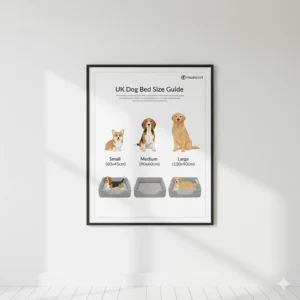
Measuring Your Dog Correctly: Don’t guess—grab a measuring tape! Have your dog lie in their favourite sleeping position (some prefer curled up, others fully stretched). Measure from nose to tail base, then add 15-20cm for movement space. For width, measure shoulder to shoulder and add similar margins.
Small Breeds (Under 10kg):
- Examples: Chihuahuas, Yorkshire Terriers, Miniature Dachshunds
- Bed dimensions: 50-70cm length typically sufficient
- Prefer: Bolstered edges for security, softer foam densities
- Watch for: Avoid beds too large—small dogs appreciate cosy spaces
Medium Breeds (10-25kg):
- Examples: Cocker Spaniels, Border Collies, Beagles
- Bed dimensions: 70-90cm length
- Prefer: Moderate foam density, removable covers for frequent washing
- Watch for: Active breeds benefit from durable, chew-resistant materials
Large Breeds (25-45kg):
- Examples: Labradors, Golden Retrievers, German Shepherds
- Bed dimensions: 90-110cm length minimum
- Prefer: High-density foam for proper weight support
- Watch for: These breeds show increased arthritis risk, prioritise orthopaedic features
Giant Breeds (45kg+):
- Examples: Great Danes, Newfoundlands, St. Bernards
- Bed dimensions: 110-140cm length or larger
- Prefer: Extra-thick (10cm+) solid memory foam, reinforced construction
- Watch for: Standard beds often inadequate—verify weight limits
Age-Related Requirements
Puppies (Under 1 Year): Puppies present unique challenges—they’re adorable destructive forces of nature! Opt for:
- Budget-friendly options (accept they may chew through their first bed)
- Waterproof liners (house training accidents inevitable)
- Machine-washable covers for frequent cleaning
- Avoid premium beds until destructive phase passes (typically 12-18 months)
Adult Dogs (1-7 Years): Healthy adults enjoy maximum flexibility:
- Balance comfort with durability
- Consider lifestyle (active outdoor dogs need easy-clean options)
- Invest in quality—this bed should last 3-5 years minimum
Senior Dogs (7+ Years): Older pups deserve the best support available:
- Prioritise high-density memory foam (minimum 4 PCF)
- Lower front edges assist dogs with mobility challenges
- Waterproof protection for incontinence management
- Extra padding for bony pressure points (elbows, hips)
- Blue Cross recommends orthopaedic beds specifically for arthritic dogs
Health Condition Considerations
Arthritis and Joint Pain: Essential features include:
- Minimum 7.5cm (3-inch) memory foam thickness
- Firm support to prevent joint stress
- Easy access (lower sides or ramp)
- Anti-inflammatory support through even weight distribution
Hip Dysplasia: This hereditary condition requires:
- Solid memory foam (avoid egg crate for severe cases)
- Larger sizes allowing full stretch-out positions
- Firmer foam preventing sinking that stresses joints
Allergies and Skin Conditions: Look for:
- Hypoallergenic cover materials
- Frequent washing capability (twice weekly+)
- Dust mite resistant fabrics
- Removable layers allowing complete cleaning
Post-Surgery Recovery: Temporary but crucial needs:
- Waterproof protection for wound drainage
- Elevated design keeping dog off cold floors
- Easy-clean surfaces for daily sanitation
Material Quality Indicators
Cover Fabrics: Pros and Cons
Sherpa/Fleece:
✅ Pros: Ultra-soft, cosy warmth, dogs love the texture
✅ Pros: Excellent for cold UK winters
❌ Cons: Attracts and holds dog hair stubbornly
❌ Cons: Can pill with excessive use
❌ Cons: Slower drying time Best for: Indoor dogs, colder climates, senior dogs needing warmth
Oxford Fabric:
✅ Pros: Durable, water-resistant, easy to wipe clean
✅ Pros: Dries quickly after washing
✅ Pros: Less hair accumulation
❌ Cons: Less plush comfort
❌ Cons: Can feel cold in winter Best for: Active outdoor dogs, muddy paws, easy maintenance
Microfibre/Velvet:
✅ Pros: Soft luxury feel, stain-resistant properties
✅ Pros: Easy to vacuum hair from surface
❌ Cons: Can show wear patterns over time
❌ Cons: More expensive than basic fabrics Best for: Indoor lap dogs, owners valuing aesthetics
Faux Suede:
✅ Pros: Sophisticated appearance, durable
✅ Pros: Resists scratching and digging
❌ Cons: Requires careful washing (follow instructions precisely)
❌ Cons: Can be pricey Best for: Dogs who dig before lying down, style-conscious homes
rPET (Recycled Plastic Bottles):
✅ Pros: Eco-friendly credentials, surprisingly soft
✅ Pros: Durable and strong
✅ Pros: Machine-washable without degradation
❌ Cons: Premium pricing
❌ Cons: Limited colour availability Best for: Environmentally conscious owners, sustainable living
Waterproof Liner Essentials
Never underestimate the importance of a quality waterproof liner—it’s the unsung hero protecting your investment.
Essential Characteristics:
- Completely sealed (check all seams)
- Breathable membrane (prevents moisture buildup inside foam)
- Removable and washable
- Durable enough to withstand regular washing
- Doesn’t make crinkly noise that disturbs dogs
Common Issues to Avoid: Some budget beds advertise waterproof covers but deliver water-resistant at best. True waterproofing means:
- Liquid cannot penetrate to foam under any circumstances
- Tested against urine, water, and other liquids
- Maintains protection after multiple washes
Budget Planning: Investment vs. Value
Let’s discuss money honestly. Premium washable memory foam dog beds represent significant investments—£150+ for top-tier options. Are they worth it?
Cost-Per-Use Analysis:
Budget Option (£35-£50):
- Typical lifespan: 12-18 months before foam flattens
- Washing durability: 20-30 washes before cover degradation
- Replacement frequency: Every 1-2 years
- 5-year total cost: £100-£175 (3-4 replacements)
Mid-Range Option (£75-£100):
- Typical lifespan: 2-3 years with proper care
- Washing durability: 50-75 washes
- Replacement frequency: Every 2-3 years
- 5-year total cost: £150-£200 (2 replacements)
Premium Option (£150-£295):
- Typical lifespan: 4-6 years with excellent care
- Washing durability: 100+ washes
- Replacement frequency: Every 5+ years
- 5-year total cost: £150-£295 (single purchase)
The Calculation: Premium beds often cost less over time whilst providing superior comfort throughout ownership. They’re genuine investments in your dog’s health, not mere purchases.
Budget-Stretching Strategies:
- Watch for Sales: Amazon UK frequently runs Prime Day and Black Friday promotions
- Buy Spare Covers: Extra covers (£20-£40) allow rotation whilst washing
- Consider Refurbished: Some brands offer certified refurbished options
- Size Down for Puppies: Purchase appropriate size now; upgrade when mature

Proper Maintenance and Cleaning Protocols
Weekly Maintenance Routine
Keeping your washable memory foam dog bed fresh doesn’t require hours of labour—just smart, consistent habits. Here’s my proven weekly routine that takes under 15 minutes:
Sunday Morning Reset (Weekly):
Step 1: Pre-Vacuum (3 minutes) Before removing any covers, vacuum the bed’s surface thoroughly using your hoover’s upholstery attachment. This removes:
- Surface dirt and debris
- Loose dog hair
- Dust and dander
- Any food crumbs your sneaky pup stashed
Pro tip: Run the vacuum in multiple directions—side-to-side, then front-to-back. Hair hides cleverly in fabric weaves!
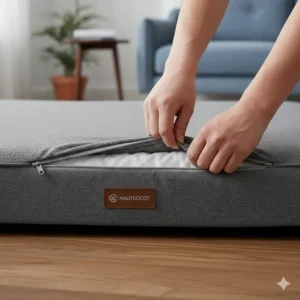
Step 2: Remove and Shake (2 minutes) Unzip covers carefully (watch for teeth getting caught in zippers—it happens!). Take covers outside and give them a vigorous shake. You’ll be amazed how much additional hair and dirt this dislodges. If you live in a flat without outdoor access, shake over your bathtub.
Step 3: Spot Check the Foam (1 minute) With covers removed, inspect the memory foam itself:
- Look for any dampness (indicates liner failure)
- Check for unusual odours
- Examine for any damage or tears
- Feel for firmness—foam should spring back when pressed
If foam feels damp, investigate immediately—waterproof liners may need replacement.
Step 4: Air the Foam (30 minutes passive) Whilst covers wash, let the foam air out. If weather permits, place it in a sunny spot outdoors (sunlight naturally kills bacteria). UV rays work wonders! In winter, position near a window or simply leave in a well-ventilated room.
Step 5: Machine Wash Covers (45 minutes) Load covers into your washing machine. Follow these guidelines:
Temperature: 60°C minimum (verify care label allows this) Detergent: Pet-safe, fragrance-free products
- Avoid heavily scented detergents (dogs’ sensitive noses find them overwhelming)
- Never use fabric softener (reduces water-resistant properties)
- Consider adding white vinegar (120ml) to rinse cycle for odour neutralisation
Washing Tips:
- Wash pet bedding separately from human clothes
- Run empty cycle afterwards if heavily soiled
- Check and clean washing machine filter after cycle
- Wipe rubber seal to remove trapped hair
Step 6: Drying (variable) Machine Drying: If care label permits, tumble dry on low heat (saves time). Benefits:
- Kills any remaining dust mites
- Fluffs up fabric fibres
- Faster turnaround
Drawbacks:
- Higher energy consumption
- Potential shrinkage if temperature too high
- Can reduce fabric lifespan over time
Air Drying: More gentle, eco-friendly option:
- Hang outdoors in sunshine (ideal)
- Use clothes drying rack indoors
- Position near radiators (not directly on—can damage certain fabrics)
- Typically requires 4-8 hours depending on fabric thickness
Critical: Ensure covers are 100% dry before reassembling. Even slight dampness can cause mould growth in foam.
Step 7: Reassemble and Replace (5 minutes) Once covers are completely dry:
- Refit waterproof liner over foam (ensure it’s taut and properly positioned)
- Pull outer cover over liner
- Zip up carefully (avoid catching liner material in zipper)
- Plump and adjust to restore shape
Place the bed back in your dog’s favourite spot and watch them immediately claim it—there’s something magical about fresh bedding!
Deep Cleaning Protocol (Monthly)
Once monthly, go beyond routine maintenance with these additional steps:
Foam Deep Clean: Memory foam itself shouldn’t be fully immersed in water, but you can spot clean:
- Mix mild detergent with water (very diluted—think bubble bath strength)
- Dip cloth in solution, wring thoroughly (barely damp, not wet)
- Gently blot any stained areas on foam
- Immediately blot with dry cloth to absorb moisture
- Allow 24-48 hours drying time before replacing covers
Disinfecting: For thorough sanitisation:
- Spray waterproof liner with pet-safe disinfectant
- Wipe down completely
- Allow proper contact time per product instructions
- Rinse or wipe clean as directed
- Ensure total dryness before use
Odour Elimination: If persistent odours linger despite washing:
- Sprinkle bicarbonate of soda liberally over foam
- Leave for 3-4 hours (or overnight)
- Vacuum thoroughly
- Repeat if needed
Bicarbonate of soda naturally neutralises odours without chemicals—brilliant for sensitive dogs.
Dealing with Accidents and Stains
Even well-trained dogs occasionally have accidents. Quick action prevents permanent damage:
Immediate Response (Within 30 Minutes):
- Remove your dog from the area (prevent additional soiling)
- Blot—never rub—excess liquid with paper towels
- Apply pressure to absorb as much as possible
- Remove covers if accident penetrated to waterproof liner
Enzymatic Cleaner Treatment: Pet-specific enzymatic cleaners break down urine compounds at molecular level:
- Apply generously to affected area
- Follow product contact time (usually 10-15 minutes)
- Blot excess
- Allow to air dry
- Wash covers as normal
Why Enzymatic Cleaners Matter: Regular household cleaners mask odours temporarily. Enzymatic formulas actually eliminate the organic compounds causing smells, preventing dogs from re-marking the same spot (dogs can detect scents humans miss completely).
For Stubborn Stains: Create a paste using:
- 3 parts bicarbonate of soda
- 1 part hydrogen peroxide (3% solution)
- Drop of washing-up liquid
Apply to stain, let sit 30 minutes, then wash normally. Test on inconspicuous area first!
Extending Your Bed’s Lifespan
Rotation Strategy: Just like mattresses, rotating dog beds extends their life:
- Turn covers inside-out between washes (distributes wear)
- Flip foam monthly (if design allows)
- Rotate bed 180° fortnightly (prevents uneven compression)
UV Protection: Direct prolonged sunlight fades fabrics and can degrade foam:
- Position beds away from south-facing windows
- Use blinds during peak sun hours
- Outdoor airing sessions are fine (UV bacteria-killing benefit outweighs brief exposure)
Preventative Measures:
- Trim your dog’s nails regularly (prevents snagging)
- Use washable blankets atop bed during muddy seasons
- Keep bed raised off cold floors (prevents moisture absorption)
- Address chewing behaviour promptly (redirect to appropriate toys)
Storage During Replacement: If rotating between multiple beds:
- Store clean, completely dry covers in breathable fabric bags
- Never store in plastic (traps moisture, promotes mould)
- Place foam vertically rather than stacked (prevents compression)
Health Benefits for Dogs with Arthritis
Understanding Canine Arthritis
Arthritis—or osteoarthritis, as veterinarians term it—represents one of the most prevalent health challenges facing UK dogs today. This degenerative joint disease affects approximately 200,000 dogs annually in Britain alone, according to recent epidemiological studies.
Arthritis causes progressive deterioration of joint cartilage, the smooth tissue that allows bones to glide past each other during movement. As this cartilage wears away, bones begin rubbing directly against each other, creating inflammation, pain, and stiffness. Over time, the body responds by producing extra bone growth around the joint—ironically worsening the problem by further restricting movement.
High-Risk Breeds: Genetics play a significant role in arthritis development. Research identifies these breeds as particularly susceptible:
- Labrador Retrievers (most commonly affected UK breed)
- Golden Retrievers
- German Shepherds
- Rottweilers
- Border Collies (working lines especially)
- Springer Spaniels
Larger breeds generally show higher incidence due to increased joint stress from body weight. Additionally, crossbreeds may inherit predispositions from either parent breed.
Age Factors: Whilst arthritis commonly affects senior dogs (8+ years), it’s not exclusively an old-age condition. Dogs can develop arthritis at any life stage due to:
- Inherited joint abnormalities (hip dysplasia, elbow dysplasia)
- Previous injuries (cruciate ligament damage, fractures)
- Repetitive high-impact activities
- Obesity placing excessive joint strain
Veterinary screening schemes operated by organisations like the British Veterinary Association help identify genetic predispositions early, allowing preventative measures.
How Memory Foam Alleviates Pressure Points
The relationship between sleep surface and arthritis management is profound yet often overlooked. Traditional beds—even well-padded ones—create pressure points where bony prominences (elbows, hips, shoulders) contact firm surfaces. For arthritic dogs, these pressure points exacerbate pain and disrupt restorative sleep.
The Memory Foam Advantage:
Even Weight Distribution: Memory foam’s cellular structure distributes your dog’s weight across the entire contact surface rather than concentrating it at specific points. Imagine the difference between lying on a pile of tennis balls (concentrated pressure) versus floating in water (distributed support). Memory foam mimics the latter.
Custom Contouring: As foam warms from body heat, it softens and moulds precisely to your dog’s unique shape. This creates a customised support system that:
- Cradles painful joints
- Supports the spine in natural alignment
- Reduces strain on muscles compensating for joint pain
- Allows unrestricted blood circulation
Pressure Point Relief: Studies using pressure-mapping technology demonstrate that memory foam reduces pressure at critical points by 30-50% compared to standard foam beds. For an arthritic dog, this translates to:
- Less pain during sleep
- Reduced stiffness upon waking
- Improved sleep quality (fewer position changes during night)
- Better overall mobility
Temperature Sensitivity Benefits: Memory foam responds to temperature, becoming more pliable where contact is closest. This means joints receiving the most pressure get the most contouring—exactly where it’s needed most.
Clinical Evidence and Veterinary Recommendations
Whilst comprehensive UK clinical trials specifically on dog beds remain limited, veterinary consensus strongly supports orthopaedic bedding for arthritic patients.
Professional Guidance: Blue Cross veterinary advisors recommend providing arthritic dogs with “a comfortable, well-padded bed” as part of multimodal arthritis management. They note that supportive bedding helps dogs rest more comfortably, which is crucial since many arthritic dogs struggle to settle.
Canine Arthritis Management (CAM), a veterinarian-led organisation, emphasises environmental modifications including appropriate bedding as essential components of pain management. They note that whilst medication addresses inflammation and pain, practical measures like supportive beds tackle the physical mechanics of discomfort.
Multimodal Management Approach: Veterinarians increasingly advocate “multimodal” arthritis management—addressing the condition from multiple angles simultaneously:
- Medication (NSAIDs, pain relief)
- Weight management (reducing joint stress)
- Controlled exercise (maintaining muscle strength)
- Dietary supplements (joint support)
- Environmental modifications (including supportive bedding)
Memory foam beds contribute significantly to the environmental modification pillar. They’re not miracle cures, but they’re crucial pieces of the overall management puzzle.
Owner Observations: Anecdotal evidence from British dog owners consistently reports:
- Dogs with arthritis showing increased willingness to rest
- Reduced morning stiffness
- Less difficulty rising from bed
- Longer sleep periods without position changes
- Overall improved quality of life markers
Whilst these observations don’t constitute clinical proof, the consistency of reports suggests genuine benefit.
Positioning and Accessibility Considerations
Even the most luxurious memory foam bed fails if your arthritic dog can’t access it comfortably.
Lower Entry Heights: Dogs with mobility challenges need beds they can step onto without jumping. Look for:
- Maximum height 15-20cm for small/medium dogs with arthritis
- 20-25cm for larger breeds (they need thicker foam but also longer legs provide reach)
- Lower front edges or dropped sides
- Consider beds with subtle ramps if jumping remains difficult
Strategic Placement: Where you position the bed matters enormously:
Avoid:
❌ Bottom of stairs (painful climb just to reach bed)
❌ Cold drafty areas near doors
❌ Slippery floors where dogs struggle for traction approaching bed
❌ Isolated rooms away from family (social comfort aids pain management)
Prefer:
✅ Warm, draft-free corners
✅ Areas with natural light (vitamin D benefits, mood enhancement)
✅ Main living spaces where family gathers (social stimulation
) ✅ Near water bowls (reduces need for painful trips)
✅ Floors with rugs or non-slip surfaces for safe approach
Multiple Bed Strategy: Consider providing several beds in different locations:
- Primary bed in main living area for daytime rest
- Bedroom bed for nighttime (many arthritic dogs appreciate sleeping near owners)
- Outdoor covered patio bed (weather permitting) for fresh air enjoyment
The investment in multiple beds prevents your dog from choosing hard floors when their main bed isn’t conveniently located.
Microclimate Control: Arthritis symptoms often worsen in cold, damp conditions. Help your dog by:
- Raising beds slightly off floor (prevents cold creeping up from below)
- Positioning away from radiators (extreme heat isn’t healthy either)
- Using optional heated pads beneath bed in winter (on low setting)
- Ensuring good air circulation (prevents dampness accumulation)
Common Mistakes to Avoid
Sizing Errors
I’ve watched countless friends proudly purchase beautiful dog beds, only to have their pups completely ignore them. Usually, the culprit? Incorrect sizing. Let’s prevent that disappointment.
Mistake #1: Assuming Breed Size = Bed Size
Your Cocker Spaniel might be classified as “medium,” but does he sleep curled in a tight ball or stretched out like a furry starfish? Sleeping position trumps breed classification every time.
The Reality:
- Curlers: Can use beds closer to minimum size recommendations
- Sprawlers: Need 25-30cm additional length beyond measurement
- Position-changers: Opt for larger sizes (they rotate during sleep)
Mistake #2: Buying for Current Size (Puppies)
Your adorable 8-week-old Labrador won’t stay that size for long! Large breed puppies grow astonishingly fast—sometimes gaining 2kg weekly during growth spurts.
Smart Strategy:
- Purchase appropriately sized bed for current stage
- Accept it’s temporary (budget accordingly)
- Transition to adult-sized bed around 10-12 months
- Alternatively, buy adult size and add rolled blankets to create “walls” temporarily
Mistake #3: Ignoring Bed Thickness
A low-profile bed might fit aesthetically in your chosen space, but does it provide adequate cushioning? General guidelines:
- Small dogs: Minimum 5cm foam thickness
- Medium dogs: Minimum 7.5cm thickness
- Large dogs: Minimum 10cm thickness
- Giant breeds: Ideally 12.5-15cm thickness
Thicker isn’t always better—extremely thick beds can create accessibility challenges for short-legged or arthritic dogs.
Cover Care Catastrophes
You’ve invested in a quality bed. Don’t sabotage it with poor cover care!
Mistake #4: Using Wrong Washing Temperature
“Hot water cleans better, right?” Not necessarily—and it might destroy your covers.
The Problem:
- Excessive heat shrinks fabrics
- High temperatures can melt waterproof coatings
- Some synthetic materials degrade above 40°C
The Solution:
- Always read care labels before first wash
- Default to 60°C for bacteria-killing benefits (if label allows)
- Use 30-40°C for delicate or specialty fabrics
- When unsure, choose cooler temperature and use antibacterial detergent
Mistake #5: Fabric Softener and Bleach
Both seem like logical additions—softener for comfort, bleach for whitening. Both are terrible ideas for dog bed covers.
Why Avoid Fabric Softener:
- Coats fibres, reducing absorbency
- Destroys water-resistant properties
- Can irritate sensitive dog skin
- Leaves residue attracting more dirt
Why Avoid Bleach:
- Harsh chemicals harmful if dogs lick bedding
- Weakens fabric fibres over time
- Can damage waterproof liners
- Strong smell overwhelming for dogs’ sensitive noses
Better Alternatives:
- White vinegar (120ml in rinse cycle) softens naturally whilst removing odours
- Bicarbonate of soda (add to wash) brightens fabrics safely
- Oxygen-based bleaches (pet-safe formulas) for stubborn stains
Mistake #6: Insufficient Drying
Throwing slightly damp covers back on foam seems harmless—until mould appears. Mould spores pose serious health risks, particularly for immunocompromised dogs or those with respiratory issues.
Ensuring Complete Dryness:
- Tumble dry until completely dry (check seams and corners—they dry last)
- Air-dried covers: Feel thoroughly, especially thick sections
- Uncertain? Err on side of caution and dry longer
- Never put covers on foam if any dampness remains
Foam Degradation Accelerators
Memory foam can last 5+ years with proper care or degrade within months if mistreated. Avoid these foam killers:
Mistake #7: Washing Foam Directly
I know it’s tempting when your dog has an accident, but never:
- Machine wash memory foam (destroys cellular structure)
- Fully immerse in water (impossibly difficult to dry completely)
- Use harsh chemicals directly on foam
Instead:
- Spot clean with barely-damp cloth
- Use enzyme cleaners sparingly
- Rely on waterproof liners as primary protection
- Consider foam replacement if heavily soiled (rather than attempting deep clean)
Mistake #8: Direct Sunlight Exposure
Brief outdoor airing provides beneficial UV bacteria-killing—fantastic! Leaving beds in direct sun for hours causes:
- Foam breakdown (UV degrades cellular structure)
- Fabric fading and weakening
- Excessive drying leading to brittleness
Safe Sun Exposure:
- 1-2 hours maximum
- Morning or evening sun (less intense)
- Turn covers inside-out for UV sanitisation
- Position foam in shade whilst covers sun
Mistake #9: Storage Errors
If rotating beds seasonally or storing temporarily:
Never:
❌ Vacuum-pack foam (compression damage permanent)
❌ Store in damp environments (basements, garages)
❌ Stack heavy items atop foam
❌ Keep in plastic bags (traps moisture)
Always:
✅ Store in breathable fabric bags
✅ Position vertically (prevents compression)
✅ Choose dry, temperature-stable locations
✅ Ensure completely clean and dry before storage
Maximising Value: Tips and Tricks
Seasonal Rotation Strategies
British weather’s unpredictable nature—crisp mornings giving way to afternoon sunshine, sudden downpours disrupting outdoor plans—demands flexible solutions. Savvy dog owners adapt their bedding strategies accordingly.
Summer Setup (May-September):
During warmer months, many dogs struggle with overheating, particularly thick-coated breeds like Huskies, Newfoundlands, or Rough Collies.
Cooling Adaptations:
- Choose Oxford fabric covers over Sherpa/fleece (better air circulation)
- Position beds away from direct sunlight
- Consider elevating beds slightly for underneath airflow
- Some owners add cooling gel pads atop memory foam (removable for washing)
- Egg crate foam designs provide superior temperature regulation
Lightweight Extras: Swap heavy blankets for:
- Thin cotton throws (washable, breathable)
- Cooling mats (placed atop bed, not underneath—memory foam needs contact)
- Reduced layering overall
Winter Strategy (October-April):
UK winters, whilst milder than continental climates, still bring damp cold that penetrates homes, particularly those with single-glazed windows or poor insulation.
Warmth Enhancements:
- Switch to Sherpa or fleece covers for insulation
- Add washable wool blankets atop bed
- Position beds away from drafty doors and windows
- Consider optional heated pads beneath bed (low setting, timer-controlled)
- Elevate beds using optional feet/legs (prevents cold floor contact)
Draft Protection:
- Position beds in corners (two walls block drafts)
- Use decorative screens to create cosy nooks
- Avoid placing near frequently-opened doors
Transition Seasons (Spring/Autumn):
These unpredictable months require flexibility:
- Keep both winter and summer covers available
- Swap based on weekly forecasts
- Layer removable blankets for easy adjustment
Creating a Spare Cover System
Here’s a game-changing investment: purchasing spare covers. Sounds excessive? It’s genuinely transformative for maintaining hygiene without the stress.
Why Multiple Covers Matter:
Scenario: Your dog romps through muddy puddles Saturday afternoon, coating his bed in wet filth. You wash the cover, but it won’t dry until Monday. Where does he sleep meanwhile?
Solution: With spare covers, you:
- Remove soiled cover immediately
- Replace with fresh spare
- Wash soiled cover at your convenience
- Rotate covers regularly (distributes wear evenly)
Investment Analysis:
Most brands sell replacement covers for £20-£50 depending on size. Purchasing two spares costs less than early bed replacement due to cover degradation.
Rotation Schedule:
- Week 1: Use Cover A
- Week 2: Wash Cover A, use Cover B
- Week 3: Wash Cover B, use Cover C
- Week 4: Wash Cover C, use Cover A
- Repeat cycle
Each cover gets washed fortnightly but rests 2-3 weeks between uses—significantly extending lifespan.
DIY Hygiene Boosters
Why spend unnecessarily when household items work brilliantly?
Bicarbonate of Soda Magic:
This versatile powder deserves permanent residence in your pet care arsenal:
Odour Neutralisation:
- Sprinkle liberally over foam between cover changes
- Leave 3-4 hours (or overnight)
- Vacuum thoroughly
- Neutralises rather than masks odours
Washing Booster:
- Add 60g to wash cycle with covers
- Brightens fabrics naturally
- Enhances detergent effectiveness
- Costs pennies per use
White Vinegar Applications:
Don’t let the initial smell deter you—vinegar odour dissipates completely as it dries.
Fabric Softening:
- Add 120ml to washing machine’s rinse cycle
- Softens fabrics without chemical residues
- Safe for dogs (unlike commercial softeners)
- Naturally antibacterial
Stain Treatment:
- Mix equal parts white vinegar and water
- Spray on stains before washing
- Particularly effective on urine odours
- Prevents re-marking behaviour
Natural Disinfecting Spray:
Create your own pet-safe spray:
Recipe:
- 500ml water
- 120ml white vinegar
- 10 drops lavender essential oil (pet-safe, calming)
- 5 drops tea tree oil (antimicrobial)
Usage:
- Spray waterproof liners between washes
- Lightly mist covers for freshening (test small area first)
- Never use directly on foam
- Store in spray bottle, shake before each use
Sunlight Sanitisation:
Free, eco-friendly, incredibly effective—sunshine’s UV rays naturally kill:
- Bacteria
- Dust mites
- Mould spores
- Parasite eggs
Optimal Method:
- Remove covers and foam
- Position in direct sunlight
- Turn/flip every 30 minutes
- Maximum 2 hours exposure
- Best results: midday sun (strongest UV)
Multi-Dog Household Considerations
Owning multiple dogs multiplies both joy and logistical challenges. Smart planning prevents bedding chaos.
Shared vs. Individual Beds:
When Sharing Works:
- Dogs of similar sizes
- Bonded pairs who sleep cuddled together
- Littermates comfortable with contact
- Space-constrained homes
Required Features:
- Extra-large sizing (accommodate both comfortably)
- Reinforced construction (double the wear)
- Frequent washing capability (double the dirt)
When Separate Beds Essential:
- Size mismatches (large dog might squash smaller companion)
- Resource guarding tendencies
- Different temperature preferences
- Medical conditions requiring specific support
Budget-Friendly Multi-Dog Solutions:
Mix Quality Levels:
- Premium bed for senior or arthritic dog
- Mid-range for healthy adult
- Budget option for young, destructive pup
Stagger Replacements:
- Purchase beds 6-12 months apart
- Spread costs over time
- Avoid simultaneous replacement expenses
Bulk Ordering Benefits: Some retailers offer discounts for multiple bed purchases—worth enquiring about!
Protecting Your Investment
Temporary Protection Layers:
During particularly muddy seasons or when dogs are unwell:
Washable Blanket Barriers:
- Place heavy-duty washable blanket atop bed
- Dog interacts with blanket, not bed cover
- Wash blanket 2-3 times weekly
- Extends bed cover lifespan significantly
Waterproof Pads: For incontinent or ill dogs:
- Washable waterproof pads (similar to those for elderly humans)
- Position atop bed
- Quick changes when soiled
- Protects bed from accidents
Monitoring Wear Patterns:
Regularly inspect for:
- Zipper degradation (teeth missing, difficult operation)
- Seam separation (stitching failure)
- Fabric thinning (particularly high-contact areas)
- Foam compression (check by pressing—should spring back within 3-5 seconds)
Early detection prevents minor issues escalating to replacement necessities.
When to Replace vs. Repair:
Replace If:
- Foam no longer rebounds (permanent compression)
- Waterproof liner fails (moisture reaching foam)
- Cover damage exceeds 15-20% of surface
- Persistent odours despite deep cleaning
- Dog suddenly avoiding bed (might indicate discomfort)
Repair Options:
- Small zipper issues: Replace zipper professionally (often £15-£25)
- Minor cover tears: Patch with iron-on fabric patches
- Slight compression: Add supplementary foam layer
- Odour problems: Professional ozone treatment (specialist pet cleaners offer this)
Frequently Asked Questions (FAQs)
❓ How often should I wash my dog's memory foam bed?
❓ Can I wash the memory foam itself?
❓ Are washable memory foam beds suitable for puppies?
❓ How do I know if my elderly dog needs a memory foam bed?
❓ What thickness of memory foam do I need for my dog?
Conclusion: Making the Right Choice for Your Companion
After exploring everything from foam densities to washing protocols, I hope you feel equipped to make an informed decision about your dog’s sleeping arrangements. Let me leave you with the insights that matter most.
The Investment Perspective:
A washable memory foam dog bed isn’t merely a purchase—it’s an investment in your companion’s health, comfort, and longevity. When you consider that dogs spend over half their lives sleeping, doesn’t it make sense to ensure those hours are spent in supportive comfort? The difference between a flattened, basic bed and quality memory foam could mean:
- Reduced arthritis pain progression
- Better sleep quality leading to improved mood and behaviour
- Fewer vet visits for mobility issues
- Extended active years enjoying life alongside you
Yes, premium beds cost £150-£300, but amortised across 5+ years of daily use, that’s mere pounds monthly—less than your weekly coffee shop visits. And unlike that coffee, the bed continues providing benefits every single day.
Hygiene Makes or Breaks Success:
I cannot overstate this: the best bed in the world becomes a health hazard without proper maintenance. The washability feature only delivers benefits if you actually use it! Establish your cleaning routine before bringing the bed home—mark calendar reminders, set phone alarms, whatever works for your lifestyle. Remember:
- Weekly cover washing prevents bacteria accumulation
- Monthly deep cleaning maintains freshness
- Quick accident response prevents permanent damage
- Proper drying prevents mould growth
These habits transform a good bed into an excellent long-term solution.
Matching Bed to Dog:
There’s no universal “best” washable memory foam dog bed—only the best bed for your specific dog. Consider:
- Puppies: Budget-friendly with excellent waterproofing
- Healthy adults: Balance durability with comfort
- Senior dogs: Maximum orthopaedic support, easy access
- Arthritic dogs: Thick, firm memory foam with low entry
- Allergy-prone: Hypoallergenic materials, frequent washing capability
Taking Action:
Don’t let perfect become the enemy of good. Researching endlessly postpones the benefits your dog could be experiencing now. If you’ve identified a bed meeting your criteria within budget, trust your judgement and move forward.
Remember: you can always:
- Add spare covers later
- Supplement with blankets seasonally
- Upgrade in future if circumstances change
- Return within trial periods (many brands offer 30-day guarantees)
Final Thoughts:
Your dog has given you unconditional love, joyful greetings, and unwavering loyalty throughout your relationship. Providing them comfortable, supportive, hygienic rest is a small way to reciprocate that devotion. Whether you choose the budget-friendly Bedsure, the eco-conscious Baker & Bray, the premium Omlet, or any option in between, your dog will appreciate the upgrade from whatever makeshift bedding they’ve tolerated thus far.
Sleep well, furry friends. You deserve it.
Recommended for You
- 7 Best British Wool Dog Beds – Superior Comfort 2026
- 7 Best Personalised Dog Bed with Name Options in 2026
- Are Premium Dog Bed Worth It? 7 Best Luxury Options UK 2026
Disclaimer: This article contains affiliate links. If you purchase products through these links, we may earn a small commission at no additional cost to you. Prices shown are approximate and may vary.
✨ Found this helpful? Share it with your mates! 💬🤗
