
In This Article
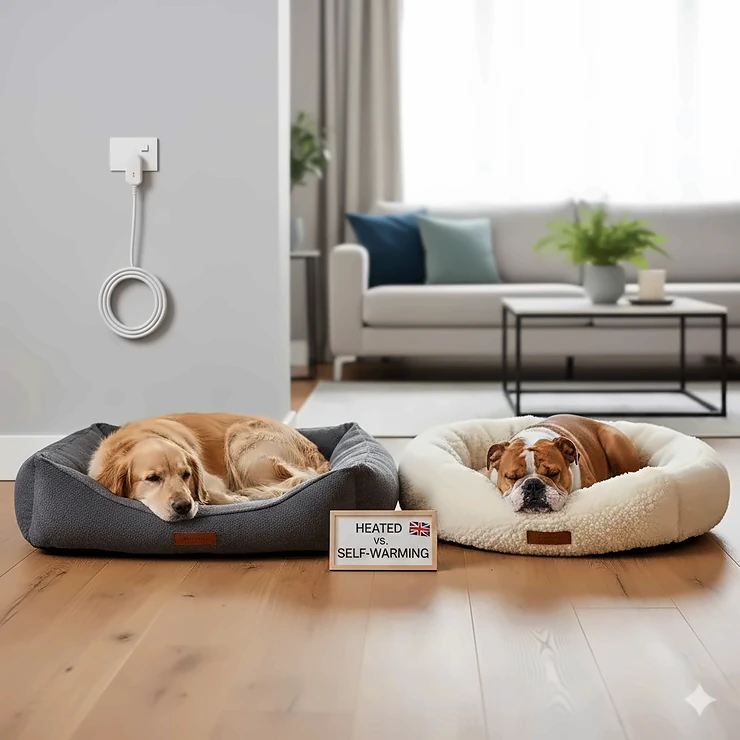
When the frosty British weather sets in, keeping your dog warm becomes a top priority. The heated vs self warming dog bed debate has puzzled UK pet owners for years, and with good reason—both options offer distinct advantages for your canine companion. Whether you’ve got an elderly Labrador suffering from arthritis or a thin-coated Whippet who shivers at the slightest chill, understanding these warming solutions can transform your pup’s comfort during those long winter months.
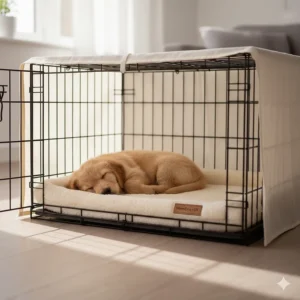
The difference between heated and self-warming beds is quite straightforward, yet the implications for your dog’s wellbeing are significant. Traditional heated dog beds use electricity to generate consistent warmth, typically reaching temperatures around 38.9°C (102°F)—matching your dog’s natural body temperature. In contrast, self-warming beds employ clever thermal technology, using reflective materials like Mylar to bounce your pet’s own body heat back to them, creating a cosy microclimate without any electrical components.
UK pet owners increasingly face the challenge of balancing comfort with energy efficiency, particularly as winter heating costs soar. According to the RSPCA, dogs need a clean, dry space with temperatures above 10°C, and many smaller or short-haired breeds require additional warmth. This comprehensive guide will explore heated vs self warming dog bed options, examining real products available on Amazon.co.uk, comparing safety considerations, energy efficiency, and helping you make an informed choice for your precious pooch.
Quick Comparison Table
| Feature | Heated Dog Beds | Self-Warming Dog Beds |
|---|---|---|
| Heat Source | Electric thermostat (plugged in) | Reflective thermal materials (no electricity) |
| Temperature | Consistent 38-40°C | Varies with pet’s body heat |
| Energy Cost | £0.10-£0.30/day (4-40 watts) | £0 (completely passive) |
| Best For | Arthritic/senior dogs, outdoor use, extreme cold | Chewers, puppies, mild weather, travel |
| Safety Concerns | Chewing risk, overheating potential | Minimal (no electrical hazards) |
| Price Range | £25-£65 | £10-£35 |
| Portability | Limited (requires power source) | Excellent (lightweight, foldable) |
💬 Just one click – help others make better buying decisions too!
✨ Don’t Miss These Exclusive Deals!
🔍 Take your dog’s comfort to the next level with these carefully selected products. Click on any highlighted item to check current pricing and availability on Amazon.co.uk. These beds will help create cosy warmth your furry friend will adore!
Top 7 Heated & Self-Warming Dog Beds: Expert Analysis
1. K&H Pet Products Thermo-Snuggly Sleeper
This American brand’s heated bed has become remarkably popular amongst UK pet owners, and for good reason. The K&H Thermo-Snuggly Sleeper uses an intelligent 6-watt thermostat that only activates to full temperature when your dog lies down, making it incredibly energy-efficient.
Key Specifications:
- Thermostatically controlled heating (warms to 38.9°C)
- Two sizes available: Medium (51cm x 66cm) and Large (61cm x 79cm)
- Removable fleece cover (machine washable)
Price: £45-£65
Customer Feedback: UK buyers praise its low energy consumption and safety features. One reviewer from Manchester noted her elderly Staffordshire Bull Terrier hasn’t left it since arrival. However, some customers report the bed requires a UK plug adaptor.
✅ Pros: Energy-efficient, MET safety tested, thermostatically controlled
✅ Pros: Orthopedic foam support for arthritic joints
✅ Pros: Removable heating element for summer use
❌ Cons: May need UK plug convertor
❌ Cons: Not suitable for aggressive chewers
Target User: Perfect for senior dogs with arthritis or those recovering from surgery who need consistent therapeutic warmth.

2. Scruffs Thermal Self-Heating Bed
British brand Scruffs has created something rather brilliant with their thermal range. The Scruffs Thermal Self-Heating Bed features a foam layer backed with reflective foil, sandwiched between quilted polyester fibres—essentially creating a heat trap that works without any electricity whatsoever.
Key Specifications:
- Self-heating reflective foil technology
- Super-soft fleece cover over thermal layer
- Non-slip base for stability
- Machine washable
Price: £22-£35
Customer Feedback: UK customers particularly appreciate the British design and build quality. A reviewer from Edinburgh mentioned it’s “absolutely perfect for our Greyhound who feels the cold terribly.” The non-slip base has been praised for use on laminate flooring.
✅ Pros: No electricity required (zero running costs)
✅ Pros: UK-designed specifically for British homes
✅ Pros: Excellent for dogs who chew cords
❌ Cons: Less effective for extremely cold environments
❌ Cons: Requires pet’s body heat to work effectively
Target User: Ideal for mild UK winters and dogs who chew electrical items, particularly suitable for apartments or caravans.
3. Ancol Self-Heating Pad
The Ancol Self-Heating Pad represents fantastic value for money whilst delivering impressive thermal retention. Another UK brand, Ancol has engineered this pad with heat-reflecting technology similar to space blankets, capturing and redirecting your pet’s body warmth.
Key Specifications:
- Heat-reflective Mylar-style material
- Three sizes: Small (45cm x 30cm), Medium (60cm x 45cm), Large (91cm x 64cm)
- Lightweight and portable design
- Suitable for crates, beds, or furniture
Price: £10-£18
Customer Feedback: British pet owners consistently rate this highly for its portability and effectiveness. A Devon-based customer uses it for camping trips with her Springer Spaniel, noting it “folds up beautifully and actually works.” Some users mention it’s relatively thin, so works best when placed inside an existing bed.
✅ Pros: Exceptionally affordable
✅ Pros: Lightweight and perfect for travel
✅ Pros: Can be cut to size for custom fit
❌ Cons: Thin padding (better as an insert)
❌ Cons: Less durable than enclosed beds
Target User: Budget-conscious owners or those needing a portable warming solution for holidays, caravans, or car journeys.
4. Pet Therapeutics Orthopaedic Heated Dog Bed
Combining therapeutic benefits with gentle warmth, the Pet Therapeutics Orthopaedic Heated Dog Bed has gained traction in the UK market for dogs requiring joint support alongside consistent heating.
Key Specifications:
- 25-watt heating element with thermostat
- 5cm thick orthopaedic foam
- Three heat settings
- Water-resistant cover
Price: £38-£52
Customer Feedback: UK customers with elderly or arthritic dogs report noticeable improvements in mobility. A Surrey owner notes her 12-year-old Golden Retriever “moves much easier in the mornings.” The water-resistant cover has been particularly appreciated by owners of incontinent senior dogs.
✅ Pros: Combines heat therapy with orthopaedic support
✅ Pros: Adjustable temperature settings
✅ Pros: Water-resistant for elderly dogs
❌ Cons: Higher wattage means increased running costs
❌ Cons: Bulkier and less portable
Target User: Senior dogs with arthritis, hip dysplasia, or other joint conditions requiring both support and therapeutic warmth.
5. Furhaven ThermaPup Self-Warming Thermal Insert
The Furhaven ThermaPup isn’t technically a complete bed, but rather a thermal insert that transforms any existing bed into a self-warming haven. This American product ships readily to the UK and offers exceptional versatility.
Key Specifications:
- Reflective thermal sheet (similar to emergency blankets)
- Available in multiple sizes (Small to X-Large)
- Can be folded or cut to shape
- Wipe-clean surface
Price: £12-£24
Customer Feedback: UK buyers love the flexibility this product offers. A London-based customer mentions using it in three different beds throughout her house, moving it wherever her Dachshund settles. The ability to cut it to size has been praised for unusual bed shapes.
✅ Pros: Transforms existing beds affordably
✅ Pros: Customisable size (can be cut)
✅ Pros: Easy to clean and maintain
❌ Cons: No padding (requires existing bed)
❌ Cons: Can shift around without proper placement
Target User: Pet owners who already have quality beds but want to add warming capabilities without replacing their dog’s favourite spot.
6. Pet Magasin Self-Heating Thermal Bed
The Pet Magasin Self-Heating Thermal Bed has become something of a quiet favourite amongst UK pet owners who want a complete self-warming solution without the premium price tag.
Key Specifications:
- Dual-layer thermal technology
- Plush quilted surface with sherpa fleece
- Four sizes available
- Non-slip bottom
Price: £16-£28
Customer Feedback: British customers frequently mention excellent value for money. A Glasgow reviewer states it “rivals beds three times the price.” The sherpa fleece has been particularly praised for its softness, though some note it attracts dog hair readily.
✅ Pros: Affordable complete bed solution
✅ Pros: Luxuriously soft materials
✅ Pros: Machine washable cover
❌ Cons: Sherpa fleece can mat over time
❌ Cons: Non-slip base less effective on carpet
Target User: Families seeking a complete self-warming bed at a budget-friendly price, particularly for indoor use on hard flooring.
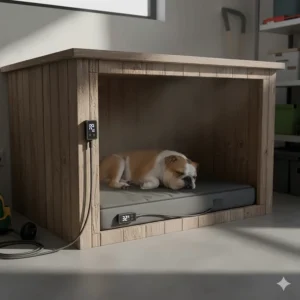
7. K&H Lectro-Soft Outdoor Heated Bed
For dogs who spend considerable time outdoors or in unheated spaces, the K&H Lectro-Soft Outdoor Heated Bed represents the gold standard in heated pet bedding available to UK customers.
Key Specifications:
- 40-watt heating element (outdoor rated)
- Thermostatically controlled
- Steel-wrapped cord (chew resistant)
- Water-resistant orthopedic foam
- Weather-resistant fleece cover
Price: £52-£68
Customer Feedback: UK customers with outdoor kennels or unheated garages rate this exceptionally highly. A Yorkshire customer uses it in her stable for a working Border Collie, noting it “withstands proper Yorkshire weather brilliantly.” The steel-wrapped cord has prevented chewing incidents, according to multiple reviews.
✅ Pros: Purpose-built for UK outdoor conditions
✅ Pros: Chew-resistant cord protection
✅ Pros: Weather-resistant materials throughout
❌ Cons: Higher initial investment
❌ Cons: Bulky for indoor use
Target User: Working dogs, kennel dogs, or pets in unheated outbuildings who require reliable warmth in harsh British weather conditions.
Self Heating Dog Bed How Does It Work: The Science Explained
Understanding how self-heating technology operates can help you appreciate whether it’s the right choice for your dog’s needs. The mechanism behind self-warming dog beds is elegantly simple yet remarkably effective, drawing upon the same principles used in emergency thermal blankets and high-performance outdoor gear.
The Thermal Reflection Principle
At the heart of every self-warming bed lies a special reflective layer, typically constructed from Mylar—a polyester film originally developed for the US Space Programme. According to research published on thermal materials, Mylar can reflect up to 97% of radiated body heat back towards its source, creating what scientists call a “microclimate” of warmth.
When your dog settles onto a self-warming bed, their body naturally emits infrared radiation (heat energy). In a standard bed, this warmth simply dissipates into the surrounding air. However, the reflective layer in a self-warming bed captures this thermal energy and bounces it directly back to your pet’s body. Think of it like a mirror for heat—just as a mirror reflects light, Mylar reflects thermal radiation.
Layer Construction Technology
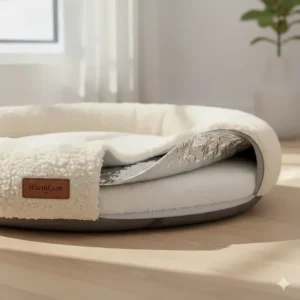
Quality self-warming beds employ a multi-layer construction approach. The first layer, often made from insulating materials like polyester fibres or foam, works to trap the heat that’s been reflected back. This insulation prevents the warmth from escaping into the floor beneath, ensuring maximum efficiency. The second layer, containing the reflective material, does the work of redirecting body heat. Finally, a soft comfort layer—usually fleece or plush fabric—provides a cosy surface whilst allowing heat to transfer through to the reflective core.
Effectiveness Variables
Several factors influence how well a self-warming bed performs. Your dog’s size plays a significant role; larger dogs generate more body heat, making these beds more effective for them. The ambient room temperature matters too—in extremely cold environments (below 5°C), self-warming beds may struggle to provide adequate warmth since they can only reflect existing body heat, not generate new warmth. The thickness of your dog’s coat also affects performance; thin-coated breeds like Whippets or Greyhounds benefit enormously, whilst thick-coated Huskies might not notice much difference.
According to pet safety guidelines, self-warming beds work best in temperatures above 10°C, providing gentle supplementary warmth rather than primary heating in extreme cold.
Thermostat Controlled Pet Bed: Understanding Active Heating Systems
Electric heated dog beds operate on fundamentally different principles to their self-warming cousins, employing active heating elements that generate warmth regardless of your pet’s body temperature. Let’s examine how these sophisticated systems function and what makes them particularly beneficial for certain dogs.
Thermostat Technology Explained
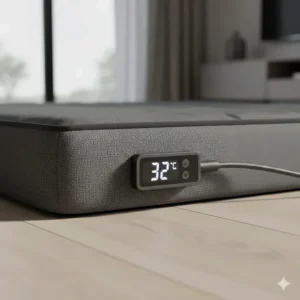
Modern heated pet beds incorporate thermostatic controls that automatically regulate temperature, preventing overheating whilst maintaining consistent warmth. The thermostat contains a temperature sensor that monitors the bed’s surface temperature continuously. When the bed reaches the preset temperature—typically around 38.9°C (102°F), matching a dog’s natural body temperature—the heating element automatically switches off. As the bed cools slightly, the thermostat reactivates the heater, creating a cycling pattern that maintains optimal warmth.
K&H Pet Products, a leader in heated pet bedding, utilises particularly clever technology in their products. Their beds actually detect when your dog is present through pressure sensors. When your pet lies down, the bed warms to full temperature; when they leave, it drops to an eco-mode that maintains just 5-7°C above room temperature. This intelligent design dramatically reduces energy consumption whilst ensuring instant comfort when your dog returns to their bed.
Wattage and Energy Consumption
Heated dog beds available in the UK typically range from 4 watts (for small indoor beds) to 40 watts (for outdoor or large breed options). To put this in perspective, a 6-watt heated bed running continuously costs approximately £0.12 per day at current UK electricity rates (assuming £0.34 per kWh). That’s roughly £3.60 per month—less than a single trip to the local coffee shop. Even the higher-wattage 40-watt outdoor beds cost around £0.30 per day, or £9.00 monthly.
Compared to running a space heater (typically 1,500 watts) or leaving central heating on in a single room, heated dog beds represent remarkably economical solutions for keeping your pet warm. The Royal Society for the Prevention of Cruelty to Animals recommends maintaining spaces above 10°C for dogs, and heated beds accomplish this efficiently without warming entire rooms unnecessarily.
Safety Certifications and Standards
Reputable heated pet beds sold in the UK should carry appropriate safety certifications. Look for MET (Intertek Testing Services) or CE (Conformité Européenne) markings, which indicate the product has undergone rigorous electrical safety testing. Following Brexit, UK-specific UKCA (UK Conformity Assessed) marking has become relevant for products sold in Great Britain.
These certifications ensure the bed’s electrical components are properly insulated, the cord is adequately protected, and the heating element cannot reach dangerous temperatures. Veterinary professionals widely recommend heated beds from certified manufacturers, as inferior products lacking proper certification have been associated with burns, electrical fires, and other hazards.
Thermal Dog Bed for Winter: Seasonal Considerations
British winters present unique challenges for our canine companions, with temperatures frequently dropping below 5°C and dampness adding to the chill. Understanding how to leverage heated vs self warming dog bed options throughout the season can significantly improve your dog’s comfort and wellbeing.
UK Climate Challenges
Unlike the consistent deep freezes experienced in some continental climates, UK winters are characterised by variable temperatures, high humidity, and persistent dampness. According to Pets4Homes temperature guidelines, most dogs find temperatures between 5-15°C comfortable, though smaller or elderly dogs may need protection below 10°C.
The dampness factor is particularly relevant for British pet owners. Moisture dramatically increases heat loss—a wet dog loses body heat approximately 25 times faster than a dry one. This makes the choice of bed material crucial. Self-warming beds with fleece or plush covers tend to wick moisture away from your dog’s body, whilst heated beds with water-resistant covers actively dry out dampness through gentle warmth.
Breed-Specific Winter Needs
Different breeds have vastly different winter requirements. Short-coated breeds like Staffordshire Bull Terriers, Greyhounds, and Whippets feel the cold acutely and benefit enormously from heated beds, particularly if they sleep in unheated rooms or conservatories. These dogs simply don’t generate enough insulation through their coats to maintain comfortable body temperatures in typical UK winter conditions.
Conversely, thick-coated breeds like Huskies, Malamutes, and Saint Bernards are naturally adapted to cold weather. For these breeds, self-warming beds often provide sufficient supplementary warmth without risk of overheating. Their dense undercoats already trap body heat effectively, and the reflective technology in self-warming beds simply enhances this natural insulation.
Senior dogs and puppies represent special cases. Elderly dogs often suffer from arthritis, which worsens in cold weather, making heated beds with consistent warmth particularly therapeutic. Puppies, whose temperature regulation hasn’t fully developed, can benefit from either option, though self-warming beds are generally safer due to the absence of electrical components that curious pups might chew.
Strategic Bed Placement
Where you position your dog’s winter bed matters enormously. Avoid placing beds near draughty doorways, single-pane windows, or directly on cold tiled or stone floors. If using a self-warming bed on cold flooring, place an insulating layer (like a thick blanket or yoga mat) underneath to prevent heat loss through the floor.
For heated beds, ensure the power socket is easily accessible and that the cord routing doesn’t create a tripping hazard. Never place heated beds in damp areas like unheated porches without ensuring they’re specifically rated for such conditions. The K&H Lectro-Soft Outdoor beds are among the few genuinely suitable for truly damp British outdoor spaces.
Consider creating a “warm zone” for your dog by positioning their bed away from external walls and in areas that naturally retain heat, such as interior corners or near (but not directly against) radiators.
Heat Reflecting Dog Bed: Material Science & Construction
The effectiveness of any warming dog bed—whether heated or self-warming—depends heavily on the materials used and how they’re constructed. Understanding these technical aspects helps you evaluate product quality and predict real-world performance.
Mylar and Thermal Reflective Materials
Mylar, a biaxially-oriented polyethylene terephthalate (BoPET) film, forms the cornerstone of most self-warming bed technology. Originally developed by DuPont in the 1950s, this material gained fame through its use in NASA’s space programme for thermal control of spacecraft and astronaut suits. Its ability to reflect infrared radiation whilst remaining lightweight and flexible makes it ideal for pet bedding applications.
The reflective properties of Mylar work through a process called specular reflection. When infrared radiation (heat) from your dog’s body encounters the Mylar layer, the metallic coating on the film’s surface reflects it back rather than absorbing it. This creates what thermal engineers call a “radiant barrier”—essentially a one-way valve for heat that keeps warmth on your dog’s side of the barrier.
Quality self-warming beds use Mylar sheets layered between insulating materials. The insulation serves two purposes: it provides physical comfort (Mylar alone would be uncomfortable to lie on) and it traps the reflected heat, preventing it from re-radiating away. Think of it like a greenhouse effect in miniature—heat goes in easily but struggles to escape.
Orthopaedic Foam Integration
Many premium heated beds incorporate orthopaedic memory foam, which provides additional benefits beyond warmth. Memory foam responds to body heat and pressure, moulding to your dog’s body shape and distributing weight evenly across the sleeping surface. For arthritic or elderly dogs, this pressure relief can be as therapeutically valuable as the warmth itself.
The combination of consistent gentle heat (38-40°C) with memory foam support creates an ideal environment for dogs with joint issues. The warmth increases blood circulation to affected joints, reducing stiffness and pain, whilst the foam prevents pressure points that could exacerbate discomfort. According to veterinary thermal therapy research, maintaining body temperature around 38.9°C encourages circulation and eases muscle pain in active or arthritic pets.
Cover Materials and Washability
The outer cover material significantly impacts both comfort and maintenance. Common materials include:
Fleece: Excellent warmth-to-weight ratio, soft against skin, wicks moisture reasonably well. However, it can pill over time and attracts dog hair like a magnet.
Sherpa: Luxuriously soft with superior heat retention. More durable than fleece but harder to clean thoroughly. Best for indoor use only.
Plush Polyester: Balanced option offering decent warmth, reasonable durability, and easier maintenance. Less prone to matting than fleece.
Water-Resistant Fabrics: Essential for elderly or incontinent dogs. Usually polyester-based with water-repellent treatment. These don’t breathe as well, potentially causing overheating in some situations.
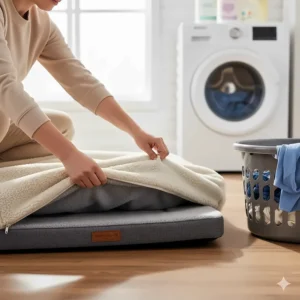
The ability to remove and machine wash covers is non-negotiable. Dogs shed, drool, and track outdoor mess onto their beds. Look for beds with zip-off covers that withstand regular 30-40°C machine washing. Some heated beds allow you to remove the heating element entirely for thorough washing—a feature worth paying extra for.
Passive vs Active Heating: Comprehensive Comparison
The heated vs self warming dog bed decision ultimately boils down to choosing between passive and active heating systems. Each approach has distinct advantages and limitations that make them suitable for different situations.
When Self-Warming (Passive) Excels
Self-warming beds shine in several scenarios. For puppies and aggressive chewers, the absence of electrical cords eliminates a significant safety hazard. Young dogs explore their world with their mouths, and even chew-resistant cords present some risk. Self-warming beds remove this concern entirely.
Travel situations favour passive heating dramatically. Whether you’re camping in the Lake District, visiting relatives, or staying in a pet-friendly B&B, self-warming beds work anywhere without requiring power sockets. They’re lightweight, often foldable, and can be tucked into a car boot without any setup beyond unpacking.
For environmentally conscious pet owners, the zero energy consumption of self-warming beds appeals strongly. In an era of rising energy costs and climate awareness, a bed that requires no electricity whilst still providing comfort represents an attractive option. Additionally, self-warming beds have essentially zero ongoing running costs after the initial purchase—there’s no electricity bill component whatsoever.
Multi-pet households sometimes find self-warming beds advantageous. When several dogs share sleeping spaces, the combined body heat makes passive systems particularly effective. Two Terriers curled up together on a self-warming bed generate enough warmth to make the reflective technology work brilliantly.
When Electric Heating (Active) Wins
Heated beds prove superior in genuinely cold environments. When ambient temperatures drop below 5°C—common in UK garages, conservatories, or outdoor kennels—self-warming beds simply cannot generate sufficient warmth. They can only reflect heat that already exists, and dogs in very cold spaces may not produce enough body heat for effective reflection.
Senior dogs with arthritis or joint conditions benefit particularly from the consistent, controlled warmth of heated beds. The therapeutic temperature of 38-40°C provides genuine pain relief, improving mobility and quality of life. Several UK veterinarians, including practices affiliated with Vets Now, specifically recommend heated beds for dogs recovering from surgery or suffering chronic joint conditions.
Outdoor use demands heated beds. Even the best self-warming beds cannot compete with electric heating when your dog spends significant time in unheated outbuildings, kennels, or sheltered outdoor areas. Products like the K&H Lectro-Soft Outdoor are specifically engineered for these challenging conditions, with weather-resistant materials and higher wattage heating elements.
For very small dogs (under 5kg) or hairless breeds like Chinese Cresteds, heated beds often work better. These dogs struggle to generate and retain body heat, making passive systems less effective. The active heating compensates for their limited heat generation.
Hybrid Approaches
Some clever UK pet owners combine both technologies. They’ll use a heated bed as the base layer during deep winter or for nighttime warmth, with a self-warming pad layered on top for additional insulation and comfort. This hybrid approach provides consistent warmth from the heater below whilst the reflective layer prevents heat from escaping upward, maximising efficiency.
Alternatively, owners might keep both types available, using the self-warming bed during milder autumn and spring weather (saving electricity) whilst bringing out the heated bed for the coldest winter months or when their dog shows signs of joint stiffness.
Energy Efficiency Comparison: Running Costs Analysed
Understanding the financial implications of your choice between heated vs self warming dog bed options helps you make an economically sound decision whilst ensuring your pet’s comfort.
Calculating Electricity Costs
As of January 2026, UK electricity prices average approximately £0.34 per kilowatt-hour (kWh), though this varies by region and supplier. A kilowatt-hour represents using 1,000 watts of power for one hour. Most heated dog beds operate between 4-40 watts, making them remarkably economical.
Let’s examine specific examples:
Small Indoor Heated Bed (6 watts):
- Daily consumption: 6W × 24 hours = 144 watt-hours = 0.144 kWh
- Daily cost: 0.144 kWh × £0.34 = £0.049 (approximately 5p)
- Monthly cost: £0.049 × 30 days = £1.47
- Annual cost: £0.049 × 365 days = £17.88
Large Outdoor Heated Bed (40 watts):
- Daily consumption: 40W × 24 hours = 960 watt-hours = 0.96 kWh
- Daily cost: 0.96 kWh × £0.34 = £0.33 (approximately 33p)
- Monthly cost: £0.33 × 30 days = £9.90
- Annual cost: £0.33 × 365 days = £120.45
However, these calculations assume continuous operation, which rarely occurs with modern thermostatic beds. Most quality heated beds cycle on and off, actually running at full power perhaps 30-50% of the time depending on ambient temperature and dog usage patterns. This reduces real-world costs significantly.
Self-Warming Beds:
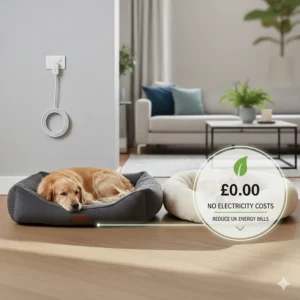
- Daily cost: £0.00
- Monthly cost: £0.00
- Annual cost: £0.00
The energy comparison couldn’t be clearer for self-warming options, though this must be weighed against their limitations in very cold conditions.
Comparative Analysis With Alternative Heating
To contextualise these costs, consider alternative ways to keep your dog warm:
Space Heater in Dog’s Room (1,500 watts running 8 hours nightly):
- Daily consumption: 1,500W × 8 hours = 12 kWh
- Daily cost: 12 kWh × £0.34 = £4.08
- Monthly cost: £4.08 × 30 days = £122.40
- Winter season cost (4 months): £489.60
Additional Central Heating (typical radiator ~1,000 watts running 10 hours daily):
- Daily consumption: 1,000W × 10 hours = 10 kWh
- Daily cost: 10 kWh × £0.34 = £3.40
- Monthly cost: £3.40 × 30 days = £102.00
- Winter season cost (4 months): £408.00
Suddenly, even a 40-watt heated dog bed costing £9.90 monthly seems remarkably economical compared to heating entire rooms. For most UK households, a heated bed pays for itself within the first winter by allowing you to keep the thermostat slightly lower whilst ensuring your dog remains comfortable.
Environmental Considerations
Beyond personal finances, the environmental impact deserves consideration. Self-warming beds produce zero carbon emissions during use, making them the greenest option available. For environmentally conscious pet owners, this represents a significant advantage.
Heated beds do consume electricity, but their low wattage means the carbon footprint remains minimal. Using renewable electricity tariffs (increasingly common in the UK) can reduce or eliminate this environmental concern. Green energy suppliers like Octopus Energy, Bulb, or Good Energy offer 100% renewable electricity, meaning your heated dog bed operates carbon-neutral.
The manufacturing impact should also be considered. Self-warming beds typically use Mylar and polyester, both petroleum-derived products. However, their longevity (often 5+ years of use) and zero operational emissions balance this initial environmental cost. Heated beds contain electrical components that eventually need disposing of, though reputable brands like K&H use recyclable materials and comply with WEEE (Waste Electrical and Electronic Equipment) directives.
Safety Considerations: Protecting Your Precious Pooch
Whether you choose heated vs self warming dog bed options, understanding and implementing proper safety measures ensures your dog enjoys warmth without risk.
Electrical Safety for Heated Beds
Electrical heated beds present specific hazards that demand attention. The most obvious risk is chewing—dogs, particularly puppies and certain breeds like Terriers or Beagles, may gnaw on cords. This can cause electrical shock, burns, or fires. Chew-resistant cords (typically steel-wrapped) significantly reduce this risk, but no cord is truly indestructible against a determined chewer.
Position cords thoughtfully. Run them along walls or under furniture where your dog cannot easily access them. Never allow cords to create loops or become tangled, as these configurations can strangle or trip both pets and humans. Some owners use cord protectors—plastic tubes that encase the wire—providing an additional layer of protection.
Inspect heated beds regularly for damage. Check the cord for fraying, exposed wires, or bite marks monthly. Examine the plug for looseness or discolouration (which might indicate overheating). Feel the heating element while the bed is operating—it should be warm but never hot to touch. If any component appears damaged, discontinue use immediately and contact the manufacturer.
Overheating, whilst rare in quality certified beds, remains a theoretical concern. Modern thermostatic controls prevent this, but malfunctions can occur. Never leave a heated bed operating in an enclosed space where your dog cannot escape the heat if uncomfortable. Dogs regulate temperature partly by moving to cooler locations; confining them on a heated surface removes this option.
According to Guide Dogs UK, dogs can suffer heat-related issues at surprisingly moderate temperatures, particularly brachycephalic breeds like Pugs or Bulldogs. Ensure heated beds have thermostatic controls that prevent temperatures exceeding 40°C.
Self-Warming Bed Safety
Self-warming beds present minimal safety concerns, but they’re not entirely risk-free. The primary issue involves expectations—some owners expect these beds to provide warmth in extremely cold conditions where they simply cannot function adequately. Using a self-warming bed in a 2°C garage will not keep your dog comfortably warm; their body simply won’t generate enough heat for the reflective technology to work effectively.
Cleanliness matters particularly with self-warming beds. The reflective materials can degrade if exposed to moisture, dirt, or pet waste. Always use removable, washable covers and clean them regularly. Most manufacturers recommend washing covers fortnightly, more frequently for dogs who drool heavily or have accidents.
Check the reflective layer periodically for damage. Tears or punctures in the Mylar will significantly reduce effectiveness. Some lower-quality beds use thin Mylar that degrades quickly; investing in better-quality products with robust reflective layers pays dividends in longevity.
Monitoring Your Dog
Regardless of bed type, observe your dog’s behaviour. Signs of overheating include excessive panting, restlessness, or avoiding the bed entirely. If your dog consistently chooses to sleep elsewhere despite having access to their heated or self-warming bed, it may be too warm. Conversely, if they’re shivering or seem reluctant to leave the bed, it might not be providing adequate warmth.
Age-specific considerations matter. Puppies under 12 weeks have underdeveloped temperature regulation and should never use heated beds without constant supervision. Very elderly or sick dogs might lack the strength or awareness to move away from excessive heat, requiring monitoring when using heated options.
Multiple UK veterinary practices, including those affiliated with Vets Now, recommend providing dogs with choice—have both a heated/self-warming bed AND a normal bed available, allowing your pet to select their preferred sleeping spot based on their current comfort needs.
Buying Guide: Making the Right Choice
Navigating the heated vs self warming dog bed decision requires evaluating your specific circumstances, your dog’s individual needs, and your practical constraints.
Assess Your Dog’s Requirements
Start by honestly evaluating your dog’s characteristics:
Coat Type: Thick double-coated breeds (Huskies, Golden Retrievers, German Shepherds) often manage well with self-warming beds in typical UK winter conditions. Single-coated or short-haired breeds (Staffordshire Bull Terriers, Greyhounds, Boxers, Whippets) genuinely benefit from heated beds, particularly in colder homes.
Age: Puppies under six months should generally use self-warming beds due to chewing risks and their developing temperature regulation. Senior dogs (typically 7+ years for large breeds, 10+ for small breeds) often suffer from arthritis and circulation issues that respond beautifully to the consistent warmth of heated beds.
Health Status: Dogs with arthritis, hip dysplasia, or other joint conditions gain therapeutic benefits from heated beds. The gentle warmth increases blood flow to affected joints, reducing stiffness and discomfort. Healthy young dogs rarely need this level of warmth.
Behaviour: Aggressive chewers must use self-warming beds; the electrical cord risk is simply too high. Even chew-resistant cords aren’t infallible. Dogs who’ve never shown chewing tendencies can safely use either option.
Size: Tiny dogs (under 5kg) struggle to generate sufficient body heat for self-warming beds to work optimally in cold conditions. Large dogs (over 30kg) generate enough heat to make self-warming technology highly effective.
Environmental Factors
Where will your dog sleep? Indoor dogs in centrally heated homes (maintaining 18-21°C) often manage perfectly well with self-warming beds, as they’re providing supplementary warmth rather than primary heating. Dogs sleeping in conservatories, unheated rooms, garages, or outdoor kennels need heated beds—there’s simply no comparison in genuinely cold environments.
Consider the flooring type. Tiled, stone, or concrete floors dramatically increase heat loss; heated beds work better here. Carpeted or wooden floors retain some warmth; self-warming beds function adequately on these surfaces.
Dampness levels matter enormously in the UK climate. If your dog’s sleeping area tends toward dampness (porches, garages, some conservatories), heated beds help by actively drying out moisture. Self-warming beds in very damp conditions may struggle, as moisture compromises the reflective layer’s effectiveness.
Budget Considerations
Initial purchase price represents just one cost element. Consider the total cost of ownership:
Self-Warming Beds:
- Initial cost: £10-£35
- Ongoing costs: £0 (electricity) + occasional cover replacement
- 5-year total: £10-£35 initial purchase only
Heated Beds:
- Initial cost: £25-£65
- Ongoing costs: £1.50-£10/month electricity (£18-£120 annually)
- 5-year total: £115-£665 (purchase + 5 years electricity)
However, this calculation assumes continuous year-round use. Most UK owners only use heated beds during the 4-5 coldest months (November-March), roughly halving the annual electricity cost. Additionally, the therapeutic benefits for arthritic dogs might reduce veterinary bills or pain medication costs, offsetting some expense.
Size and Space Requirements
Measure your dog from nose to tail base (with them standing naturally) and add 20-25cm. This gives the minimum bed length. For width, measure across their shoulders and add 15-20cm. Dogs naturally curl up when sleeping, but they should have space to stretch out fully if desired.
Consider your available space. Heated beds, particularly those with orthopaedic foam, tend to be bulkier than self-warming pads. If floor space is limited, a self-warming pad that can be placed on furniture or existing beds might work better.
Quality Indicators
Regardless of type, look for these quality markers:
Certifications: MET, CE, or UKCA markings for heated beds (confirming electrical safety). OEKO-TEX certification for fabrics (ensuring chemical safety).
Warranty: Reputable manufacturers offer 1-2 year warranties. This demonstrates confidence in product durability.
Removable Components: Heated beds should have removable heating elements for washing. All beds should have zip-off, machine-washable covers.
Customer Reviews: Read UK-specific reviews on Amazon.co.uk. Pay attention to reviews mentioning your dog’s breed or similar situations to yours.
Brand Reputation: Established brands like K&H Pet Products, Scruffs, Ancol, and Furhaven have track records you can research. Unknown brands offering suspiciously cheap heated beds may lack proper safety testing.
Trial Period and Returns
Many UK retailers, including Amazon.co.uk, offer 30-day return periods. This allows you to trial the bed and assess whether your dog actually uses it. Some dogs need several days to accept a new bed, so don’t give up immediately if they seem hesitant initially. Place treats on the bed or their favourite blanket to encourage acceptance.
If your dog consistently refuses the bed after a week, or if you notice any safety concerns, don’t hesitate to return it and try an alternative option. Your dog’s comfort and safety trump any sunk cost considerations.
How to Choose Heated vs Self Warming Dog Bed: Step-by-Step Decision Framework
Follow this systematic approach to make your decision:
- Evaluate your dog’s coat thickness and size. Thick-coated large breeds lean toward self-warming; thin-coated small breeds lean toward heated.
- Consider your dog’s age and health status. Puppies under 6 months and aggressive chewers must use self-warming. Senior dogs with arthritis strongly benefit from heated.
- Assess the sleeping environment temperature. Above 10°C indoor: either option works. Below 10°C or outdoor: heated beds essential.
- Determine your budget for both purchase and operation. Self-warming has zero running costs; heated costs £1.50-£10 monthly during winter.
- Check for electrical chewing risks. Any history of cord chewing mandates self-warming beds only.
- Consider portability needs. Frequent travel favours self-warming; permanent placement allows heated.
- Review your energy supply and sustainability values. Eco-conscious owners may prefer self-warming despite heated beds’ minimal consumption.
- Read UK-specific customer reviews for products you’re considering, paying attention to dogs similar to yours.
- Purchase from retailers with good return policies, allowing you to trial the bed risk-free.
- Monitor your dog’s comfort level during the first week, making adjustments or exchanges if necessary.
Frequently Asked Questions
❓ Are self-warming dog beds actually warm enough for UK winters?
❓ How much does it cost to run a heated dog bed in the UK?
❓ Can I leave a heated dog bed on all night safely?
❓ Which type of warming bed is better for dogs with arthritis?
❓ Do self-warming dog beds work for puppies and chewers?
Conclusion: Finding Your Perfect Warming Solution
The heated vs self warming dog bed debate doesn’t have a universal answer—the right choice depends entirely on your individual circumstances, your dog’s specific needs, and your practical constraints. Both technologies offer genuine benefits when matched appropriately to their ideal use cases.
Self-warming beds excel in energy efficiency, safety for chewers, portability, and zero running costs. They’re perfect for indoor dogs in centrally heated homes, puppies, and pet owners who travel frequently or prioritise environmental sustainability. The passive technology works beautifully for providing supplementary warmth in mild to moderate UK winter conditions, particularly for larger or thick-coated breeds who generate ample body heat for the reflective materials to work with.
Electric heated beds win decisively in genuinely cold environments, for outdoor or kennel dogs, and when therapeutic warmth provides medical benefits. Senior dogs with arthritis, small or hairless breeds, and dogs sleeping in unheated spaces genuinely need the consistent warmth that only active heating can provide. Yes, they cost more initially and have ongoing electricity expenses, but these costs remain remarkably modest compared to alternative heating methods.
Perhaps the most enlightened approach involves recognising that this needn’t be an either/or decision. Many UK pet owners successfully employ both technologies—using self-warming beds during milder autumn and spring weather whilst bringing out the heated option for deep winter or when their dog shows signs of joint stiffness. This hybrid strategy maximises both economy and comfort throughout the year.
Whatever your choice, prioritise safety through proper certifications, monitor your dog’s comfort level regularly, and don’t hesitate to adjust your approach if your initial selection doesn’t meet expectations. Your dog’s warmth, comfort, and wellbeing during those long British winter nights make the investment—whether it’s £15 for a self-warming pad or £65 for a premium heated bed—worthwhile beyond measure.
Remember, a warm dog is a happy dog, and a happy dog makes for a happier home. Take the time to assess your situation thoughtfully, invest in quality products from reputable manufacturers, and enjoy watching your furry friend settle into cosy, contented sleep throughout winter’s chill.
Recommended for You
- Calming Bed vs Regular Dog Bed: 7 Differences UK Guide 2026
- Memory Foam vs Orthopaedic Dog Bed: 7 Best UK Picks 2026
- 7 Best Outdoor Waterproof Dog Beds UK 2026
Disclaimer: This article contains affiliate links. If you purchase products through these links, we may earn a small commission at no additional cost to you. Prices shown are approximate and may vary.
✨ Found this helpful? Share it with your mates! 💬🤗
