In This Article
Choosing between a cave bed vs open bed for dogs isn’t just about aesthetics; it’s about understanding your furry friend’s unique needs and natural instincts. If you’ve ever watched your dog burrow under blankets or hide beneath furniture during a thunderstorm, you’ve witnessed their innate desire for a secure, den-like space. On the flip side, some dogs sprawl out like starfish, seeking maximum airflow and freedom of movement.
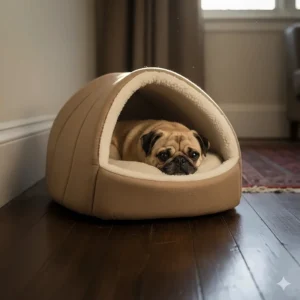
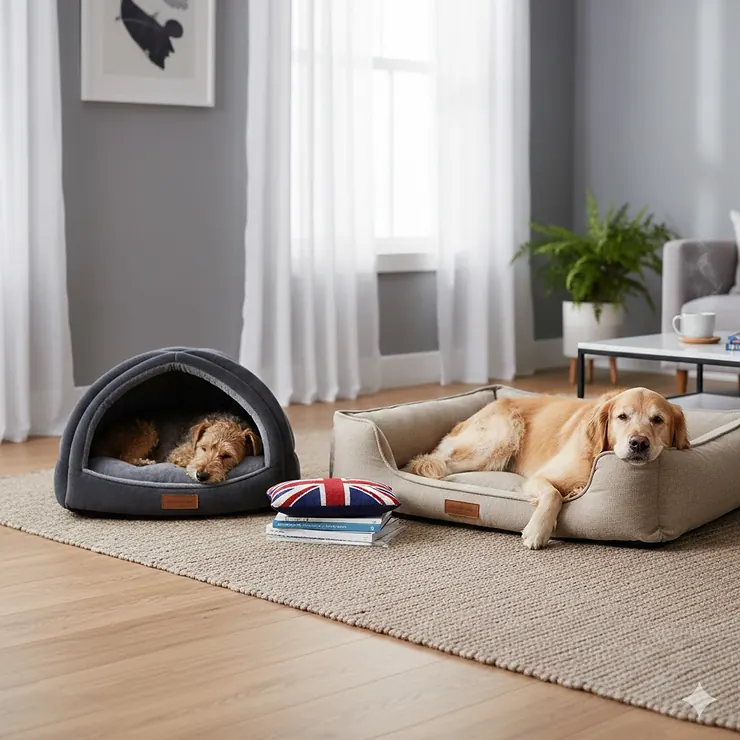
This decision matters more than you might think. The right bed can transform your dog’s sleep quality, reduce anxiety, and even support their physical health. Cave beds offer that cosy, enclosed feeling that appeals to burrowing breeds like Dachshunds and terriers, whilst open beds provide unrestricted comfort for larger breeds or dogs who overheat easily. The cave bed vs open bed for dogs debate ultimately comes down to your pet’s sleeping habits, temperament, and specific needs.
According to the RSPCA, shy or nervous dogs particularly benefit from igloo-type beds where they can hide away comfortably whenever things get overwhelming. Meanwhile, dogs who love stretching out require open beds with ample space for all their natural sleeping positions.
Throughout this comprehensive guide, I’ll walk you through everything you need to know about the cave bed vs open bed for dogs comparison, from understanding your dog’s sleeping style to discovering the top 7 products available on Amazon.co.uk. You’ll learn which bed type suits different breeds, how to address anxiety issues, and what features truly matter when investing in your dog’s comfort.
Quick Comparison Table: Cave Bed vs Open Bed for Dogs
| Feature | Cave Bed | Open Bed |
|---|---|---|
| Best For | Burrowers, anxious dogs, small-medium breeds | Sprawlers, large breeds, dogs who overheat |
| Security Level | High – enclosed design provides den-like comfort | Low – fully exposed, better for confident dogs |
| Temperature | Warmer – retains heat well | Cooler – better airflow |
| Space Required | Less floor space due to vertical design | More floor space needed |
| Anxiety Relief | Excellent for separation anxiety | Limited calming effect |
| Ease of Access | May be difficult for senior/arthritic dogs | Easy entry and exit |
| Price Range (UK) | £19.99 – £53.99 | £13.84 – £67.99 |
💬 Just one click – help others make better buying decisions too! 😊
Top 7 Cave Bed vs Open Bed for Dogs: Expert Analysis
After extensive research on Amazon.co.uk, I’ve identified the best options for both cave and open bed enthusiasts. Here’s what stands out in 2026.
1. JOEJOY Rectangle Dog Bed Warm Hooded
The JOEJOY Rectangle Dog Bed Warm Hooded perfectly represents the cave bed category with its versatile design. Available in multiple sizes (suitable for dogs weighing 20-60 lbs), this bed features a removable hood that can transform from an enclosed cave to an open bed, giving you the best of both worlds.
Key Specifications:
- Machine washable cover
- Available in 4 sizes
- Soft plush fabric with anti-slip bottom
UK buyers love its adaptability. One customer noted, “My anxious Cavalier King Charles immediately claimed this as her safe space. The hood stays up brilliantly, and she burrows in whenever visitors arrive.”
Pros:
✅ Versatile hood can be removed
✅ Multiple size options
✅ Budget-friendly at approximately £29.99-£39.99
Cons:
❌ Hood may collapse with very energetic burrowers
❌ Takes time to fully fluff after delivery
2. Bedsure Washable Large Dog Bed
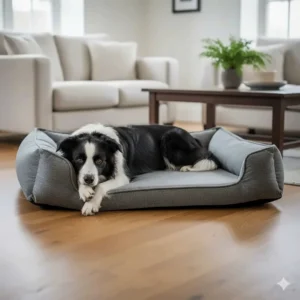
For the open bed category, the Bedsure Washable Large Dog Bed (91x68x10cm) is an Amazon’s Choice product with over 6,900 reviews and a stellar 4.5-star rating. This flat mattress-style bed with Oxford fabric construction is perfect for sprawlers.
Key Specifications:
- Egg crate orthopaedic foam
- Water-resistant material
- Suitable for dogs up to 65 lbs (29.5 kg)
What UK buyers say: “Our elderly Labrador couldn’t get comfortable in her old bed, but this one changed everything. The foam supports her joints beautifully, and cleaning is effortless.”
Pros:
✅ Excellent orthopaedic support
✅ Water-resistant and easy to clean
✅ Great value at £34.99-£44.99
Cons:
❌ No raised edges for head support
❌ May be too flat for dogs who like to nest
3. Collared Creatures Deluxe Cocoon Cave Bed
Handmade in the UK, the Collared Creatures Deluxe Cocoon Cave Bed brings premium quality to the cave bed market. This luxury option features removable arch rods and upholstery-grade fabric in modern colours like grey tweed, beige, and green.
Key Specifications:
- Removable faux-fur lining
- Optional waterproof liner
- Sizes from Small to Extra-Large
According to their specifications, the removable arch rod system allows you to convert the hood into a collapsible blanket, making it incredibly versatile for different seasons and your dog’s changing preferences.
Pros:
✅ Premium UK craftsmanship
✅ Machine-washable covers
✅ Convertible hood design
Cons:
❌ Higher price point at £89.99-£129.99
❌ Longer delivery times due to made-to-order production
4. Coolaroo Original Elevated Dog Bed
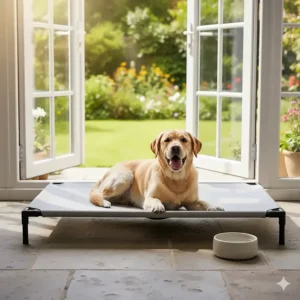
The Coolaroo Original Elevated Dog Bed represents a unique take on open beds with its raised, breathable design. Perfect for summer or outdoor use, this bed keeps dogs cool and off the ground.
Key Specifications:
- Powder-coated steel frame
- Breathable polyethylene fabric
- Available in 3 sizes
- 100% recyclable materials
UK customer feedback: “Brilliant for our flat-coated retriever who overheats constantly. She can finally sleep comfortably through summer afternoons.”
Pros:
✅ Exceptional airflow and cooling
✅ Durable outdoor construction
✅ Easy to clean – just hose down
Price: £24.23-£32.99
Cons:
❌ No padding or cushioning
❌ May be too firm for dogs with joint issues
5. FurHaven Orthopaedic Cave Dog Bed
The FurHaven Orthopaedic Cave Dog Bed combines the security of a cave with the support of memory foam. With over 1,500 reviews on Amazon.co.uk and a 4.2-star rating, it’s a popular choice for the cave bed vs open bed for dogs dilemma.
Key Specifications:
- Orthopaedic foam base
- Removable plastic tubing for hood
- Available in 12 colours
- Fleece or velvet cover options
The clever design allows you to remove the plastic tubing, transforming the hood into a blanket for dogs who want flexibility in their sleeping arrangement.
Pros:
✅ Dual functionality as cave or open bed
✅ Joint support from orthopaedic foam
✅ Wide colour selection
Price: £49.99
Cons:
❌ Hood can lose shape over time
❌ May be too small for large breeds
6. KSIIA Large Orthopaedic Dog Bed Washable
For open bed enthusiasts seeking premium support, the KSIIA Large Orthopaedic Dog Bed delivers exceptional value. This deluxe plush bed features egg-crate foam and a removable, washable cover.
Key Specifications:
- Anti-slip bottom
- Calming design
- Dimensions: 90x60x8cm
- Dark grey colour
UK buyers appreciate its quality: “Worth every penny. Our German Shepherd with hip dysplasia sleeps through the night now. The foam doesn’t flatten like cheaper beds.”
Pros:
✅ Superior orthopaedic support
✅ Anti-slip base prevents sliding
✅ Machine-washable cover
Price: £39.99-£54.99
Cons:
❌ Takes 24-48 hours to fully expand
❌ No bolster for head support
7. Snoozer Cozy Cave Pet Bed
The original and still one of the best, the Snoozer Cozy Cave Pet Bed pioneered the cave bed design. This lightweight, portable option is perfect for burrowing breeds and anxious dogs.
Key Specifications:
- Interior sherpa lining
- Cotton or microsuede exterior
- Cedar and polyester filling
- Fully machine washable
One satisfied UK customer shared: “My dog loves burrowing and being covered up. This solved my problem of blankets all over the house. Super lightweight and easy to move between rooms.”
Pros:
✅ Original cave bed design
✅ Completely machine washable
✅ Lightweight and portable
Price: £34.99-£44.99
Cons:
❌ Limited size range
❌ May be too cosy for larger dogs
What Makes Cave Beds Special for Anxious Dogs?
The connection between cave beds and anxiety relief isn’t just marketing hype; it’s rooted in canine psychology and natural instincts. When examining the cave bed vs open bed for dogs from an anxiety perspective, cave beds consistently demonstrate superior calming properties for nervous pets.
The Den Instinct Explained
Whilst there’s debate amongst behaviourists about whether domestic dogs are true “den animals,” research shows that many dogs do seek out enclosed spaces when stressed. According to ZenCrate, canine mothers construct maternity dens for their pups, creating positive associations with dark, enclosed spaces that adult dogs carry into maturity.
These denning instincts manifest when your dog digs in the garden on hot days or hides under furniture during fireworks. Cave beds tap into this primal need for security, providing a controlled environment where anxious dogs can retreat and self-soothe.
How Enclosed Spaces Reduce Stress
The RSPCA specifically recommends igloo-type beds for shy or nervous dogs, noting they offer comfort when things become overwhelming. The enclosed design:
- Blocks visual stimuli that might trigger anxiety
- Muffles external sounds like traffic or household noise
- Creates physical boundaries that help dogs feel protected
- Retains body heat for a comforting, womb-like sensation
However, it’s worth noting that cave beds work differently for different dogs. Some pets may feel trapped rather than secure in enclosed spaces, particularly if they’ve had negative experiences with confinement.
Separation Anxiety and Cave Beds
For dogs with separation anxiety, the cave bed vs open bed for dogs decision becomes particularly important. A cave bed can serve as a consistent safe space where your dog learns to self-settle during alone time. The key is positive association through gradual training, never forcing your dog into the enclosed space.
Why Some Dogs Prefer Open Beds
Not every dog dreams of a cosy cave. Many perfectly content pups actively avoid enclosed sleeping spaces, and understanding why helps you make the right choice in the cave bed vs open bed for dogs debate.
Temperature Regulation Matters
Large breeds and thick-coated dogs often struggle with overheating, making open beds the superior choice. German Shepherds, Huskies, and Golden Retrievers typically prefer beds with maximum airflow. According to behavioural research, dogs who pant frequently or seek cool surfaces naturally gravitate towards open bed designs.
The elevated style, like the Coolaroo mentioned earlier, takes this further by providing air circulation underneath, creating a natural cooling effect that’s particularly valuable during UK summers.
Freedom of Movement
Dogs who sleep in multiple positions throughout the night need space to shift around. Open beds accommodate:
- Full body stretches without hitting walls
- Position changes from curled to sprawled
- Easy entry and exit for senior dogs with mobility issues
- Multiple sleeping postures including the famous “Superman” position
The RSPCA notes that beds should allow dogs to lie comfortably in all their natural positions—stretched out, curled up, on their backs, or with legs extended like Superman.
Confidence and Security
Interestingly, some confident dogs simply don’t need the psychological security of an enclosed space. Well-adjusted, low-anxiety dogs may find cave beds unnecessarily restrictive. They’re comfortable enough in their environment to sleep exposed, viewing their whole home as their territory.
This doesn’t mean your confident dog can’t enjoy a cave bed—many do!—but they’re less likely to show a strong preference for enclosed spaces.
Accessibility for Senior Dogs
As dogs age, arthritis and joint stiffness make navigating cave bed openings challenging. Open beds with low entry points allow elderly dogs to:
- Enter and exit without jumping or climbing
- Stretch arthritic joints freely
- Maintain independence despite mobility limitations
- Avoid potential injury from navigating hood structures
For senior dogs, the cave bed vs open bed for dogs question often has a clear answer: open beds with orthopaedic support provide the best combination of comfort and accessibility.
Understanding Your Dog’s Sleeping Style
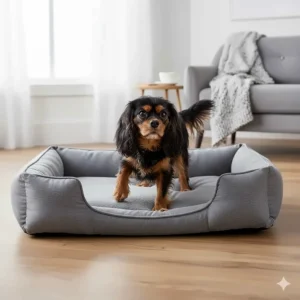
Observing your dog’s natural sleeping behaviours is crucial when deciding between a cave bed vs open bed for dogs. Every dog has unique preferences that offer clues about their ideal bed type.
The Burrower
Does your dog:
- Dig and nest before lying down?
- Push blankets around with their nose?
- Sleep under furniture or in tight spaces?
- Prefer being covered by throws or pillows?
Verdict: Cave beds align perfectly with burrowing instincts. Breeds like Dachshunds, Jack Russells, and terriers typically fall into this category, though any dog might display burrowing behaviour.
The Sprawler
Does your dog:
- Sleep flat on their side or back?
- Stretch out to maximum length?
- Move positions frequently during sleep?
- Seek cool surfaces like tiles?
Verdict: Open beds provide the freedom sprawlers crave. Large breeds like Labradors, Great Danes, and Retrievers commonly prefer this sleeping style.
The Curler
Does your dog:
- Sleep in a tight ball?
- Tuck their nose under their tail?
- Prefer corners or edges of furniture?
- Seek out small, enclosed spaces?
Verdict: Either bed type works, but cave beds may offer extra security. The curler often appreciates raised edges or bolsters to lean against.
The Multi-Positional Sleeper
Does your dog:
- Change positions 5+ times per night?
- Start curled and end sprawled?
- Move between different sleeping spots?
- Adapt to temperature changes?
Verdict: Consider convertible cave beds like the FurHaven or JOEJOY that transform between styles. This flexibility accommodates changing preferences throughout the night and across seasons.
Breed-Specific Recommendations
The cave bed vs open bed for dogs question often has breed-specific answers based on historical purpose, size, and temperament.
Small Breeds (Under 10 kg)
Cave Bed Favourites:
- Chihuahuas – prone to cold, love burrowing
- Yorkshire Terriers – historically denned for hunting
- Dachshunds – bred to enter burrows
- Miniature Pinschers – seek warmth and security
Open Bed Suiters:
- Pugs – brachycephalic breeds need airflow
- French Bulldogs – temperature regulation crucial
Medium Breeds (10-25 kg)
Cave Bed Lovers:
- Beagles – hunting background, den-seeking
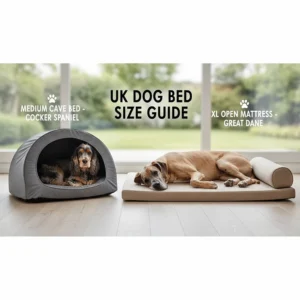
- Cocker Spaniels – anxious tendencies benefit from enclosure
- Border Terriers – burrowing instinct strong
Open Bed Preferences:
- Border Collies – active, prefer unrestricted movement
- Springer Spaniels – sprawlers who overheat
Large Breeds (Over 25 kg)
Cave Bed Options (Extra-Large Needed):
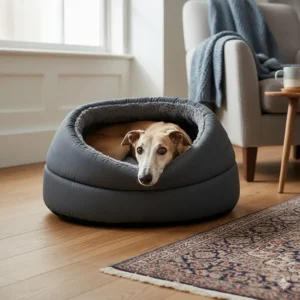
- Whippets – despite size, love enclosed spaces
- Greyhounds – surprisingly love cosy caves
Open Bed Essentials:
- Labradors – sprawlers needing orthopaedic support
- German Shepherds – temperature control important
- Golden Retrievers – thick coat requires cooling
According to breed-specific behaviour research, historical purpose significantly influences sleeping preferences. Terriers and hounds bred to enter dens retain these instincts, whilst herding and retrieving breeds often prefer open spaces with clear sightlines.
Key Features to Consider
When evaluating the cave bed vs open bed for dogs, specific features determine long-term satisfaction beyond just the enclosed versus open design.
Material Quality and Durability
For Cave Beds:
- Hood structure – removable rods versus sewn-in support
- Interior lining – faux fur, sherpa, or fleece
- Outer fabric – upholstery-grade withstands scratching
- Filling type – polyester versus memory foam base
For Open Beds:
- Foam quality – egg-crate, memory foam, or standard
- Cover fabric – microfibre, canvas, or Oxford cloth
- Bolster construction – how raised edges maintain shape
- Base material – waterproof lining protects foam
UK buyers should prioritise machine-washable components. The reality of dog ownership includes muddy paws, occasional accidents, and regular cleaning requirements. Removable covers aren’t optional; they’re essential.
Size Specifications
The RSPCA recommends measuring your dog from nose to tail whilst sleeping, then adding 25 centimetres to this figure. Choose a bed matching this measurement.
Cave Bed Sizing:
- Must accommodate full body length even when enclosed
- Hood height should allow standing without ducking
- Width permits turning around inside
Open Bed Sizing:
- Length for full stretch plus 10-15 cm
- Width for side-sleeping with legs extended
- Consider multiple sleeping positions
Washability and Maintenance
Cave beds present unique cleaning challenges. Look for:
- Fully removable covers
- Machine-washable at 30-40°C
- Quick-dry materials
- Separate washable hood components
Open beds typically offer easier maintenance with complete cover removal and simple foam spot-cleaning. However, cheaper open beds may have non-removable covers, making them impractical for real-world use.
Special Health Considerations
Orthopaedic Support: Both bed types can incorporate memory foam or egg-crate foam for joint support. Senior dogs and breeds prone to hip dysplasia (German Shepherds, Labradors, Golden Retrievers) benefit enormously from orthopaedic features regardless of cave versus open design.
Waterproof Liners: Essential for puppies in training or senior dogs with incontinence. Many premium cave beds, like the Collared Creatures range, offer optional waterproof liners. For open beds, waterproof inner covers protect foam from accidents.
Hypoallergenic Materials: Dogs with skin sensitivities require hypoallergenic, breathable fabrics. Natural materials like cotton excel here, though quality synthetic options exist in both cave and open bed categories.
Benefits of Cave Beds
Understanding the specific advantages helps clarify when cave beds win the cave bed vs open bed for dogs comparison.
Superior Anxiety Management
Cave beds excel at providing emotional support through:
Physical Security: The enclosed structure creates boundaries that help anxious dogs define their personal space. This is particularly valuable during:
- Thunderstorms and fireworks
- Household parties or gatherings
- Separation from owners
- Introduction of new pets or family members
Sensory Reduction: By limiting visual stimuli and dampening sounds, cave beds create a calming microenvironment. Dogs experiencing sensory overload can retreat and decompress.
Consistent Safe Space: Unlike hiding under furniture (which may not always be accessible), a cave bed provides a dedicated, portable sanctuary your dog can rely on.
Natural Warmth Retention
The enclosed design traps body heat, making cave beds ideal for:
- Small breeds with high surface-area-to-volume ratios
- Short-haired dogs lacking natural insulation
- Older dogs who feel the cold more acutely
- Winter months or draughty homes
UK homes, particularly older properties, can be chilly and draughty. A cave bed positioned away from windows provides cosy sleeping quarters without cranking up the heating.
Space-Saving Design
Cave beds utilise vertical space through their hood structure, occupying less floor area than equivalently comfortable open beds. This matters in:
- Small flats or apartments
- Multi-dog households needing multiple beds
- Rooms where floor space is premium
Burrowing Instinct Satisfaction
For breeds bred to dig and tunnel, cave beds provide an appropriate outlet for these natural behaviours. Rather than destroying your sofa cushions or garden, dogs can satisfy burrowing instincts in a designated, acceptable manner.
Benefits of Open Beds
Open beds shine in different scenarios, making them the superior choice for specific dogs and situations.
Maximum Cooling and Airflow
UK summers, whilst not extreme, can be uncomfortable for thick-coated breeds. Open beds, particularly elevated styles, provide:
Natural Temperature Regulation: Air circulation around the entire body prevents overheating. Large breeds and double-coated dogs (Huskies, Malamutes, Newfoundlands) stay comfortable.
Breathable Materials: Many open beds use mesh or woven fabrics that enhance airflow, unlike the heat-trapping qualities of cave bed hoods.
Elevated Options: Raised open beds like the Coolaroo create air movement beneath the sleeping surface, offering cooling that cave beds simply cannot match.
Easier Access for All Dogs
Open beds accommodate dogs with physical limitations:
Senior Dogs: Arthritis and joint stiffness make navigating cave bed openings painful. Open beds with low-profile edges allow easy entry.
Mobility-Impaired Dogs: Post-surgery recovery or chronic conditions requiring medication benefit from accessible sleeping arrangements.
Vision-Impaired Dogs: Blind or partially sighted dogs navigate open beds more confidently without worrying about enclosed spaces.
Versatility for Changing Needs
As puppies grow or seasons change, open beds adapt more easily:
Size Flexibility: A slightly too-large open bed works fine; a slightly too-small cave bed becomes unusable.
Seasonal Adjustment: Add blankets in winter; remove them in summer. This flexibility is harder to achieve with cave beds.
Multi-Dog Compatibility: Some dogs enjoy sharing sleeping space. Open beds accommodate friendly pairs, whilst cave beds remain strictly single-occupancy.
Simplified Cleaning and Maintenance
Open bed designs typically feature:
- Complete cover removal
- Easier spot-cleaning access
- Faster drying times
- Simpler foam replacement when needed
For dogs who track in mud regularly or have occasional accidents, this practical advantage shouldn’t be underestimated.
Price Comparison: Cave vs Open Beds
Understanding the financial implications of the cave bed vs open bed for dogs decision helps budget-conscious pet parents make informed choices.
Budget Options (£15-£30)
Cave Beds: Basic cave beds start around £19.99 on Amazon.co.uk. These entry-level options typically feature:
- Standard polyester filling
- Non-removable hoods
- Limited size selection
- Basic colour choices
Open Beds: Budget open beds begin at £13.84, offering:
- Simple cushion designs
- Basic foam padding
- Machine-washable covers
- Functional but not luxurious
Value Assessment: At this price point, open beds generally offer better value. The simpler construction means fewer potential failure points, and cleaning is more straightforward.
Mid-Range Options (£30-£60)
Cave Beds: The sweet spot for cave beds, with products like the Snoozer Cozy Cave (£34.99-£44.99) and FurHaven (£49.99) offering:
- Quality materials and construction
- Removable, washable components
- Multiple size and colour options
- Orthopaedic foam options
Open Beds: Mid-range open beds like the Bedsure (£34.99-£44.99) and KSIIA (£39.99-£54.99) provide:
- Orthopaedic or memory foam
- Waterproof liners
- Removable, machine-washable covers
- Anti-slip bases
Value Assessment: Both categories deliver excellent value here. Choose based on your dog’s specific needs rather than price.
Premium Options (£60-£130)
Cave Beds: Premium handmade options like Collared Creatures (£89.99-£129.99) justify higher prices through:
- UK craftsmanship
- Upholstery-grade fabrics
- Customisation options
- Superior durability and longevity
Open Beds: High-end open beds like the Coolaroo elevated designs or luxury orthopaedic options (£60-£80) offer:
- Advanced cooling technology
- Medical-grade memory foam
- Designer fabrics and colours
- Extended warranties
Value Assessment: Premium cave beds represent better long-term investment if your dog definitely prefers enclosed spaces. For dogs without strong preferences, mid-range open beds with orthopaedic support often suffice.
Common Mistakes to Avoid
Learning from others’ experiences helps you navigate the cave bed vs open bed for dogs decision more successfully.
Mistake 1: Choosing Based on Aesthetics Alone
That Instagram-worthy cave bed in millennial pink might look stunning in your living room, but if your Labrador prefers sprawling, it’ll become an expensive decoration. Always prioritise your dog’s comfort and sleeping style over home décor.
Mistake 2: Ignoring Size Requirements
Buying a cave bed that’s too small ranks amongst the most common errors. Dogs need space to:
- Turn around inside comfortably
- Stretch out if desired
- Stand without the hood touching their back
When in doubt, size up. The investment in proper sizing pays dividends in actual usage.
Mistake 3: Overlooking Washing Requirements
Non-washable beds become hygiene nightmares. Dogs bring in mud, shed fur constantly, and occasionally have accidents. If you can’t easily wash it, don’t buy it—regardless of how perfect it otherwise seems.
Mistake 4: Assuming All Cave Beds Suit Anxious Dogs
Whilst cave beds generally help anxious dogs, some pets have specific fears about confined spaces. If your dog has experienced negative crate training or has claustrophobic tendencies, a cave bed might increase rather than decrease anxiety.
Always introduce cave beds gradually, using positive reinforcement. Never force your dog inside.
Mistake 5: Neglecting Seasonal Needs
A cave bed perfect for January might be miserable in July. Consider:
- Whether your home has adequate heating/cooling
- Your dog’s coat thickness
- Seasonal temperature variations in your region
- Convertible options that adapt to changing conditions
Mistake 6: Choosing Price Over Quality
Whilst budget constraints are real, a £15 bed that falls apart in three months costs more than a £50 bed lasting three years. Calculate cost per year rather than upfront expense.
Quality indicators include:
- Stitching and seam strength
- Zipper quality on removable covers
- Foam density and grade
- Fabric weight and durability
Mistake 7: Forgetting About Multiple Bed Strategy
Many dog owners discover the ideal solution isn’t choosing between cave bed vs open bed for dogs, but providing both. A cave bed for security and an open bed for cooling gives your dog options based on mood, temperature, and circumstances.
How to Transition Your Dog to a New Bed
Whether upgrading from cave to open or vice versa, successful transitions require patience and strategy.
Step 1: Introduce Gradually
Place the new bed near your dog’s current sleeping spot without removing the old bed initially. Let them investigate at their own pace. Some dogs claim new beds immediately; others need days or weeks to adjust.
Cave Bed Transitions:
- Leave the hood open initially if your dog seems hesitant
- Place favourite toys or treats inside
- Don’t force entry—let curiosity guide exploration
Open Bed Transitions:
- Position in a quiet, low-traffic area
- Add familiar blankets with your dog’s scent
- Ensure easy access from all sides
Step 2: Use Positive Reinforcement
Reward proximity and interaction:
- Treat your dog for sniffing or investigating the bed
- Praise calm behaviour near the new bed
- Use high-value treats for lying down on it
Create positive associations:
- Feed meals nearby
- Conduct calm grooming sessions on or beside the bed
- Offer favourite chew toys only when on the new bed
Step 3: Make It Irresistible
Scent matters enormously to dogs:
- Place an unwashed item of your clothing on the bed
- Transfer blankets from the old bed to the new one
- Avoid washing new beds immediately—factory scents can be off-putting
Location influences usage:
- Position beds in quiet corners where dogs feel secure
- Avoid high-traffic areas or near noisy appliances
- Consider proximity to family gathering spots—many dogs want to be near you
Step 4: Be Patient with Cave Beds
Cave beds require more adjustment time than open beds because they ask dogs to change behaviour (entering an enclosed space) rather than just changing location.
Expected timeline:
- Week 1: Investigation and occasional use
- Week 2-3: Increasing time spent inside
- Week 4+: Consistent usage for sleeping
If your dog hasn’t used a cave bed by week 4 despite positive reinforcement, they may genuinely prefer open sleeping arrangements. Don’t force the issue.
Step 5: Address Setbacks Calmly
If your dog ignores the new bed:
- Reassess placement—is it too exposed or too isolated?
- Check temperature—too hot or too cold?
- Ensure the size is genuinely comfortable, not too small
If your dog shows fear:
- Return to step one with slower introduction
- Never punish or force interaction
- Consider whether this bed type truly suits your dog’s temperament
Maintenance and Care Tips
Proper maintenance extends bed life and ensures your dog’s sleeping environment remains healthy and hygienic.
Washing Guidelines
Cave Beds:
- Weekly: Vacuum hood and sleeping area to remove loose fur
- Fortnightly: Wash removable covers at 30-40°C
- Monthly: Deep clean including hood structure
- As needed: Spot clean accidents immediately
Open Beds:
- Weekly: Brush off loose fur and debris
- Fortnightly: Wash covers at 40°C
- Monthly: Vacuum foam surfaces
- Seasonally: Air foam outside (weather permitting)
The RSPCA recommends washing dog beds at minimum every two weeks, though weekly cleaning suits most households better.
Odour Management
Even clean beds can develop odours from natural dog oils:
- Baking soda treatment: Sprinkle on fabric, leave 30 minutes, vacuum
- Vinegar solution: Add 250ml white vinegar to wash cycle
- Enzyme cleaners: For biological odours and stains
- Fresh air: Regular airing outside prevents mustiness
Cave bed-specific tip: Ensure hoods dry completely before reassembly. Trapped moisture creates mildew—unpleasant and potentially harmful.
Structural Maintenance
Cave Beds:
- Check hood support rods for damage monthly
- Replace bent or broken supports immediately
- Reshape foam filling if it develops lumps
- Monitor stitching at stress points (hood attachment)
Open Beds:
- Rotate foam quarterly to prevent uneven compression
- Replace foam when it no longer rebounds after compression
- Check bolster integrity—restuff if sagging
- Inspect zippers and replace if teeth separate
Extending Bed Life
Smart practices maximise your investment:
Use protective liners: Waterproof, washable liners protect foam from accidents and body oils, dramatically extending bed life.
Rotate multiple beds: Having two beds and alternating them reduces wear on each, plus one’s always available during washing.
Address chewing immediately: If your dog starts destroying their bed, redirect the behaviour before irreparable damage occurs. Provide appropriate chew toys and exercise.
Store seasonally: Cave beds not needed during summer can be washed, dried thoroughly, and stored in breathable bags to prevent mildew.
When to Replace
Cave beds need replacing when:
- Hood structure fails and cannot be repaired
- Foam becomes permanently compressed
- Fabric develops tears that extend despite repairs
- Odours persist despite thorough cleaning
Open beds need replacing when:
- Foam no longer provides support
- Covers have multiple tears or broken zippers
- Bolsters have completely lost shape
- Structural integrity compromised
Typical lifespan varies: budget beds (1-2 years), mid-range (2-4 years), premium (4-6+ years). These estimates assume proper maintenance and normal use.
Frequently Asked Questions
❓ Are cave beds suitable for large breed dogs?
❓ How do I know if my anxious dog needs a cave bed?
❓ Can cave beds help with separation anxiety?
❓ What's the best bed type for senior dogs with arthritis?
❓ How often should I replace my dog's bed?
Conclusion: Making the Right Choice
The cave bed vs open bed for dogs debate ultimately centres on understanding your individual dog’s needs, preferences, and circumstances. There’s no universally “better” option—only the better option for your dog.
Cave beds excel for anxious dogs, burrowing breeds, small to medium-sized pets, and situations requiring emotional security. Their enclosed design satisfies natural denning instincts whilst providing warmth and sensory reduction. UK buyers should look for options with removable hoods, machine-washable components, and quality construction from brands like FurHaven, Snoozer, or premium Collared Creatures.
Open beds shine for larger breeds, senior dogs with mobility issues, pets who overheat easily, and confident dogs without anxiety concerns. The unrestricted space accommodates all sleeping positions whilst orthopaedic options support joint health. Products like the Bedsure, KSIIA, and Coolaroo ranges offer excellent value on Amazon.co.uk.
Remember, you needn’t choose just one. Many dog owners discover that providing both bed types gives their pet valuable options based on mood, temperature, and circumstances. A cave bed for security during thunderstorms and an open bed for summer sprawling often represents the optimal solution.
Observe your dog’s natural sleeping behaviours, consider their breed characteristics and health needs, and choose accordingly. Whether you select a cave bed, open bed, or both, investing in quality sleep arrangements pays dividends in your dog’s health, happiness, and overall wellbeing.
Your dog spends 12-14 hours daily sleeping. Doesn’t that deserve as much consideration as their food, exercise, or veterinary care? Make the cave bed vs open bed for dogs decision with confidence, knowing you’ve prioritised your furry friend’s comfort and security.
✨ Don’t Miss These Exclusive Deals!
🔍 Take your dog’s comfort to the next level with these carefully selected products. Click on any highlighted item to check current pricing and availability on Amazon.co.uk. These beds will help you create restful sleep your furry friend truly deserves!
Recommended for You
- Heated vs Self Warming Dog Bed: 7 Top Picks 2026 UK
- Calming Bed vs Regular Dog Bed: 7 Differences UK Guide 2026
- Memory Foam vs Orthopaedic Dog Bed: 7 Best UK Picks 2026
Disclaimer: This article contains affiliate links. If you purchase products through these links, we may earn a small commission at no additional cost to you. Prices shown are approximate and may vary.
✨ Found this helpful? Share it with your mates! 💬🤗
