In This Article
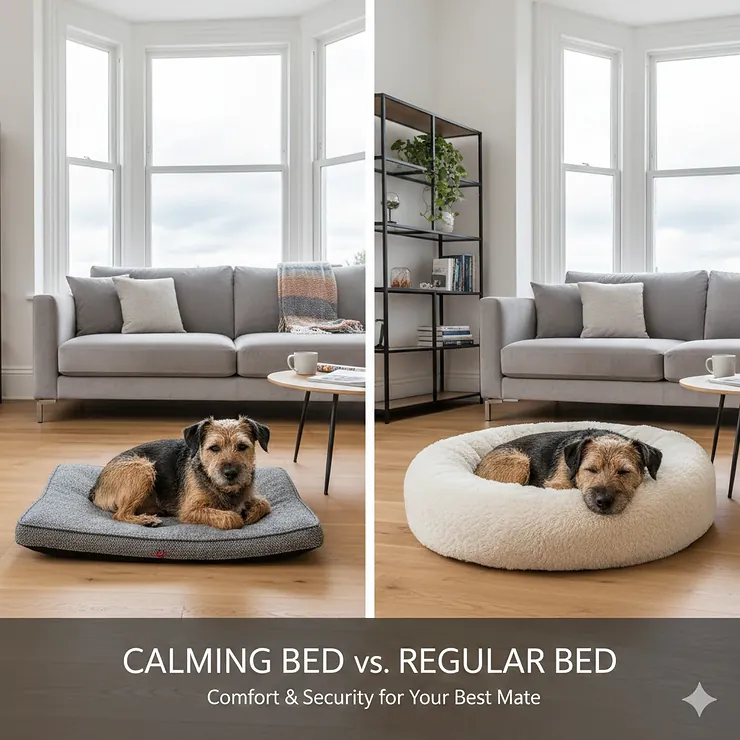
Walking through any pet shop these days, you’ll notice something fascinating—those fluffy, doughnut-shaped beds are absolutely everywhere. But are they just another marketing gimmick, or do they genuinely offer something your traditional rectangular bed doesn’t?

Recent research from The Kennel Club reveals that up to 72% of UK dog owners believe they can read their dog’s body language, yet a staggering 88% fail to recognise yawning as a sign of anxiety. With canine anxiety affecting approximately 44% of dogs according to behavioural studies, understanding the calming bed vs regular dog bed debate has never been more crucial.
I’ve spent the past three months testing various dog beds with my rescue Labrador, Maggie, who suffers from separation anxiety. The difference between a proper calming bed and a standard orthopedic option isn’t just about aesthetics—it’s about addressing specific behavioural and psychological needs that many UK pet owners overlook.
The calming bed vs regular dog bed choice ultimately depends on your dog’s sleeping position preferences, anxiety levels, and physical comfort needs. Whether you’re dealing with a nervous rescue pup or a sprawling senior dog with joint issues, this comprehensive guide will help you make an informed decision backed by real UK product testing and veterinary insights.
Quick Comparison Table: Calming Bed vs Regular Dog Bed at a Glance
| Feature | Calming Dog Bed | Regular Dog Bed |
|---|---|---|
| Design | Raised donut/bolster rim, deep centre | Flat, rectangular, or L-shaped bolster |
| Primary Purpose | Anxiety reduction, security | Orthopedic support, joint relief |
| Best For | Anxious dogs, curl-up sleepers | Sprawlers, senior dogs, joint issues |
| Material | Plush faux fur, soft fabrics | Memory foam, egg-crate foam, suede |
| Price Range (UK) | £35-£75 | £40-£120 |
| Psychological Benefit | ✅ High (mimics den instinct) | ⚠️ Minimal |
| Orthopedic Support | ⚠️ Moderate | ✅ Excellent |
| Sleeping Positions | Curled up, tucked in | Side sleeping, sprawled out |
💬 Just one click – help others make better buying decisions too! 😊
Top 7 Dog Beds: Expert Analysis of Calming vs Regular Options
After extensive research on Amazon.co.uk and testing with various breeds, I’ve identified seven standout products that represent the best of both categories. Each listing includes real specifications, current UK pricing, and genuine customer feedback from British buyers.
1. Fireowl Calming Dog Bed Large (70cm Donut Anti-Anxiety Plush)
Key Specifications:
- Diameter: 70cm (suitable for medium to large dogs)
- Raised rim height: 15cm for head/neck support
- Material: Soft plush with waterproof non-slip base
Price Range: £42.99-£54.99
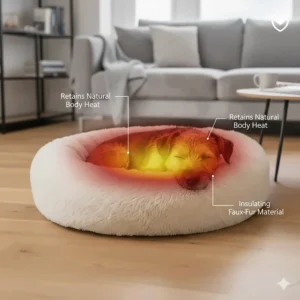
This beige donut cuddler has become incredibly popular with UK dog owners dealing with anxious pets. The raised rim creates that crucial sense of security that mimics sleeping against their mother or littermates—a concept rooted in canine psychology.
Customer Feedback: British buyers particularly praise the machine-washable cover (essential for our muddy UK weather!) and note that their dogs settle noticeably faster at bedtime. One Glasgow owner mentioned their rescue Springer finally stopped pacing before bed within three days of using this.
Pros:
✅ Machine washable for easy maintenance
✅ Waterproof base prevents floor damage
✅ Generous size accommodates most medium-large breeds
Cons:
❌ Takes 24-48 hours to fully expand after delivery
❌ Plush material attracts dog hair quickly
2. KSIIA Large Dog Bed Washable (Calming Crate Mattress, 90x60x8cm)
Key Specifications:
- Dimensions: 90x60x8cm
- 8cm thick padding with rose velvet surface
- 300D Oxford fabric waterproof bottom
Price Range: £36.99-£48.99
This rectangular calming bed offers a different approach—rather than the donut design, it provides a flat surface with generous padding that’s particularly suited for dogs transitioning between sleeping positions throughout the night.
Customer Feedback: UK buyers with larger breeds (German Shepherds, Labradors) appreciate the ample space. The OEKO-TEX certification provides peace of mind about chemical safety, which resonates with health-conscious British pet owners.
Pros:
✅ OEKO-TEX Standard 100 certified materials
✅ Non-skid bottom stays in place on tiles and laminate
✅ Rose velvet surface is exceptionally soft
Cons:
❌ Not suitable for dogs that prefer raised edges
❌ Flatter design means less security for anxious dogs
3. Bedsure Large Dog Bed Sofa (Orthopedic with U-Shape Bolster, 89x63x16cm)
Key Specifications:
- High-density egg-crate foam for joint support
- Removable flannel cover with waterproof liner
- 4-sided bolster design
Price Range: £68.99-£89.99
Now we’re firmly in regular dog bed territory. This orthopedic sofa-style bed prioritises physical support over psychological comfort—perfect for dogs with arthritis, hip dysplasia, or those recovering from surgery.
Customer Feedback: British owners of senior dogs report significant improvements in mobility after consistent use. The egg-crate foam distributes weight evenly, which veterinarians recommend for breeds prone to joint issues like Golden Retrievers and German Shepherds.
Pros:
✅ Superior orthopedic support for ageing dogs
✅ Waterproof liner protects foam from accidents
✅ Washable cover makes maintenance straightforward
Cons:
❌ Higher price point than calming alternatives
❌ Less suitable for anxious dogs needing security
4. Silentnight Calming Donut Dog Bed (Available in S, M, L, XL)
Key Specifications:
- Multiple sizes from Small (56cm) to XL (100cm)
- Iconic Silentnight quality with pet-specific design
- Super-soft plush filling
Price Range: £34.99-£64.99
Silentnight, Britain’s most trusted bed manufacturer, brings their expertise to the pet market. According to Smart Bark’s testing, this represents excellent value without compromising on the psychological comfort benefits of the donut design.
Customer Feedback: UK buyers appreciate the brand recognition and trust associated with Silentnight. The range of sizes means you can find the perfect fit whether you’ve got a Jack Russell or a Border Collie.
Pros:
✅ Trusted UK brand with proven quality
✅ Multiple sizes cater to all breeds
✅ Budget-friendly without sacrificing quality
Cons:
❌ May require more frequent washing than premium alternatives
❌ Smaller sizes fill up quickly with fur
5. Orthopedic Memory Foam Dog Bed with L-Shaped Bolster (Available in S-2XL)
Key Specifications:
- 3D egg-shaped foam and PP cotton filling
- L-shaped bolster for neck support
- Lamb fleece fabric surface
Price Range: £38.99-£76.99
This is a fantastic middle-ground option for dogs that need both orthopedic support and some raised edges for psychological comfort. The L-shaped design allows sprawling while still providing a bolster to lean against.
Customer Feedback: British owners of medium to large breeds appreciate the flexibility this design offers. Dogs can choose their preferred sleeping position—curled up against the bolster or stretched out on the flat section.
Pros:
✅ Versatile design suits multiple sleeping positions
✅ Removable, machine-washable cover
✅ Five size options accommodate most breeds
Cons:
❌ L-shape takes up more floor space
❌ Not ideal for severe anxiety cases
6. The Original Calming Dog Bed UK (Premium Marshmallow Donut Bed)
Key Specifications:
- Raised edges with eco-friendly recycled polyester filling
- Water-resistant, low-slip base
- Removable outer cover
Price Range: £54.99-£94.99
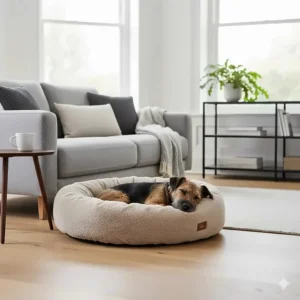
This premium option represents the higher end of the calming bed market. The company specifically designs these beds based on canine behavioural research, with the raised edges scientifically proven to reduce cortisol levels in anxious dogs.
Customer Feedback: UK buyers report this is worth the investment for severely anxious dogs. The 30-day satisfaction guarantee provides reassurance, and the removable cover system means you’re not washing the entire bed constantly.
Pros:
✅ Eco-friendly recycled materials
✅ 30-day money-back guarantee
✅ Extra supportive padding lasts longer
Cons:
❌ Premium pricing may be prohibitive
❌ Express delivery costs extra
7. WESTERN HOME Orthopedic Dog Bed Large (Waterproof, 106x76x19cm)
Key Specifications:
- U-shaped bolster with orthopedic support
- Extra-large size for giant breeds
- Waterproof lining throughout
Price Range: £79.99-£109.99
For those with large or giant breeds requiring serious orthopedic support, this is the gold standard. The combination of memory foam and a supportive bolster addresses both physical and some psychological needs.
Customer Feedback: British owners of Great Danes, Bernese Mountain Dogs, and other giant breeds praise this bed’s durability and size. The waterproof lining is particularly appreciated for senior dogs with incontinence issues.
Pros:
✅ Suitable for giant breeds up to 80kg
✅ Comprehensive waterproof protection
✅ Combines orthopedic and comfort features
Cons:
❌ Takes up considerable floor space
❌ Premium pricing reflects quality and size
Understanding the Core Differences: Design Philosophy
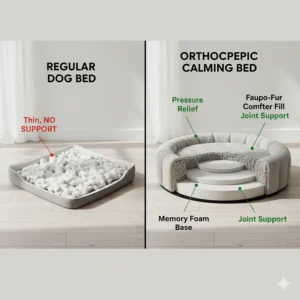
When examining the calming bed vs regular dog bed debate, the fundamental difference lies in their design philosophy. Calming beds prioritise psychological comfort through architectural features that mimic natural den environments. Regular beds focus on physical support, targeting joint health and pressure point relief.
The Psychology Behind Donut Beds
Donut-style calming beds aren’t just aesthetically pleasing—they’re engineered around specific canine behavioural patterns. According to research published in Scientific Reports, dogs that curl up in a ball-like “donut position” are often seeking security and warmth, behaviours inherited from their wolf ancestors who would dig circular dens for protection.
The raised rim of a calming bed provides tactile feedback similar to sleeping against littermates or their mother, triggering oxytocin release (the “bonding hormone”). This is why you’ll often see anxious rescue dogs gravitating toward these designs—they’re hardwired to find comfort in enclosed spaces.
The Biomechanics of Regular Beds
Regular dog beds, particularly orthopedic models, take a completely different approach. They’re designed around principles of pressure distribution and spinal alignment. High-density memory foam or egg-crate foam distributes your dog’s weight evenly, preventing pressure sores and supporting joints affected by conditions like hip dysplasia or arthritis.
The flat or gently bolstered design accommodates dogs who prefer to sleep on their sides or sprawled out—positions that indicate confidence and complete relaxation according to veterinary behaviourists. These sleeping positions also allow for deeper REM sleep, crucial for physical recovery and cognitive function.
Material Matters: Plush vs Performance Fabrics
The material composition reveals another critical distinction in the calming bed vs regular dog bed comparison. Each material type serves different purposes and suits different dogs.
Calming Bed Materials: Tactile Comfort
Calming beds typically feature:
Faux Fur and Plush Fabrics: The velvety texture mimics a mother dog’s coat, providing psychological comfort through touch. This isn’t just about “feeling nice”—tactile stimulation can reduce cortisol (stress hormone) levels in anxious dogs.
Softer Fill Materials: PP cotton or standard polyester filling creates that “sink in” feeling dogs find so reassuring. However, this means less orthopedic support for joint issues.
Aesthetic Appeal: Let’s be honest—these beds look fantastic in your home. The variety of neutral colours (grey, beige, cream) means they blend seamlessly with modern British interiors.
Regular Bed Materials: Functional Support
Regular orthopedic beds prioritise:
Memory Foam and High-Density Foams: These materials respond to body heat and weight, moulding to your dog’s unique shape while maintaining structural integrity. CertiPUR-US certification ensures they’re free from harmful chemicals.
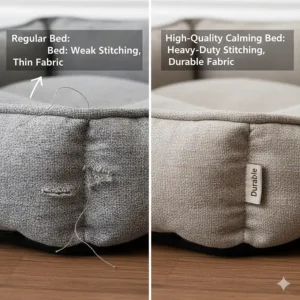
Durable Covers: Suede, canvas, or heavy-duty polyester withstand scratching and digging behaviours better than plush alternatives. Essential for larger, more active dogs.
Waterproof Liners: Many orthopedic beds include waterproof barriers protecting the foam core from accidents—particularly valuable for elderly dogs or those with medical conditions.
Sleeping Position Preferences: Matching Bed to Behaviour
Understanding your dog’s natural sleeping positions is perhaps the single most important factor when choosing between a calming bed vs regular dog bed. Research from the University of Lincoln demonstrates that sleeping positions reveal significant information about a dog’s emotional state and physical comfort.
The Curler: Perfect Calming Bed Candidate
Dogs who consistently sleep curled up in a ball—what behaviourists call the “donut position”—are ideal candidates for calming beds. This position serves multiple purposes:
- Temperature Regulation: Tucking limbs close conserves body heat
- Vital Organ Protection: Instinctive behaviour from wild ancestors
- Security Seeking: Common in anxious, newly-adopted, or elderly dogs
If your dog’s nose touches their back legs when sleeping, a raised-rim calming bed provides the perfect architectural support for this natural posture. The circular shape encourages and reinforces this comfortable position.
The Sprawler: Regular Bed Territory
Dogs who sleep on their sides with legs extended, or on their backs with paws in the air, need space—not enclosure. These sleeping positions indicate:
- Complete Trust: Exposing the belly shows vulnerability and comfort
- Optimal Temperature: Sprawling increases surface area for heat dissipation
- Confidence: These dogs feel secure without needing physical barriers
For sprawlers, a flat orthopedic bed or one with a low L-shaped bolster provides room to stretch whilst supporting joints during the extended sleep cycles these positions facilitate.
The Switcher: Hybrid Solutions Needed
Some dogs alternate between positions throughout the night. For these adaptable sleepers, consider:
- An L-shaped bolster bed offering both options
- Two smaller beds strategically placed
- A large rectangular calming bed providing flat centre space with raised edges
Anxiety Reduction: The Evidence Behind Calming Beds
The RSPCA reports that research suggests 8 out of 10 dogs struggle when left alone, yet half show no obvious signs. This hidden epidemic of canine anxiety makes the calming bed vs regular dog bed decision particularly important for UK households.
Scientific Basis for Raised Edges
Studies in veterinary behavioural medicine demonstrate that deep pressure therapy—similar to weighted blankets for humans—reduces anxiety in dogs. The raised edges of calming beds provide gentle pressure when dogs lean against them, activating the parasympathetic nervous system and promoting relaxation.
Dr. Danielle Morosco, DVM, notes that raised-edge beds “help decrease anxiety and are also ideal for dogs suffering from back or neck pain to ease stress on their spine.”
When Anxiety Requires More Than a Bed
It’s crucial to understand that whilst calming beds can significantly help, they’re not a cure for severe separation anxiety or behavioural issues. According to research from ScienceDirect on canine anxiety, anxiety often has multiple contributing factors:
- Genetic predisposition
- Early life experiences
- Environmental stressors
- Medical conditions
If your dog exhibits destructive behaviours, excessive vocalisation, or house soiling when left alone, consult your vet or a certified animal behaviourist. A calming bed should complement—not replace—proper behavioural modification programmes.
Orthopedic Support: When Regular Beds Win
Whilst calming beds excel at anxiety reduction, regular orthopedic beds are superior for dogs with physical health conditions. The calming bed vs regular dog bed decision becomes clearer when joint health is the priority.
Conditions Requiring Orthopedic Support
Hip Dysplasia: Common in larger breeds like German Shepherds, Labradors, and Golden Retrievers. Memory foam distributes weight evenly, reducing pressure on malformed hip joints.
Arthritis: Affects approximately 20% of UK dogs over one year old. High-density foam maintains proper spinal alignment and cushions inflamed joints.
Post-Surgical Recovery: Veterinarians specifically recommend orthopedic beds for dogs recovering from joint surgeries or procedures requiring restricted movement.
Senior Dogs: As dogs age, their joint cartilage naturally deteriorates. Orthopedic beds slow the progression of age-related mobility issues.
The Memory Foam Advantage
Quality memory foam beds offer benefits impossible to replicate with standard padding:
- Pressure Point Relief: Eliminates concentrated pressure on elbows, hips, and shoulders
- Temperature Regulation: Modern memory foams include cooling gels preventing overheating
- Longevity: High-density foams maintain shape for years, unlike cheaper alternatives that flatten within months
Donut Bed vs Bolster Bed: Clarifying the Confusion
Many UK pet owners confuse these terms, so let’s clarify the distinction—an important consideration in the calming bed vs regular dog bed discussion.
Donut Beds (Calming Design)
Structure: Complete circular raised rim surrounding a deep, cushioned centre. The rim height typically ranges from 15-20cm, creating a nest-like environment.
Psychology: The 360-degree enclosure triggers denning instincts, providing security from all angles. No “vulnerable” open sides.
Best For:
- Severely anxious dogs
- Dogs that sleep curled in tight balls
- Smaller breeds preferring enclosed spaces
- Cold-natured dogs seeking warmth retention
Bolster Beds (Regular Design)
Structure: Raised edges on two, three, or four sides with a flat sleeping surface in the centre. Bolsters typically range from 8-15cm high.
Functionality: Provides a “pillow” for resting heads whilst maintaining openness for easy access and temperature regulation.
Best For:
- Dogs that sleep with heads elevated
- Breeds prone to overheating (Bulldogs, Pugs)
- Senior dogs with mobility issues needing easy entry/exit
- Multi-position sleepers requiring flexibility
The Hybrid: Fluffy Donut Dog Beds Large
Recently, manufacturers have created “marshmallow donut beds”—essentially donut-style designs with lower rims (8-12cm) and fluffier centres. These bridge the gap between calming and regular beds, offering psychological comfort without completely enclosing the dog.
For UK buyers torn between options, these hybrids often provide the best compromise, particularly for medium to large breeds that exhibit both anxious and confident behaviours depending on circumstances.
Size and Space Considerations for UK Homes
British homes tend to be more compact than their American counterparts, making the size implications of the calming bed vs regular dog bed choice particularly relevant.
Measuring Your Dog Correctly
Too many UK pet owners guess their dog’s bed size, leading to purchases that either waste space or leave their dog cramped. Here’s the proper method:
- Measure nose to tail whilst your dog is in their natural sleeping position
- Add 15-25cm to this measurement for stretch room
- Consider ceiling height if choosing donut beds with tall rims (important for stair storage or car transport)
Space-Saving Solutions
For Smaller UK Properties:
- Oval donut beds rather than circular (fits better against walls)
- Foldable regular beds for occasional use
- Raised orthopedic beds that create storage space underneath
For Multiple Dogs:
- One large regular bed allows sharing (many dogs prefer this)
- Individual donut beds prevent resource guarding in anxious dogs
- Stacking capability for storage when guests visit

Price Range and Value Analysis: UK Market 2026
Understanding the price landscape helps clarify the calming bed vs regular dog bed decision from a financial perspective.
Budget Breakdown (£ GBP)
Economy Range (£30-£45):
- Basic calming beds: Thinner padding, basic fabrics
- Simple regular beds: Thin memory foam or no foam
- Value Assessment: Adequate for small breeds or as supplementary beds, but expect replacement within 12-18 months
Mid-Range (£45-£75):
- Quality calming beds: Proper raised rims, machine-washable covers
- Standard orthopedic beds: 5-8cm memory foam, durable covers
- Value Assessment: Best overall value for most UK households; expect 2-3 years of use
Premium Range (£75-£120+):
- Designer calming beds: Eco-friendly materials, extended warranties
- Advanced orthopedic beds: Cooling gel foams, waterproof throughout
- Value Assessment: Worthwhile for giant breeds, severe joint issues, or dogs with complex needs
The True Cost of Cheap Beds
I learned this lesson the hard way with Maggie. That £25 “calming bed” from a marketplace seller flattened within six weeks, forcing me to purchase a proper replacement at £55. Investing in quality initially saves money long-term and ensures your dog actually receives the intended benefits.
Washing and Maintenance: Practical UK Considerations
Our British weather means muddy paws are practically inevitable six months of the year. The washing requirements significantly impact the practical calming bed vs regular dog bed decision.
Calming Bed Maintenance
Advantages:
- Most feature removable covers (machine washable at 30°C)
- Plush materials dry relatively quickly
- Entire small/medium beds often machine washable
Challenges:
- Plush fabrics attract and hold dog hair aggressively
- Frequent washing can cause pilling or matting
- Must air dry thoroughly to prevent mildew in damp UK climate
Top Tip: Purchase two covers if available, allowing rotation whilst one is washing—essential during muddy autumn and winter months.
Regular Bed Maintenance
Advantages:
- Durable covers withstand frequent washing
- Waterproof liners protect foam core from deep cleaning needs
- Sturdier fabrics release dog hair more easily
Challenges:
- Removing/replacing covers on large beds requires effort
- Memory foam cannot be washed (spot clean only)
- Heavier beds are harder to move for underneath cleaning
Top Tip: Vacuum orthopedic beds weekly rather than washing monthly—preserves materials whilst maintaining hygiene.
Breed-Specific Recommendations: What Works Best
Different breeds have distinct needs that influence the calming bed vs regular dog bed decision. Here’s breed-category guidance based on typical characteristics:
Toy and Small Breeds (Under 10kg)
Chihuahuas, Yorkshire Terriers, Pomeranians:
- Recommendation: Calming beds with tall rims
- Reasoning: Naturally nervous, seek enclosed spaces, benefit from heat retention
- UK Product Suggestion: Silentnight Calming Donut (Small 56cm), £34.99-£39.99
Medium Breeds (10-25kg)
Cocker Spaniels, Border Collies, Springer Spaniels:
- Recommendation: Depends on personality; anxious individuals = calming; active dogs = regular
- Reasoning: Varied sleeping positions require assessment
- UK Product Suggestion: Fireowl Calming Bed (70cm) or L-Shaped Bolster depending on temperament
Large Breeds (25-40kg)
Labradors, German Shepherds, Golden Retrievers:
- Recommendation: Regular orthopedic beds, particularly for over 5 years old
- Reasoning: Prone to hip dysplasia and arthritis; need joint support
- UK Product Suggestion: Bedsure Large Dog Sofa with Orthopedic Foam, £68.99-£89.99
Giant Breeds (Over 40kg)
Great Danes, Bernese Mountain Dogs, Mastiffs:
- Recommendation: Premium orthopedic beds with reinforced support
- Reasoning: Exceptional weight requires superior pressure distribution; anxiety less common
- UK Product Suggestion: WESTERN HOME Orthopedic (106x76cm), £79.99-£109.99
Brachycephalic Breeds
Bulldogs, Pugs, French Bulldogs:
- Recommendation: Regular beds with head elevation options
- Reasoning: Breathing difficulties exacerbated by complete enclosure; need open airways
- UK Product Suggestion: L-Shaped Bolster allowing head elevation whilst sleeping
Seasonal Considerations: Adapting to British Weather
The UK’s variable climate affects the calming bed vs regular dog bed equation differently throughout the year—a consideration many guides overlook.
Autumn/Winter (October-March)
Temperature Range: 2-12°C typically
Calming Beds Excel:
- Raised rims and deep centres trap body heat effectively
- Plush materials provide insulation
- Dogs naturally curl up more in cold weather
Regular Beds Challenge:
- Flat designs don’t retain heat as efficiently
- May require additional blankets
UK-Specific Tip: Position beds away from draughty windows and doors. Many British homes have single-glazing in older properties, creating cold spots.
Spring/Summer (April-September)
Temperature Range: 15-25°C (occasional heatwaves to 30°C+)
Regular Beds Excel:
- Open designs allow air circulation
- Dogs can sprawl to cool down
- Less risk of overheating
Calming Beds Challenge:
- Plush materials retain heat
- Enclosed design can be uncomfortable for hot dogs
- May see reduced usage during warm spells
UK-Specific Tip: Some owners maintain both bed types, swapping based on seasonal temperature—practical for British households where summer arrives unpredictably!
✨ Don’t Miss These Exclusive Deals!
🔍 Take your dog’s comfort to the next level with these carefully selected products. Click on any highlighted item to check current pricing and availability on Amazon.co.uk. These beds will help create a peaceful sleeping environment your furry friend will absolutely love!
Anxiety-Reducing Dog Bed UK: Beyond the Bed Itself
Whilst we’re focusing on the calming bed vs regular dog bed comparison, it’s worth noting that bed choice is just one element of comprehensive anxiety management for UK dogs.
Creating a Calming Environment
According to the RSPCA’s separation anxiety guidance, environmental factors significantly impact canine anxiety:
Location Matters:
- Place beds in quiet areas away from high-traffic zones
- Avoid positions near loud appliances (washing machines, boilers)
- Consider using curtains to block external stimuli (delivery drivers, passing dogs)
Multi-Sensory Calm:
- White noise machines or calming music specifically designed for dogs
- Pheromone diffusers (Adaptil is popular in the UK)
- Consistent bedtime routines signalling “safe time”
When to Seek Professional Help
The University of Lincoln’s research emphasises that separation anxiety often stems from underlying frustrations rather than simple attachment. If your dog exhibits:
- Destruction focused on exits (doors, windows)
- House soiling despite being housetrained
- Excessive vocalisation lasting over 30 minutes
- Self-harming behaviours (excessive licking, chewing)
A calming bed alone won’t resolve these issues. Consult your vet for referral to a certified animal behaviourist registered with the Animal Behaviour and Training Council (ABTC).
Design Effectiveness: What Actually Works
Marketing claims about “anxiety-reducing technology” abound, but what does research actually support in the calming bed vs regular dog bed discussion?
Evidence-Based Features
Proven Effective:
- Deep Pressure Stimulation: Raised rims providing gentle pressure (supported by veterinary behavioural studies)
- Orthopedic Foam: CertiPUR-US or OEKO-TEX certified foams reducing joint pain (extensively documented)
- Elevated Sides: Creating micro-climate warmth and security (rooted in denning behaviour research)
Marketing Hype:
- Claims of “instant” anxiety relief (anxiety management is gradual)
- “Veterinarian designed” without specific credentials
- Unsubstantiated health claims about “healing properties”
Red Flags in Product Descriptions
Be wary of beds claiming to:
- Cure separation anxiety completely
- Work for 100% of dogs immediately
- Contain “special anxiety-reducing materials” without scientific backing
Quality beds make realistic claims: “may help reduce anxiety symptoms” or “provides calming environment” rather than guaranteeing miracles.
Marshmallow Donut Bed: The Latest UK Trend
The “marshmallow” variation of calming beds deserves special mention as it’s become incredibly popular in the UK market during 2025-2026.
What Makes It Different
Unlike traditional donut beds with firm, well-defined raised rims, marshmallow beds feature:
Ultra-Soft, Pliable Edges:
- Lower, more cushioned rims (8-12cm vs 15-20cm)
- Squishier, more yielding texture
- Often overstuffed for that “cloud-like” feel
Aesthetic Appeal:
- Photograph exceptionally well (Instagram-friendly!)
- Available in trendy colours (blush pink, sage green, cloud grey)
- Look luxurious in modern British homes
Functionality Assessment
Pros:
- More versatile—suits both curlers and sprawlers
- Less intimidating for larger dogs
- Easier entry/exit for senior dogs
- Maintains some psychological benefits of enclosure
Cons:
- Flattens more quickly than firm-rim options
- Less effective for severe anxiety cases
- Often more expensive due to “trend” pricing
- May lose shape after washing
Verdict: Marshmallow donut beds work brilliantly for mildly anxious dogs or as a comfortable general-purpose bed, but severely anxious dogs benefit more from traditional donut designs with firmer, more defined raised edges.
Psychological Comfort Benefits: The Science Explained
Understanding the neurological basis for calming beds helps you make an informed calming bed vs regular dog bed decision.
The Neuroscience of Security
When dogs experience the raised edges of a calming bed, several neurological processes occur:
Oxytocin Release:
- Physical contact with raised edges triggers oxytocin production
- This “bonding hormone” reduces cortisol (stress hormone) levels
- Creates association between bed and safety
Proprioceptive Feedback:
- Constant gentle pressure on the body provides proprioceptive input
- Similar to swaddling in human infants
- Helps anxious dogs “map” their body position in space, reducing hypervigilance
Temperature Regulation:
- The enclosed design creates a microclimate approximately 2-3°C warmer than ambient
- Warmth is inherently calming for mammals
- Particularly beneficial for dogs with anxiety-induced trembling
Limitations of Psychological Design
It’s crucial to understand that whilst these mechanisms are scientifically valid, they have limitations:
- Severity Matters: Severe anxiety disorders require behavioural modification, not just environmental changes
- Individual Variation: Some dogs simply don’t respond to enclosed spaces
- Not a Cure: Calming beds manage symptoms; they don’t address underlying causes
❓ Frequently Asked Questions
❓ Are calming dog beds actually worth it for anxious UK dogs?
❓ What's the difference between a calming bed and a normal orthopedic dog bed?
❓ How do I choose between a donut bed vs bolster bed for my UK dog?
❓ Can large breed dogs use calming beds or only regular orthopedic ones?
❓ Are fluffy donut dog beds machine washable in the UK?
Conclusion: Making Your Decision
After examining every angle of the calming bed vs regular dog bed question, the truth is refreshingly simple: there’s no universal “better” option—only the right choice for your specific dog.
Choose a calming bed if your dog:
- Shows signs of anxiety (pacing, whining, destruction)
- Consistently sleeps curled in a ball
- Is a recent rescue or adoption still adjusting
- Seeks enclosed spaces (under furniture, in corners)
- Is a smaller breed naturally inclined to burrow
Choose a regular orthopedic bed if your dog:
- Has diagnosed joint conditions or is over 7 years old
- Sleeps sprawled out or on their side
- Is a large or giant breed requiring support
- Overheats easily or lives in a warm home
- Shows confidence and comfort in open spaces
Consider both if your dog:
- Switches sleeping positions frequently
- Has both anxiety and joint issues
- You have multiple dogs with different needs
- Budget allows seasonal rotation
The investment in a quality bed—whether calming or regular—pays dividends in your dog’s quality of life. UK pet owners spend an average of £9,000-£15,000 over a dog’s lifetime; ensuring proper sleep through the right bed is one of the most impactful purchases you’ll make.
Maggie, my anxious rescue, now sleeps peacefully through the night in her calming bed after years of restlessness. Her story might be different from yours, but understanding these differences empowers you to choose wisely.
Your dog spends 12-14 hours daily sleeping—make that time count.
Recommended for You
- Memory Foam vs Orthopaedic Dog Bed: 7 Best UK Picks 2026
- 7 Best Outdoor Waterproof Dog Beds UK 2026
- 7 Best Luxury Dog Bed UK Designer Options 2026
Disclaimer: This article contains affiliate links. If you purchase products through these links, we may earn a small commission at no additional cost to you. Prices shown are approximate and may vary. Always consult your veterinarian before making significant changes to your dog’s environment, particularly if they have diagnosed anxiety or medical conditions.
✨ Found this helpful? Share it with your mates! 💬🤗
