
In This Article
Picture this: it’s a frosty January morning in Manchester, and your elderly Labrador struggles to rise from his usual spot on the cold kitchen floor. His joints are stiff, his movements cautious. Sound familiar? As temperatures plummet across Britain, our four-legged companions feel the chill just as acutely as we do – perhaps even more so.
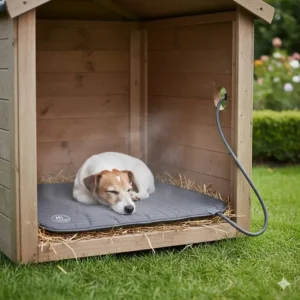
A heated dog bed isn’t merely a luxury purchase; it’s a practical investment in your pet’s comfort and health. Whether you’re considering an electric dog bed with thermostat for precise temperature control or a safe heated dog bed for senior dogs with arthritis, understanding the options available can transform those brutal winter months into a period of soothing warmth and relief.
The UK’s damp, cold climate poses particular challenges for our canine friends. According to PDSA guidance on arthritis management, keeping arthritic joints warm and providing proper support during rest significantly improves quality of life. During 2026’s unpredictable British weather – where January mornings can dip below freezing whilst afternoons hover around 5°C – maintaining consistent warmth becomes crucial for dogs with mobility issues, thin coats, or advancing years.
This comprehensive guide examines seven exceptional heated dog beds available in the UK, exploring everything from heated dog bed running costs to temperature-controlled comfort features. We’ll help you navigate the marketplace with confidence, ensuring your faithful companion enjoys winter warmth solutions that genuinely work.
Quick Comparison Table
| Product | Type | Price (£) | Wattage | Best For | Rating |
|---|---|---|---|---|---|
| K&H Thermo-Snuggly Sleeper | Electric | £45-£65 | 6W | Small-medium dogs | 4.5/5 |
| Scruffs Thermal Self-Heating | Self-warming | £25-£35 | 0W | Budget-conscious | 4.4/5 |
| K&H Lectro-Soft Outdoor | Electric | £70-£95 | 60W | Outdoor/kennels | 4.6/5 |
| Petace Self-Heating Pad | Self-warming | £14-£20 | 0W | Cats & small dogs | 4.3/5 |
| K&H Self-Warming Pet Pad | Self-warming | £18-£28 | 0W | Travel/versatile | 4.5/5 |
| Thermal Pet Mat (Generic) | Self-warming | £11-£17 | 0W | Ultra-budget | 4.2/5 |
| Premium Heated Blanket | Electric | £35-£50 | 40-60W | Multiple pets | 4.4/5 |
💬 Just one click – help others make better buying decisions too! 😊
Top 7 Heated Dog Beds: Expert Analysis
1. K&H Thermo-Snuggly Sleeper Heated Dog Bed
When it comes to thermostatically controlled comfort, the K&H Thermo-Snuggly Sleeper stands as a benchmark in the heated pet bed market. This cuddler-style bed wraps your dog in gentle warmth whilst providing supportive foam walls for additional security.
Key Specifications:
- Thermostatically controlled 6-watt heater
- Available in medium (51cm x 66cm) and large (61cm x 79cm)
- MET Labs safety certified
Price Range: £45-£65 (varies by size)
The beauty of this heated dog bed lies in its intelligent design. The heating element only warms to your dog’s normal body temperature (approximately 38-39°C) when they’re actually using it. When unoccupied, it maintains a subtle warmth that dogs can sense but won’t waste electricity heating an empty bed.
UK buyers particularly appreciate the included plug adaptor, making installation straightforward without additional purchases. The removable cover and pillow are machine washable – essential for maintaining hygiene throughout winter months when muddy paws track indoor.
✅ Pros:
- Extremely low energy consumption (6W)
- Automatic temperature regulation
- Machine washable components
❌ Cons:
- Higher initial investment
- Foam walls may flatten over time
Customer Feedback: British customers consistently praise the bed’s ability to soothe arthritic joints. One Glasgow owner reported their 12-year-old Border Collie “finally sleeps through the night without whimpering” after introducing this bed.
2. Scruffs Thermal Self-Heating Pet Mat
For those seeking winter warmth solutions without electricity consumption, the Scruffs Thermal Self-Heating Pet Mat delivers exceptional value. This British brand understands our climate’s unique demands, creating a product that reflects body heat back to your pet through a cleverly designed reflective foil layer.
Key Specifications:
- Four-layer construction with reflective foil
- Five size options (XS: 60x45cm to XL: 120x75cm)
- Non-slip base for safety
Price Range: £25-£35 depending on size
The engineering here is remarkably simple yet effective. A foam layer backed with reflective foil sits sandwiched between quilted polyester fibres and a super-soft fleece cover. This configuration traps warm air around your dog whilst reflecting their natural body heat, creating a microclimate that’s considerably warmer than ambient room temperature.
One significant advantage over electric alternatives: no running costs whatsoever. For pensioners on fixed incomes or environmentally conscious pet owners, this represents perfect harmony between comfort and economy. The mat works splendidly placed inside existing beds, on cold tile floors, or even in cars during winter journeys.
✅ Pros:
- Zero electricity costs
- Machine washable throughout
- Versatile placement options
❌ Cons:
- Depends on pet’s body heat (less effective for very small dogs)
- No active heating in extremely cold conditions
Customer Feedback: A Norfolk owner notes their elderly Whippet “gravitates towards this mat even when other beds are available,” testament to its genuine warming properties.
3. K&H Lectro-Soft Outdoor Heated Dog Bed
Working dogs, kennel residents, and outdoor cats need robust protection against Britain’s harsh winter elements. The K&H Lectro-Soft Outdoor Heated Bed answers this call with a waterproof PVC exterior and powerful 60-watt heating capacity designed for sub-zero conditions.
Key Specifications:
- 60-watt thermostatically controlled pad
- Steel-wrapped chew-resistant cord
- Waterproof PVC exterior
Price Range: £70-£95 with free fleece cover
This represents the original outdoor heated bed design that’s been trusted by breeders, veterinary clinics, and working dog handlers for over four decades. The steel-wrapped cord deters chewing – crucial for outdoor settings where supervision isn’t constant. The PVC exterior won’t absorb water like fabric alternatives, preventing that miserable damp-dog-bed scenario common with traditional bedding.
The 60-watt heating element delivers substantially more warmth than indoor models, maintaining comfortable temperatures even when outdoor thermostats read freezing. For shepherds, farmers, or owners of outdoor working breeds, this investment pays dividends in animal comfort and health preservation.
✅ Pros:
- Withstands freezing temperatures
- Chew-resistant construction
- Proven 40-year track record
❌ Cons:
- Higher electricity consumption (60W)
- Premium price point
- Heavier than indoor alternatives
Customer Feedback: A Welsh sheepdog owner describes it as “absolutely essential for our working collies’ winter kennel comfort.”
4. Petace Self-Heating Pad
Budget-friendly doesn’t mean ineffective. The Petace Self-Heating Pad proves that thermal technology can be accessible to every pet owner, delivering heat-reflective performance at remarkably affordable prices.
Key Specifications:
- Heat-reflecting middle layer
- Two sizes: M (60x45cm) and L (75x50cm)
- Removable zippered cover
Price Range: £14-£20
This pad employs similar reflective technology to premium self-warming beds but strips away non-essential features to reduce costs. The three-layer construction includes washable PV fleece atop, a heat-reflecting middle layer, and a non-slip rubber base below. Perfect for placement inside existing beds, crates, or carriers.
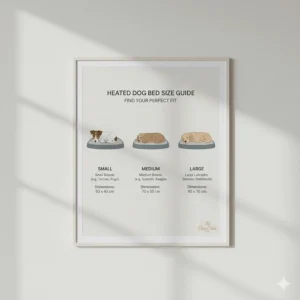
Size M suits pets up to 10kg (ideal for Jack Russells, most cats, small terriers), whilst size L accommodates animals up to 15kg (Cocker Spaniels, Beagles, medium crossbreeds). The non-slip base prevents migration across wood or tile flooring – a common frustration with cheaper alternatives.
✅ Pros:
- Exceptional value for money
- Portable and lightweight
- Machine washable cover
❌ Cons:
- Basic construction
- Thinner padding than premium options
- May compress with heavy use
Customer Feedback: Amazon UK reviews frequently mention this as an “excellent starter option” for testing whether your pet enjoys heated surfaces before investing in pricier electric models.
5. K&H Self-Warming Pet Pad
The K&H Self-Warming Pet Pad represents the American brand’s non-electric offering, bringing their renowned quality standards to the self-heating category. This reversible pad suits multiple applications – furniture protection, travel comfort, or standalone warmth.
Key Specifications:
- Plush self-warming material both sides
- Measures 53cm x 43cm
- Captures and radiates body heat
Price Range: £18-£28
K&H’s engineering expertise shines through even in their electricity-free products. The unique plush material actively captures your pet’s body heat rather than merely reflecting it, creating a noticeably warmer surface than basic thermal mats. Both sides feature this technology, allowing you to flip it for freshness between washes.
The compact size makes this ideal for smaller spaces – windowsills, office chairs, car seats – anywhere your pet likes to rest. It’s particularly popular among cat owners and small dog enthusiasts who need portable warmth that travels easily.
✅ Pros:
- Reversible design extends freshness
- Lightweight portability
- K&H quality assurance
❌ Cons:
- Single size option
- Limited padding depth
- Higher price than generic alternatives
Customer Feedback: British customers appreciate the “proper quality feel compared to cheaper imports” and note it “actually stays put on sofas unlike slippery alternatives.”
6. Thermal Pet Mat (Generic Budget Option)
Sometimes simplicity suffices. Generic thermal pet mats available across Amazon.co.uk and high-street retailers provide basic heat reflection at prices that won’t strain household budgets.
Key Specifications:
- Four-layer reflective construction
- Various sizes typically available
- Basic non-slip backing
Price Range: £11-£17
These products typically mirror the design philosophy of branded alternatives – reflective foil layer sandwiched between insulating materials – but without premium brand pricing or extensive quality control. They work adequately for mild UK winters or supplementary warmth rather than primary heating solutions.
Quality varies significantly between suppliers, so scrutinise reviews carefully before purchasing. Look for mentions of the mat maintaining its shape after washing, the non-slip backing actually preventing movement, and the reflective layer remaining intact after several months’ use.
✅ Pros:
- Rock-bottom pricing
- Widely available
- No electricity costs
❌ Cons:
- Inconsistent quality
- May flatten quickly
- Limited manufacturer support
Customer Feedback: Reviews range dramatically. Best suited for “trying out heated surfaces without commitment” according to a Birmingham buyer, or providing basic warmth for pets who don’t suffer significant joint issues.
7. Premium Electric Heated Blanket for Pets
Full-sized heated blankets designed for pet use offer versatility that traditional beds can’t match. Place them inside existing beds, drape over furniture, or create custom warming zones anywhere your pets congregate.
Key Specifications:
- 40-60 watt heating elements (model dependent)
- Multiple heat settings
- Typically 75cm x 90cm or larger
Price Range: £35-£50
These blankets borrow technology from human heated throws whilst incorporating pet-friendly features like chew-resistant wiring and waterproof backing. The advantage lies in adaptability – move them between rooms, take to relatives’ homes during visits, or create multiple warm spots for multi-pet households.
Most models feature adjustable heat settings allowing customisation based on weather severity and individual pet preferences. Timers and auto-shutoff functions add safety layers, preventing overheating even if you forget to manually switch off.
✅ Pros:
- Versatile placement options
- Multiple heat settings
- Works for various pet sizes
❌ Cons:
- Higher electricity consumption
- Requires more storage space
- May be bunched up by active pets
Customer Feedback: “Perfect for our three-dog household,” reports a Yorkshire owner. “We move it to wherever they’re settling that day.”
✨ Don’t Miss These Exclusive Deals!
🔍 Take your dog’s winter comfort to the next level with these carefully selected products. Click on any highlighted item to check current pricing and availability on Amazon.co.uk. These heated beds will help you create authentic warmth and relief your faithful companion will love!
Understanding Heated Dog Bed Technology
Electric vs Self-Warming: Which Suits Your Needs?
The fundamental decision when selecting a heated dog bed involves choosing between active electric heating and passive self-warming technology. Each approach delivers distinct advantages depending on your circumstances, budget, and pet’s specific requirements.
Electric dog bed with thermostat models generate warmth through low-wattage heating elements, typically consuming between 4-60 watts depending on size and intended use. These beds actively warm their surface to predetermined temperatures – usually around your dog’s normal body temperature of 38-39°C. Thermostat controls prevent overheating by cycling the element on and off as needed.
The primary benefits include consistent warmth regardless of ambient temperature, rapid heating (most warm within 5-10 minutes), and reliable performance even in unheated spaces. However, they require electrical access, add small amounts to your energy bills, and introduce potential safety considerations around cables and moisture.
Self-warming beds employ reflective materials – typically metallic foil layers – that bounce your dog’s natural body heat back towards them. Think of it as wearing a space blanket; your pet’s warmth isn’t lost to the surrounding environment but recirculated within the bed’s construction. These require zero electricity, present no overheating risks, and cost nothing to operate.
The trade-off manifests in their dependence on your dog’s ability to generate warmth. Very small breeds, elderly dogs with poor circulation, or extremely cold environments may find self-warming beds insufficient. They work brilliantly as supplementary warmth in moderately heated homes or for healthy adult dogs seeking extra cosiness.
Safety Considerations for UK Households
British homes present unique electrical safety considerations. All heated pet products sold in the UK should carry UKCA (UK Conformity Assessed) or CE (Conformité Européenne) markings, indicating compliance with safety standards. K&H products, for instance, undergo rigorous MET Labs testing, exceeding standard safety requirements.
Always dry your dog after wet walks, and never leave your dog alone with a hot water bottle, advises PDSA. Similar caution applies to heated beds – whilst modern units incorporate multiple safety features, common-sense precautions remain essential.
Safety Checklist:
- Inspect cables regularly for chewing damage or fraying
- Ensure beds have thermostat controls preventing overheating
- Use GFCI (ground fault circuit interrupter) outlets in potentially damp areas
- Position beds away from water bowls and damp zones
- Follow manufacturer washing instructions precisely
- Replace beds showing any electrical anomalies immediately
For outdoor installations, products must explicitly state weatherproof/outdoor rating. Standard indoor heated beds lack the necessary water resistance and could create dangerous electrical hazards if exposed to rain or snow.
Heated Dog Bed Running Costs: The Real Numbers
Electricity Consumption Breakdown
One question dominates potential buyers’ minds: “Will this heating appliance devastate my already strained energy bills?” Let’s examine actual costs using January 2026 electricity rates.
The Ofgem January 2026 price cap sets typical rates at 27.69p per kilowatt hour. Using this figure, we can calculate precise running costs for different wattage heated dog beds.
Low-Wattage Beds (4-6 watts):
- Hourly cost: 0.006 kW × £0.2769 = £0.0017 (less than 0.2p)
- 8 hours nightly: £0.0136 (approximately 1.4p)
- Monthly cost (31 days): £0.42
- Annual cost: £5.04
Medium-Wattage Beds (20-40 watts):
- Hourly cost: 0.030 kW × £0.2769 = £0.0083 (approximately 0.8p)
- 8 hours nightly: £0.0664 (approximately 6.6p)
- Monthly cost (31 days): £2.06
- Annual cost: £24.72
High-Wattage Outdoor Beds (60 watts):
- Hourly cost: 0.060 kW × £0.2769 = £0.0166 (approximately 1.7p)
- 8 hours nightly: £0.1328 (approximately 13.3p)
- Monthly cost (31 days): £4.12
- Annual cost: £49.44
These calculations assume continuous operation, but modern thermostat-controlled beds cycle on and off, typically reducing actual consumption by 30-50%. A 6-watt bed might actually cost £2.50-£3.50 annually in real-world use – less than a single coffee shop visit.
Comparative Running Costs
Context matters when evaluating these figures. Consider alternative heating methods:
Central heating (24kW gas boiler):
- Hourly cost: approximately £1.42
- Heating one room for 8 hours: £11.36
Electric space heater (1500W):
- Hourly cost: £0.42
- 8 hours operation: £3.36
Electric heated throw (100W):
- Hourly cost: £0.028
- 8 hours: £0.22
Suddenly, that 6-watt heated dog bed costing 1.4p per eight-hour period seems remarkably economical. You’re providing targeted warmth exactly where your pet rests, not heating empty cubic metres of air throughout entire rooms.
Energy Efficient Heated Dog Bed Selection
Maximising Efficiency Without Sacrificing Comfort
Selecting an energy efficient heated dog bed involves balancing several factors beyond simple wattage numbers. The most economical choice depends on your specific circumstances and usage patterns.
For mild UK winters (7-12°C indoor temperatures): Self-warming beds often suffice entirely, delivering zero electricity consumption whilst providing adequate warmth enhancement. Your dog’s body heat combined with decent home insulation creates comfortable sleeping conditions without active heating elements.
For moderate cold (3-7°C indoor temperatures): Low-wattage electric beds (4-6 watts) offer the sweet spot between comfort and economy. These barely register on energy bills whilst providing gentle, consistent warmth that soothes achy joints and encourages restful sleep.
For severe cold or outdoor use: Higher wattage becomes necessary, but even 60-watt beds remain extraordinarily economical compared to space heating alternatives. The targeted nature of heat delivery – warming the sleeping surface rather than surrounding air – maintains excellent energy efficiency.
Smart Usage Strategies
Several techniques maximise heating efficiency regardless of which bed you’ve selected:
Placement Optimisation: Position beds away from draughty doorways, single-glazed windows, and exterior walls. Placing them in naturally warmer corners or alcoves reduces the heating burden, allowing even self-warming beds to perform more effectively.
Supplementary Insulation: Raising beds slightly off cold floors (using foam pads or wooden pallets) creates an air gap that dramatically improves thermal retention. This simple trick can reduce electricity consumption by 20-30% in slab-floored homes.
Timing Strategies: For electric models, consider pre-warming beds 30-60 minutes before your dog typically settles for the night, then reducing to lower settings or switching off entirely. Residual warmth often suffices for several hours, cutting consumption substantially.
Layering Approach: Combine self-warming mats with electric beds during the coldest weeks, allowing the reflective mat to amplify the electric element’s output. This can permit running electric beds at lower settings whilst maintaining equivalent warmth.
Safe Heated Dog Bed for Senior Dogs
Addressing Arthritis and Joint Pain
Winter represents particularly challenging months for dogs suffering arthritic conditions. Cold, damp British weather exacerbates joint stiffness and discomfort, making comfortable rest crucial for quality of life maintenance.
Heat soothes painful joints, and PDSA recommends heat pads under your dog’s bed to provide extra comfort, especially on cold days. The therapeutic benefits extend beyond mere cosiness; warmth actively improves mobility, reduces inflammation, and enhances circulation around affected joints.
Arthritis-Specific Features to Seek:
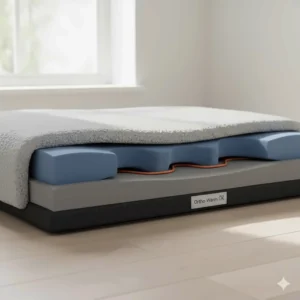
- Memory foam base: Distributes pressure evenly rather than concentrating on bony prominences
- Bolstered edges: Helps arthritic dogs lever themselves upright when rising
- Low entry height: Eliminates challenging climbing when joints are stiff
- Washable covers: Incontinence issues sometimes accompany severe arthritis
- Consistent low-level warmth: Avoids temperature fluctuations that can trigger pain spikes
Temperature-Controlled Comfort: Thermostatically controlled beds prove particularly valuable for arthritic seniors. These maintain stable warmth without risk of overheating – important because arthritic dogs may struggle to reposition themselves if they become uncomfortably hot. Look for beds that warm to approximately 38°C, matching canine body temperature rather than exceeding it.
Special Considerations for Elderly Dogs
Senior dogs present unique requirements beyond arthritis management. Their ability to thermoregulate diminishes with age, making them more susceptible to both hypothermia and overheating compared to younger, healthier animals.
Elderly dogs with compromised cognition (canine cognitive dysfunction, similar to dementia) may not recognise when they’re too warm and need to move. For these pets, self-warming beds often prove safer than high-wattage electric alternatives, as they’re physically incapable of overheating.
Incontinence concerns increase with age. Selecting beds with completely removable, machine-washable covers becomes non-negotiable. Some owners maintain two covers, allowing one to always be clean and ready whilst the other cycles through washing.
Temperature-Controlled Comfort: Advanced Features
Smart Thermostats and Auto-Shutoff
Modern heated dog beds incorporate increasingly sophisticated control systems. Basic models simply switch on when plugged in and run continuously until manually disconnected. Mid-range options add manual heat settings (low/medium/high). Premium units feature intelligent thermostatic control and programmable timers.
Thermostat Benefits: These sensors detect surface temperature and cycle heating elements accordingly. When the bed reaches target warmth, power cuts off automatically. As temperature drops, heating resumes. This cycling dramatically reduces electricity consumption compared to constant-on systems.
More importantly, thermostats prevent dangerous overheating scenarios. Even if your dog burrows under blankets or the bed malfunctions internally, temperature sensors limit maximum heat output, providing crucial safety margins.
Timer Functions: Programmable timers allow scheduling heating cycles around your dog’s routines. Set the bed to warm during evening rest periods but switch off during daytime hours when your pet actively patrols the garden. Some models offer multiple daily programmes, accommodating complex schedules.
Weight-Activated Heating
Certain premium models incorporate weight sensors that activate heating only when your dog occupies the bed. This clever technology eliminates energy waste heating empty beds, potentially cutting consumption by 60-80% compared to always-on alternatives.
The K&H Thermo-Snuggly Sleeper employs this technology brilliantly. The bed maintains subtle ambient warmth (barely detectable to human touch) when unoccupied, then ramps to full operating temperature once your dog settles. Within 5-10 minutes, the surface warms to therapeutic levels, yet switches back to standby mode minutes after your pet departs.
Winter Warmth Solutions Beyond Traditional Beds
Heated Mats and Blankets
Not every dog appreciates enclosed bed structures. Some prefer stretching across open floor spaces or claim specific furniture locations as their territory. For these independent spirits, heated mats and blankets provide flexible warmth that accommodates their preferences.
Portable Heat Pads: These flat, thin units slip beneath existing beds, cushions, or furniture covers. They’re virtually invisible yet deliver the same warming benefits as complete bed systems. Perfect for multi-pet households where territorial disputes complicate traditional bed placement.
Heated Throws: Larger heated blankets work wonderfully for furniture-dwelling dogs. Drape them across sofas or armchairs where your pet habitually rests. Most feature waterproof backing protecting upholstery from accidents whilst the heated surface keeps your dog toasty.
Travel Solutions: Compact self-warming pads designed for travel ensure your dog maintains comfortable temperatures during car journeys, hotel stays, or visits to relatives. These typically measure 45cm x 60cm, fitting easily into luggage whilst providing familiar warmth in unfamiliar locations.
Complementary Warmth Strategies
Heated beds work best as part of comprehensive winter care routines:
Insulated Dog Coats: British Veterinary Association research indicates certain breeds benefit enormously from quality winter coats during outdoor excursions. Greyhounds, Whippets, Chihuahuas, and other thin-coated breeds lack natural insulation against British dampness. The RSPCA notes that dogs with short coats are more susceptible to cold weather effects. Post-walk, remove wet coats immediately to prevent trapped moisture chilling your dog.
Raised Feeding Stations: Arthritic dogs find elevated food bowls significantly easier to access. This reduces joint strain during meals, complementing the comfort your heated bed provides during rest periods.
Anti-Slip Flooring: Use rugs, carpets, or anti-slip mats to make floors less slippy, as dogs with arthritis have weak muscles and are prone to slipping. Preventing falls protects already vulnerable joints from additional injury.
Comparison Table: Heated vs Self-Warming Beds
| Feature | Electric Heated | Self-Warming |
|---|---|---|
| Electricity Cost | £0.42-£49/year | £0 |
| Warming Speed | 5-10 minutes | 15-30 minutes |
| Ambient Temperature Dependency | Low | High |
| Maintenance | Regular cable inspection | None |
| Portability | Requires power outlet | Completely portable |
| Senior Dog Suitability | Excellent (consistent heat) | Good (safer overheating-wise) |
| Outdoor Use | Requires rated product | Limited effectiveness |
| Initial Cost | £35-£95 | £11-£35 |
Electric Dog Bed with Thermostat: Premium Options
What Thermostatic Control Actually Means
The term “thermostat” appears frequently in heated bed marketing, yet not all thermostats function identically. Understanding differences helps select products offering genuine value rather than just impressive-sounding features.
Simple Thermostats: Basic models use bimetallic strips that physically disconnect circuits once reaching specific temperatures. These work reliably but offer no user adjustment – the manufacturer sets target temperature permanently during production.
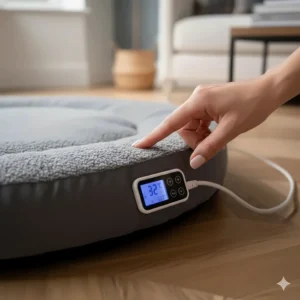
Adjustable Thermostats: Mid-range products incorporate dial controls allowing temperature selection across ranges, typically 30-40°C. This accommodates individual preferences and seasonal variations – warmer settings for January’s depths, cooler settings during transitional autumn/spring periods.
Electronic Thermostats: Premium units employ digital sensors and microprocessor controls for precise temperature management. These typically maintain temperatures within ±1°C of target settings, eliminate temperature overshoot common with mechanical systems, and often include LED displays showing current operational status.
UK-Specific Electrical Standards
British electrical systems operate at 230V AC, 50Hz – different from North American standards. When purchasing heated beds, especially from international sellers, verify UK compatibility explicitly. Products designed for 120V systems risk damage or fire hazards if connected to British mains without proper transformers.
Look for products carrying:
- UKCA marking (UK Conformity Assessed) – post-Brexit requirement for Great Britain
- CE marking (Conformité Européenne) – still valid and widely used
- BS (British Standard) compliance – specifically BS EN 60335-2-71 for pet warming equipment
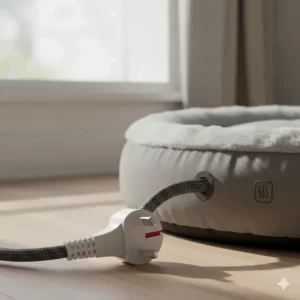
Reputable manufacturers include UK-compatible plugs with their products or clearly indicate adaptor requirements. K&H beds sold through British retailers typically include Type G plugs (three rectangular prongs) eliminating adaptor hassles.
Maximising Value: Price vs Performance Analysis
| Price Range | Expected Features | Best For | Longevity |
|---|---|---|---|
| £11-£20 | Basic self-warming | Testing concept | 6-12 months |
| £21-£35 | Quality self-warming | Budget-conscious | 2-3 years |
| £36-£50 | Entry-level electric | Year-round use | 3-5 years |
| £51-£75 | Premium electric | Senior dogs | 5-7 years |
| £76+ | Specialist outdoor | Extreme conditions | 7-10 years |
Frequently Asked Questions
❓ How much does a heated dog bed cost to run in the UK?
❓ Are heated dog beds safe for senior dogs with arthritis?
❓ Do self-warming dog beds actually work in UK winters?
❓ What's the difference between indoor and outdoor heated dog beds?
❓ Can heated dog beds help with winter joint pain?
Conclusion: Choosing Your Perfect Heated Dog Bed
Navigating the heated dog bed marketplace needn’t overwhelm you. Start by honestly assessing three key factors: your budget limitations, your dog’s specific needs (age, health status, size), and your home environment (indoor temperatures, electrical access, available space).
For most British dog owners with elderly or arthritic pets living in reasonably heated homes, a mid-range self-warming mat (£25-£35) or entry-level electric bed (£40-£55) delivers outstanding value. These products provide genuine therapeutic benefits whilst remaining economically sensible even on tight budgets.
Those managing working dogs, outdoor cats, or kennel operations should invest in purpose-built outdoor heated beds (£70-£95). The premium pays dividends through years of reliable service in harsh conditions where cheaper alternatives simply fail.
Remember that a heated dog bed represents just one component of comprehensive winter care. Combine it with appropriate outdoor clothing, joint supplements if recommended by your veterinarian, regular gentle exercise to maintain mobility, and attentive monitoring for signs your pet’s discomfort exceeds what home care can address.
The ultimate measure of success isn’t technical specifications or running costs – it’s whether your faithful companion rests more peacefully, moves more comfortably, and enjoys better quality of life throughout Britain’s challenging winter months. That’s worth every penny invested.
Recommended for You
- Best Dog Bed for Chewers UK 2026
- Best Waterproof Dog Beds UK 2026: Top Picks for Senior Dogs
- Best Calming Dog Bed UK: 7 Expert-Tested Beds (2026)
Disclaimer: This article contains affiliate links. If you purchase products through these links, we may earn a small commission at no additional cost to you. Prices shown are approximate and may vary.
✨ Found this helpful? Share it with your mates! 💬🤗
